Features
Sega’s Edutainment Gamble: Pico Against the Toy Aisle
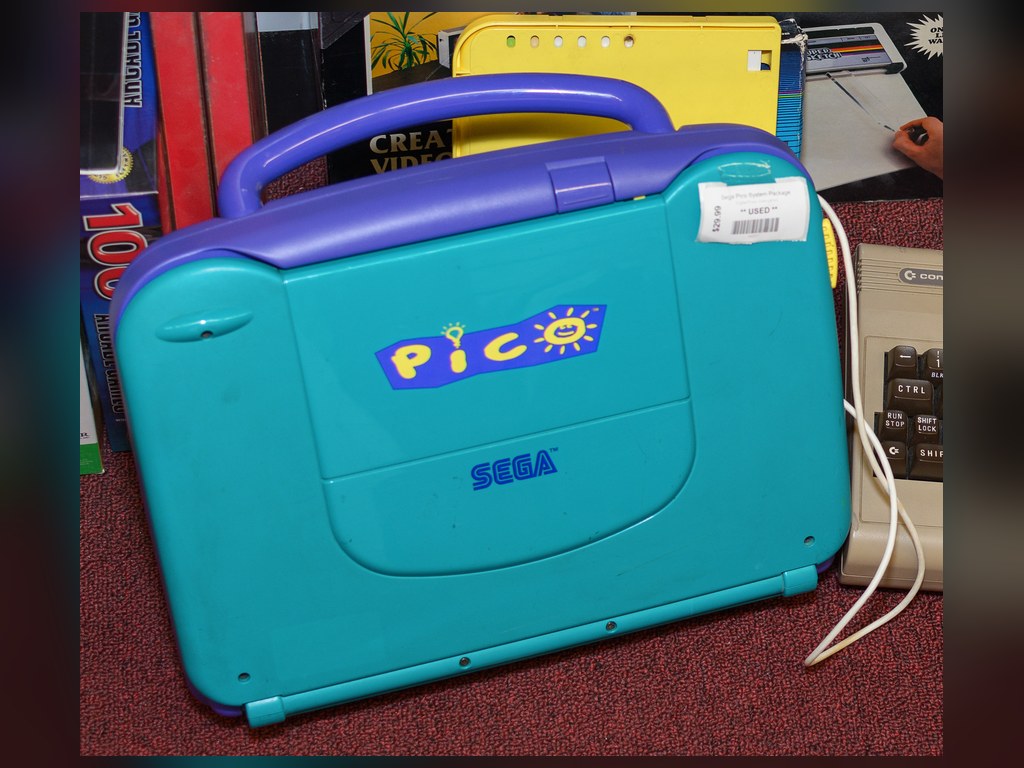
Sega, the company of attitude, built a gentle laptop for three-year-olds and sold it as a computer. Why the toy-aisle gamble made sense, and where it paid off.

From the Vault columnist. Grew up feeding quarters to the Ms. Pac-Man machine at his uncle's pizza place; still owns his childhood SNES and every Nintendo Power he ever begged his mother for. Writes the retrospectives and the hidden-gem hunts.
Sega, the company of attitude, built a gentle laptop for three-year-olds and sold it as a computer. Why the toy-aisle gamble made sense, and where it paid off.
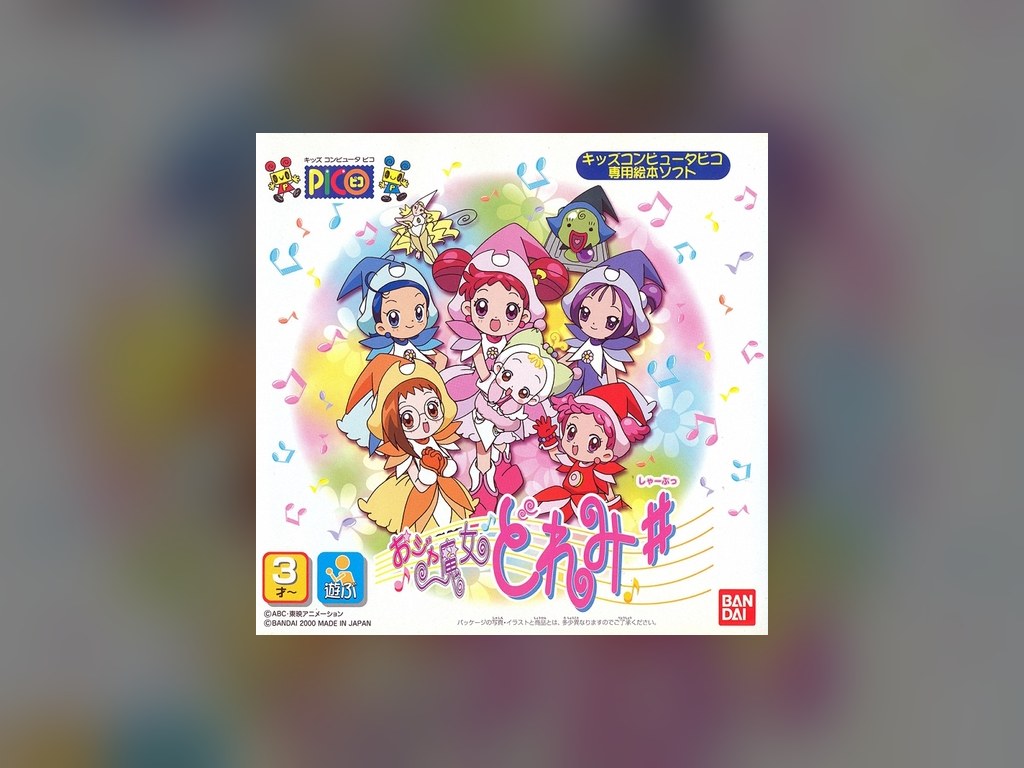
Doremi’s apprentice witches in a slick 2000 Bandai Pico book: proof, in cartridge form, that Japan’s Pico was alive, mature and selling long after America moved on.
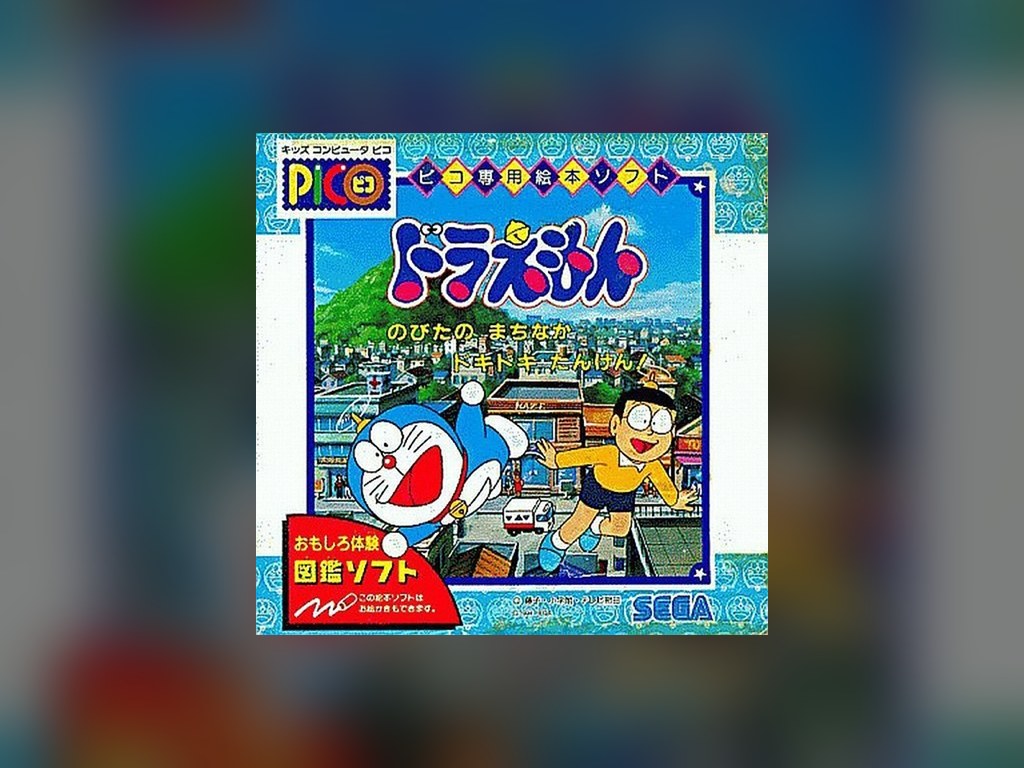
Doraemon and Nobita explore their town in Shogakukan’s 1994 Pico book: everyday-life learning, Japanese to its core, and the clearest clue to why Pico lived twelve years in Japan.

Pepe sets patterns, sequences and memory puzzles with no licence to lean on: the American Pico’s purest thinking-skills book, and a specialist treat.
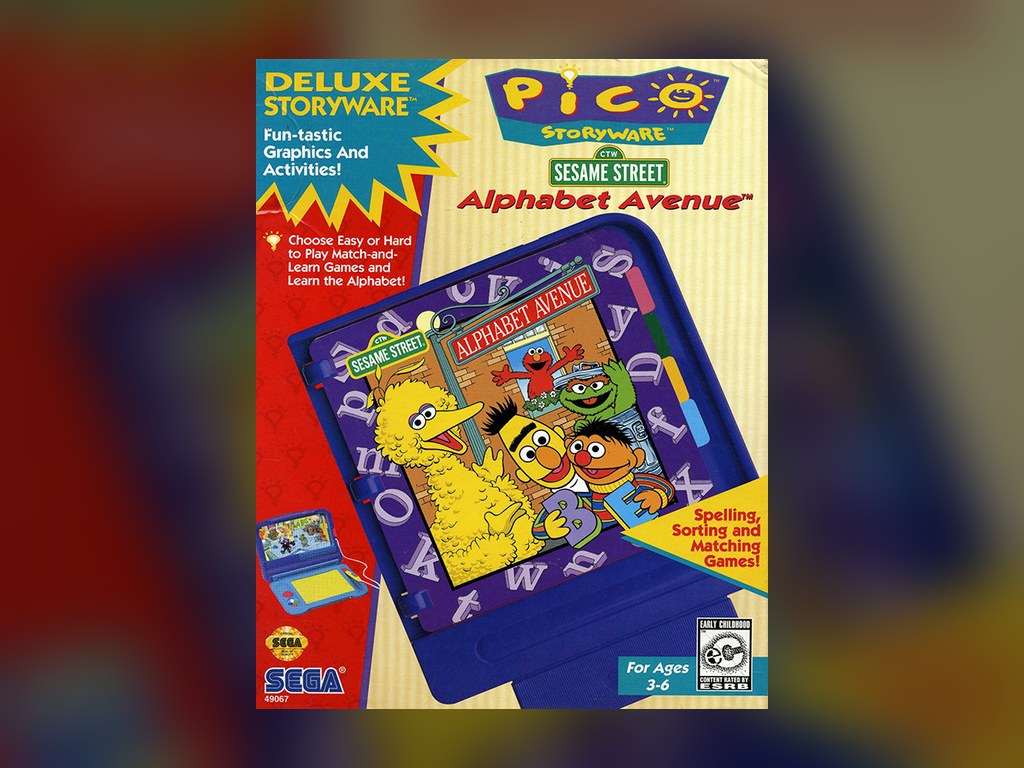
Elmo and Big Bird teach letters, sounds and first words on Alphabet Avenue: a late American Pico release, single-subject and all the better sequenced for it.
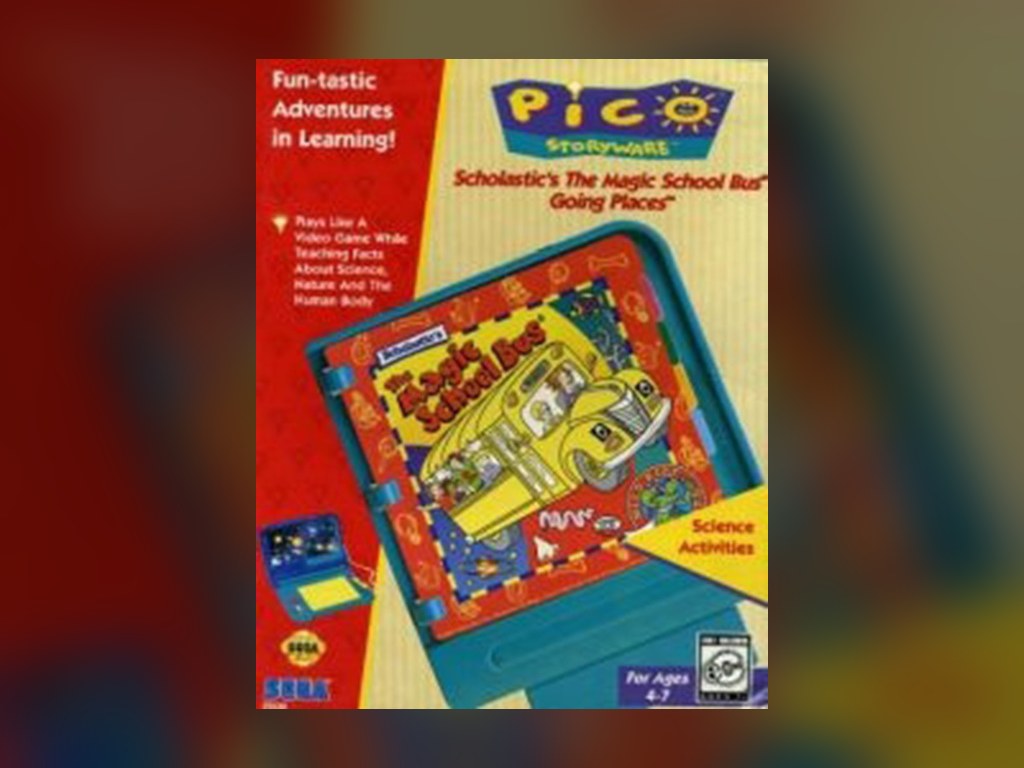
Ms. Frizzle brings the field trip to Pico: environments to explore, things to observe and predict, and the one book a child could grow into as the storybooks grew small.
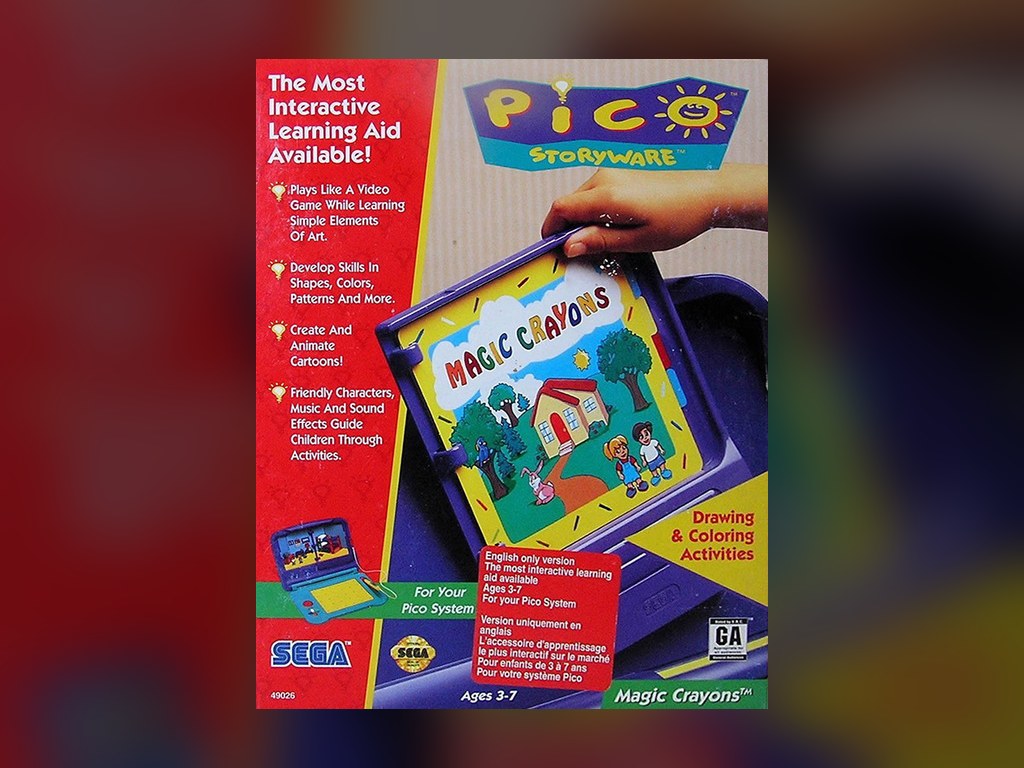
Sega’s own first-wave drawing book: talking crayons, forgiving chunky artwork and pure pen practice — the honest first draft of the idea Crayola would later perfect.
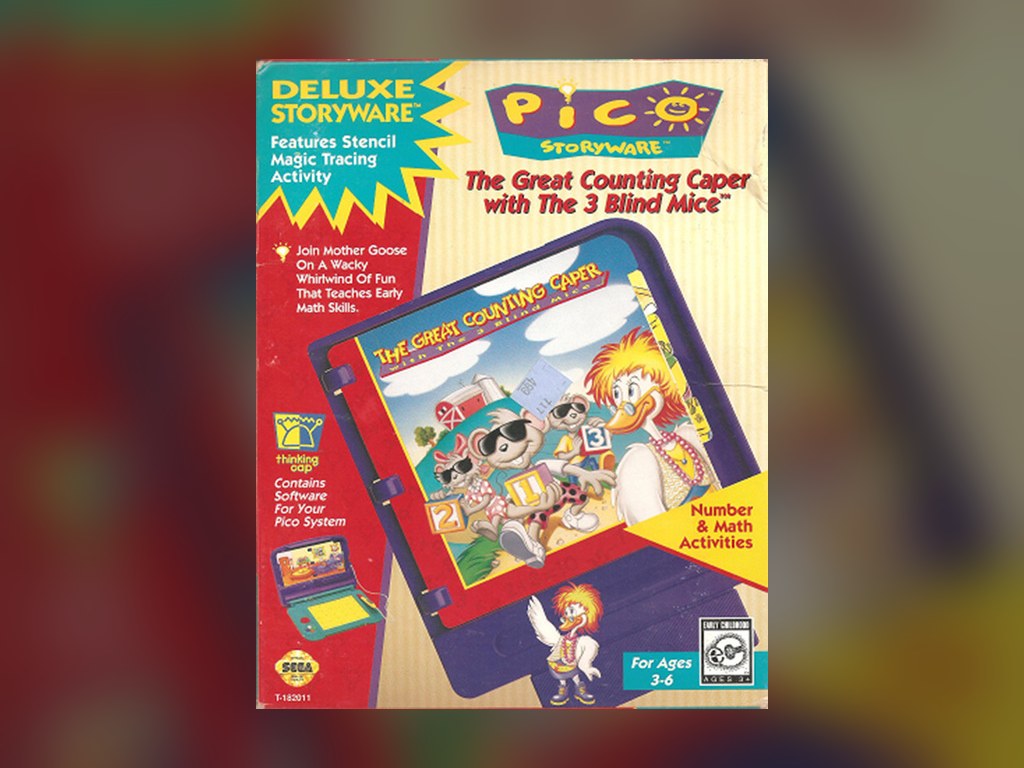
Three Blind Mice and the one maths skill that actually matters at four: tapping each thing once and only once. A narrow, cheerful counting book that teaches its single lesson properly.

Brother and Sister Bear walk through one complete school day so a small child can rehearse it first: routine, readiness and reassurance, and the Pico’s most practical book.

Mickey as tour guide through a friendly long ago: page turns become time jumps, and sequencing and then-and-now thinking are taught without ever being announced.