
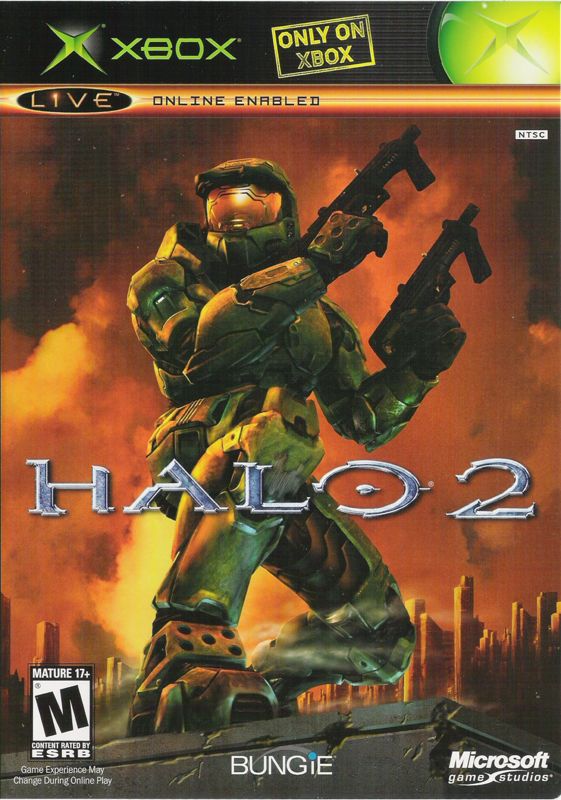
XBOX · FIRST-PERSON SHOOTER · RETROSPECTIVE REVIEW
Developer: Bungie · Publisher: Microsoft Game Studios · Released: November 9, 2004 · Genre: First-person shooter
Twenty-two years ago, Halo 2 didn’t just launch a sequel — it turned a games console into a social network, sold $125 million of itself in a single day, and left a generation of players staring at the words “Finish the Fight” for three very long years.
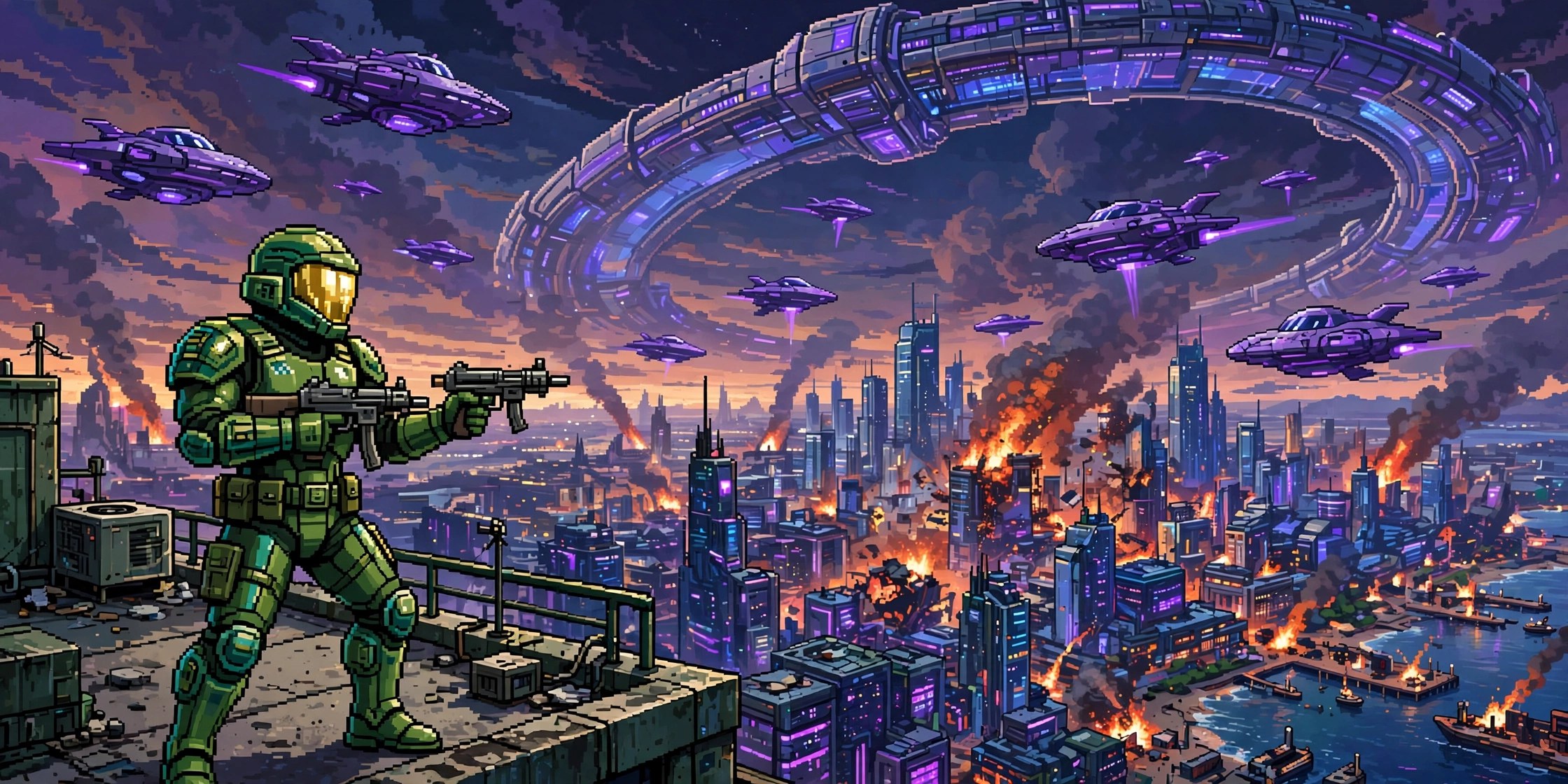
Every era of gaming has a night you can point to and say: that’s when it changed. For the online age, that night was November 8, 2004, and the change happened in the cold, in queues outside game shops on two continents, as something like a million and a half pre-ordered copies of Halo 2 waited for midnight. Halo: Combat Evolved had sold the Xbox — a machine plenty of people had laughed at in 2001. Halo 2 had a harder job. It had to prove the first game wasn’t a fluke, and it had to prove that Microsoft’s strange little online service, Xbox Live, was something more than a novelty for people with ethernet cables in their bedrooms.
It did both before breakfast. Halo 2 sold roughly 2.4 million copies and took $125 million in its first 24 hours in North America — at the time, the biggest opening day in entertainment history, bigger than any film had ever managed. By the end of its run it was the best-selling game on the original Xbox at more than eight million copies, with a Metacritic score of 95 that it has never really stopped deserving. But the sales aren’t the story. The story is what those eight million people found when they plugged in their headsets.
Earth Will Never Be the Same
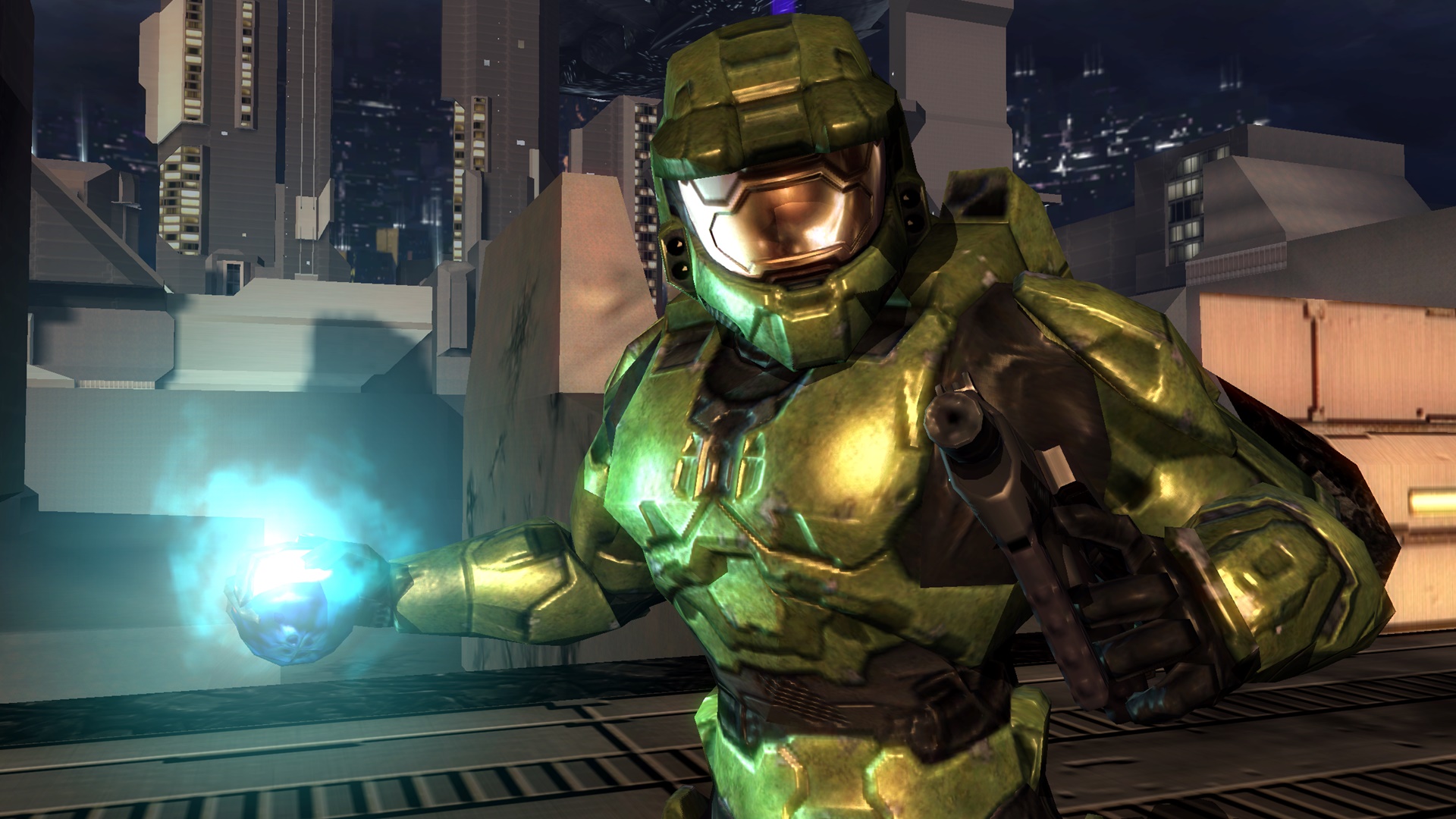
The road to launch was its own kind of theatre. At E3 2003, Bungie showed a nine-minute gameplay demo — Master Chief dropping into a besieged New Mombasa, dual-wielding, jacking a Ghost mid-ride, a city at war around him — and the crowd’s roar became industry legend. Almost none of that demo shipped in the finished game. It had been built to sell a vision, on an engine Bungie later scrapped, and the team spent the rest of development chasing the feeling of a level that never existed.
Then there was I Love Bees: an alternate-reality game that sent players to ringing payphones across America, piecing together the story of a stranded shipboard AI from fragments of audio drama, in the summer before anyone had a word for that kind of marketing. Halo 2 didn’t just have an advertising campaign. It had a fandom before it had a disc, and the fandom showed up at midnight in November, in the cold, in costume, ready.
Two Heroes, One War
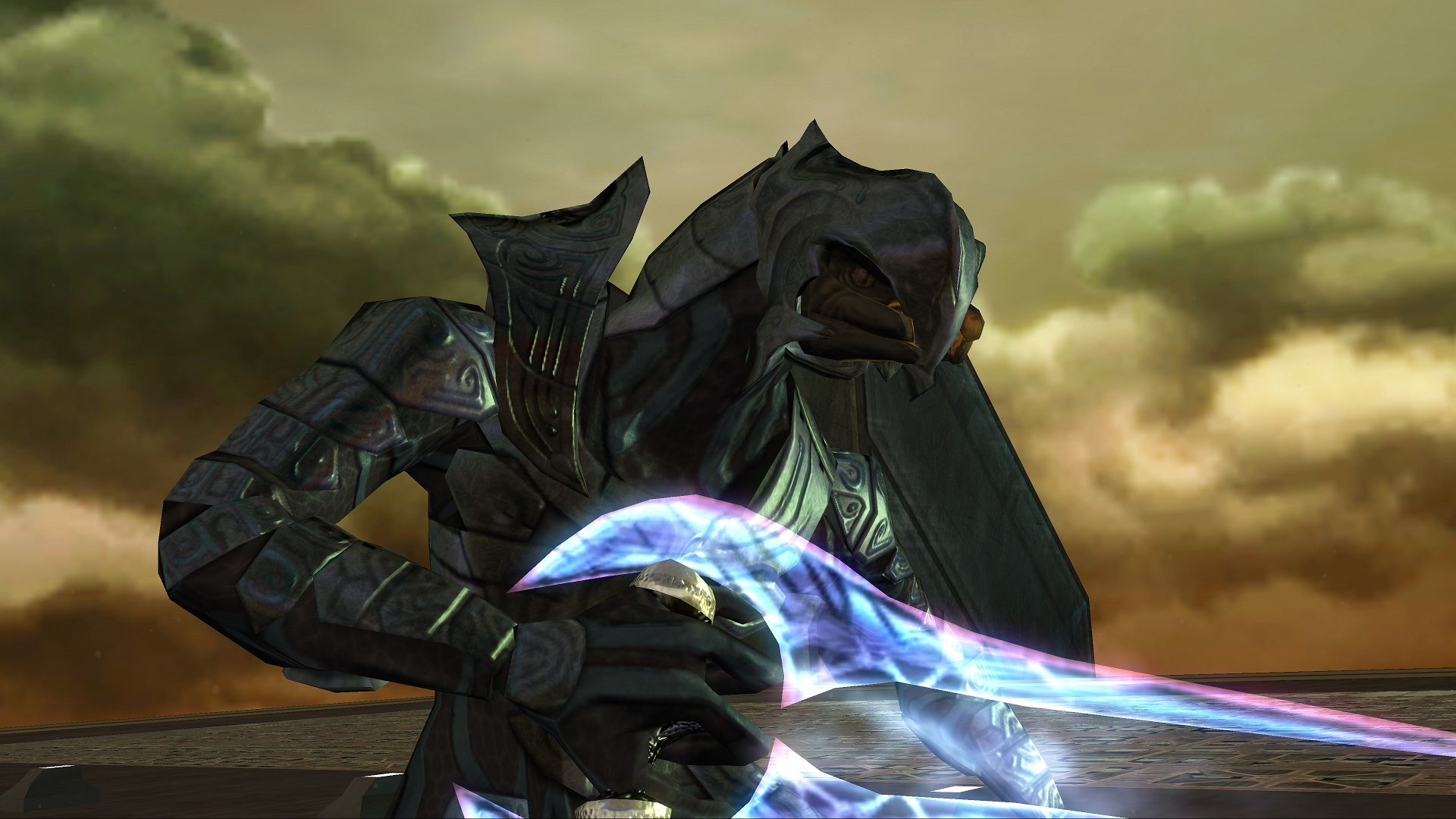
The campaign opens exactly where everyone wanted it: Earth, invaded, the Chief falling out of the sky onto a Covenant boarding craft. And then, a few missions in, Halo 2 does the bravest thing any blockbuster sequel of its era attempted. It hands you the enemy. Thel ‘Vadamee, the disgraced fleet commander blamed for the first Halo ring’s destruction, is branded, shamed, and remade as the Arbiter — the Prophet’s disposable blade. Played with wounded, granite dignity by Keith David, the Arbiter’s missions show the Covenant from inside: a theocracy built on a lie, tearing itself apart as the Great Schism ignites.
Players rioted, a little. They’d bought a Master Chief game and been given homework as an alien. Time has been kind to the gamble, though — the dual narrative is why Halo 2’s story still gets argued about, in a good way, twenty-two years on, while a hundred safer shooters have been forgotten. And then there’s the ending. Or rather, there isn’t. With the Ark revealed and a fleet jumping to Earth, the Chief delivers the coldest line in the series — “Sir. Finishing this fight.” — and the game simply stops. Bungie has since been candid that the finale was a casualty of a brutal development crunch, not a plan. The fury was real. So was the cliffhanger’s power: for three years, “finish the fight” hung over the entire medium.
And through it all, that score. Marty O’Donnell and Michael Salvatori built Halo 2’s sound on the first game’s chanting monks and then blew the doors off: a full orchestra, Steve Vai’s guitar threaded through the Mjolnir Mix, Incubus contributing a four-part progressive suite called “The Odyssey,” and Breaking Benjamin’s “Blow Me Away” detonating inside a mausoleum firefight like a rock concert smuggled into a war. The soundtrack albums were events in themselves — music wasn’t decoration on this production. It was one of the weapons.
“Halo 2 didn’t just sell a console. It taught a generation of players that their friends list was a place — and they’ve lived there ever since.”
The Night Xbox Live Grew Up
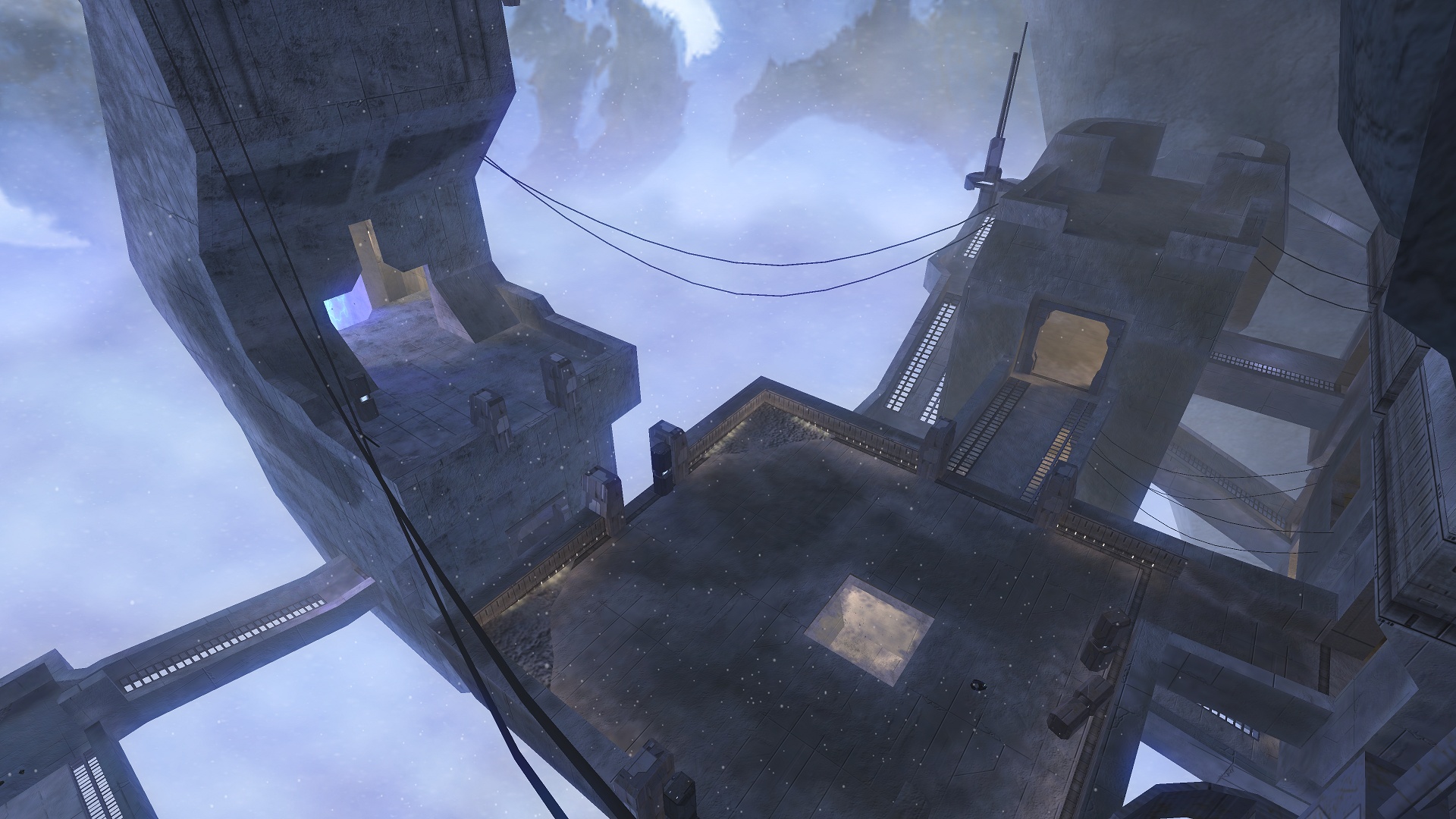
If the campaign was Halo 2’s argument, the multiplayer was its revolution. Before November 2004, console online play meant server lists, lobbies full of strangers, and your friends scattered to whatever match the internet felt like giving you. Bungie’s answer seems obvious now only because everybody copied it: matchmaking playlists that found you a fair game in seconds, a party system that kept your friends together from match to match as a travelling unit, skill ranks that made every game matter, clan support, and a website — Bungie.net — that recorded every kill, every medal, every game, down to heat maps of where you died on Lockout.
Lockout. Say the name to anyone who was there and watch their face. A frozen platform over a bottomless drop, a sniper tower, a sword in the green room, friendships ended over the lift. Or Coagulation, Halo 2’s sweeping remake of Blood Gulch, built for Warthog runs and Banshee dogfights. The maps were the medium’s first true online homes, and the post-game lobby — that crackling voice-chat commons of heroes, villains, and twelve-year-old generals — was modern gaming social life being invented in real time. Halo 2 stayed the most-played game on Xbox Live until Gears of War finally took the crown in November 2006, two full years and a console generation later.
It was also the game that taught consoles what downloadable content was. Bungie supported Halo 2 for years with map packs — Turf, Sanctuary, and eventually a Hang ‘Em High remake in 2007 — at first even sold at retail on a Multiplayer Map Pack disc, because in 2005 nobody could assume a console audience knew how to buy a download. Every season pass, every battle map, every live-service roadmap since walks through the door Halo 2 opened.
The Last Ones Standing
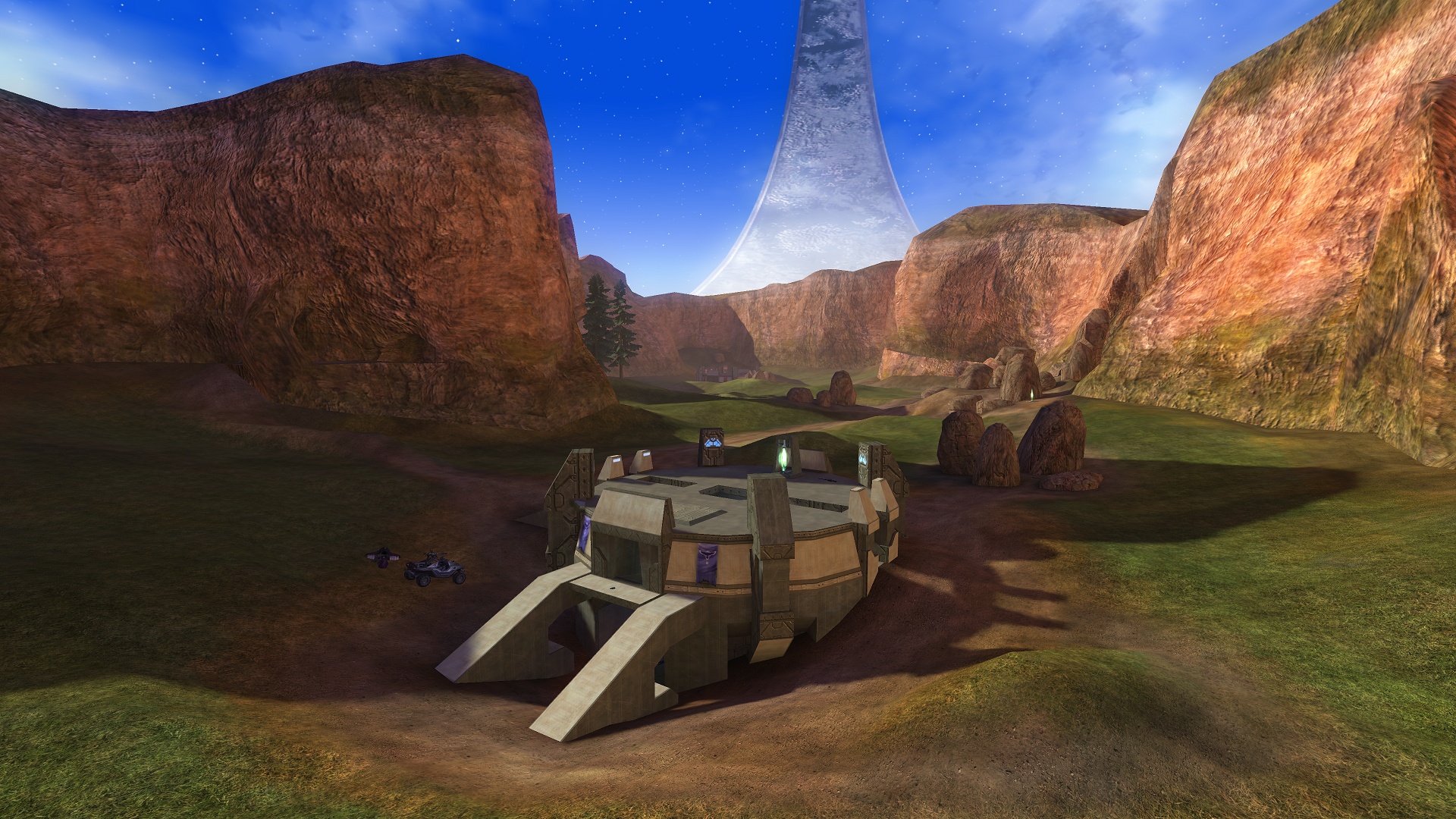
The afterlife has been as dramatic as the launch. A Windows Vista port arrived in 2007. Then, on April 15, 2010, Microsoft switched off Xbox Live for the original Xbox — and Halo 2 refused to die with it. A small band of players kept their consoles connected, refusing to log out, holding the last server’s population together out of pure stubborn love. They dropped off one by one over the following weeks, through crashes and connection failures, until the last of them was finally disconnected in May. It remains the most moving server shutdown in games history, because the players turned it into a vigil.
In 2014, Halo 2: Anniversary rebuilt the campaign for The Master Chief Collection, with Blur Studio’s sumptuous new cutscenes finally letting the Arbiter’s story breathe — though the Collection’s own disastrous online launch proved some Halo 2 traditions were cursed to repeat. Today the game sits healthy on modern Xbox and PC, its matchmaking populated, its campaign co-op’d by people who weren’t born when the rest of us were queuing in the cold.
The Collection did get there in the end: a sweeping 2018 rebuild fixed its matchmaking, and Halo 2: Anniversary became what it always should have been — the best way to play the game, skulls, terminals and all, with the original 2004 graphics one button-press away for the purists. Which, let’s be honest, is all of us.
The Verdict
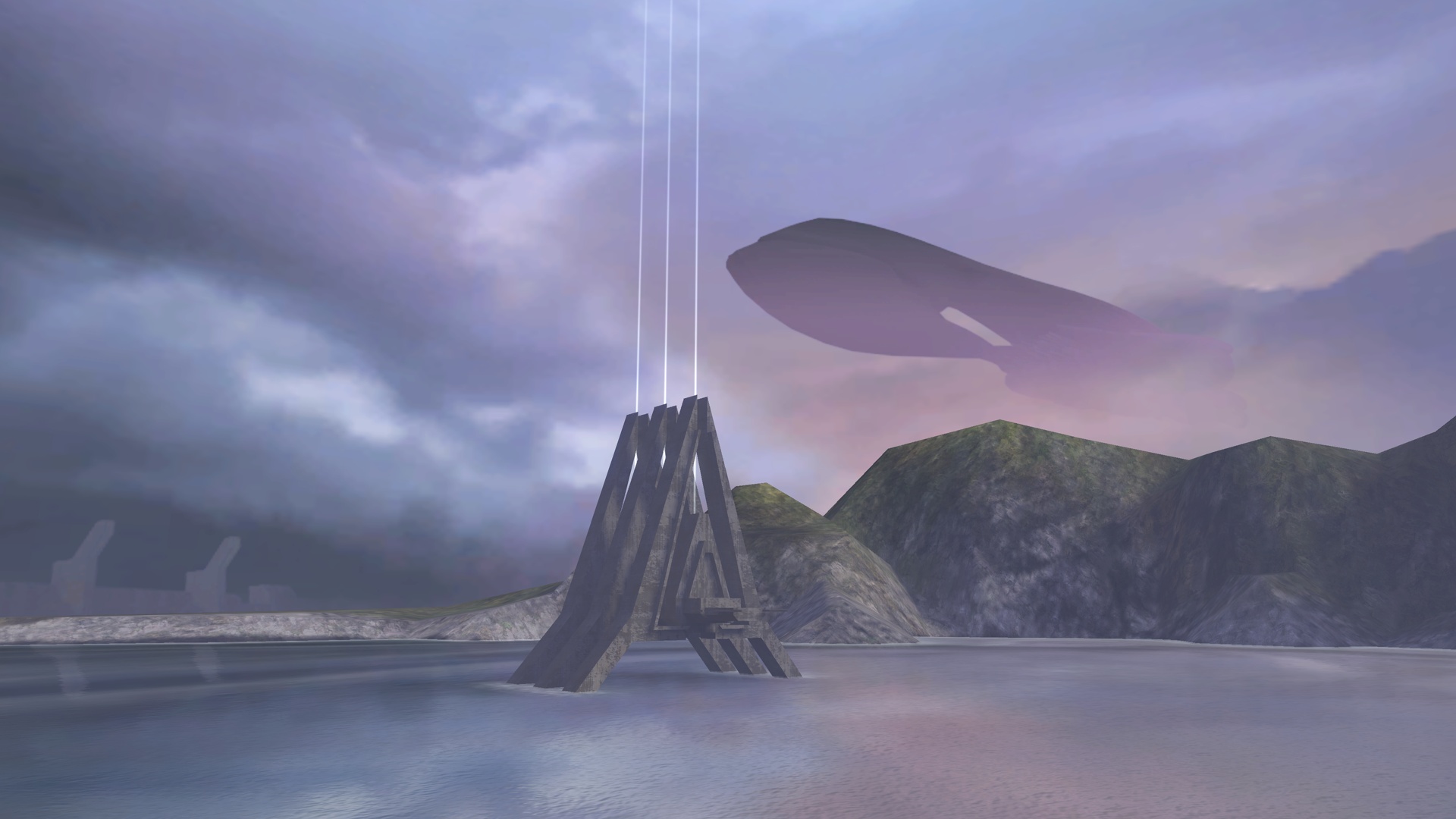
Play it now and the flaws are the ones carved in stone: a campaign that ends mid-sentence, texture pop-in on the original hardware, an Arbiter-to-Chief ratio that still starts arguments. Everything else is bedrock. The dual-wielding chaos, the sandbox gunplay, Marty O’Donnell and Michael Salvatori’s score — chanting monks one minute, Steve Vai’s guitar the next, Breaking Benjamin’s “Blow Me Away” detonating mid-mission — and above all that multiplayer, the blueprint every console shooter since has been built from, whether it admits it or not. Halo 2 at 22 isn’t a museum piece. It’s the load-bearing wall of the modern FPS.
Score: 9.5/10. The most important console shooter ever made — a campaign that ends mid-breath wrapped around the multiplayer that built online gaming.
For more launches from this date, see This Day in Gaming History: November 9. More from this system: our Xbox hub.