
Today, November 5, the centrepiece of Zelda’s 40th anniversary lands: The Legend of Zelda: Ocarina of Time, rebuilt from the ground up, exclusively on Nintendo Switch 2. Not a port, not the 3DS remake in a nicer coat — a full remake of the 1998 Nintendo 64 landmark, with voiced cutscenes, a symphonic score, a jump button (yes, really), and a producer, Eiji Aonuma, describing the goal as “a faithful interpretation using modern technologies.” The previews have been glowing with a few honest arguments attached. Here is everything confirmed for launch day — what changed, what the early players said, and who this is actually for. One framing note up front: this is a launch-day news feature, not our review — we have not scored it, and we won’t pretend otherwise. The critics, though, already have: the reviews landed yesterday morning, and they are extraordinary (details below).
At a glance: The Legend of Zelda: Ocarina of Time (remake) — Nintendo, Switch 2 only, out today, November 5, 2026. $59.99 digital / $69.99 physical (US). Single player. Estimated download size listed at around 27 GB. Buy the digital edition before November 23 and Nintendo includes a Zelda 40th Anniversary digital wallpaper.
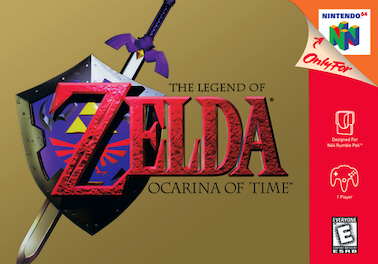
What Nintendo actually rebuilt in the Ocarina of Time remake
Start with the changes that would have been unthinkable in 1998. Story cutscenes are now fully voiced with expanded dialogue — Zelda, Saria, Darunia, Ruto and Ganondorf all speak, while Link, correctly, stays silent (Nintendo still hasn’t announced the voice cast). The music has been re-recorded as a full symphonic orchestral score. And the control scheme has been properly modernised: a free camera, faster swimming, motion aiming — and a dedicated jump button, plus a dash. If you know what auto-jump meant to the original’s design — every ledge a quiet negotiation with the game — you’ll understand why a jump button is the single most radical sentence in this article.
The world itself has grown. Hyrule Castle Town is expanded, spaces are bigger, and a new Trails of Time guidance system points wandering players toward what’s next. You can hum learned ocarina melodies directly into the Switch 2’s built-in microphone to play songs. There’s a Hall of Fallen Foes — a museum-style room of statues of defeated enemies that doubles as a boss-rematch mode with time-attack rematches. And the game ties into ZELDA NOTES, the free service inside the Nintendo Switch App. Nintendo showed roughly fifteen minutes of gameplay at the Zelda 40th Anniversary Direct — Kokiri Forest, the Great Deku Tree, Hyrule Field, Castle Town — and Digital Foundry’s look at the September footage measured 1080p at 60 frames per second, with no sign of DLSS upscaling; Nintendo hasn’t confirmed a docked resolution.
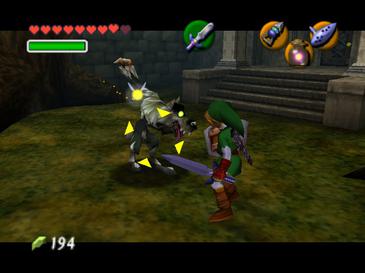
What the previews said — and what the reviews say
Hands-on previews went live on October 14, from short demo sessions at events — worth stating, because demo impressions are not reviews. The consensus: the extra detail, the orchestral score and, surprisingly, the jump button all land well. Where previewers split is on the interesting questions. Some found the remake strikingly faithful; others questioned how faithful it really is once the camera is free and Link can leap. The English voice acting divided people too — which, for the first voiced Zelda cutscenes in the series’ flagship, was probably inevitable. That was the picture from the demos. Yesterday morning the reviews landed and settled it: the remake sits at 96 on Metacritic across more than 80 critic reviews, and 95 on OpenCritic — the highest-rated game of 2026 so far, and in this series behind only the 1998 original’s 99. Perfect scores came from Destructoid, GamesRadar+, VGC and Eurogamer; IGN and GameSpot gave it a 9, Game Informer a 9.25. The praise lands where the previewers hoped — the modernised movement and camera, the orchestral score, the rebuilt world — with one recurring caveat: the new art direction occasionally loses some of the original’s character.
Why the 1998 original still casts the longest shadow
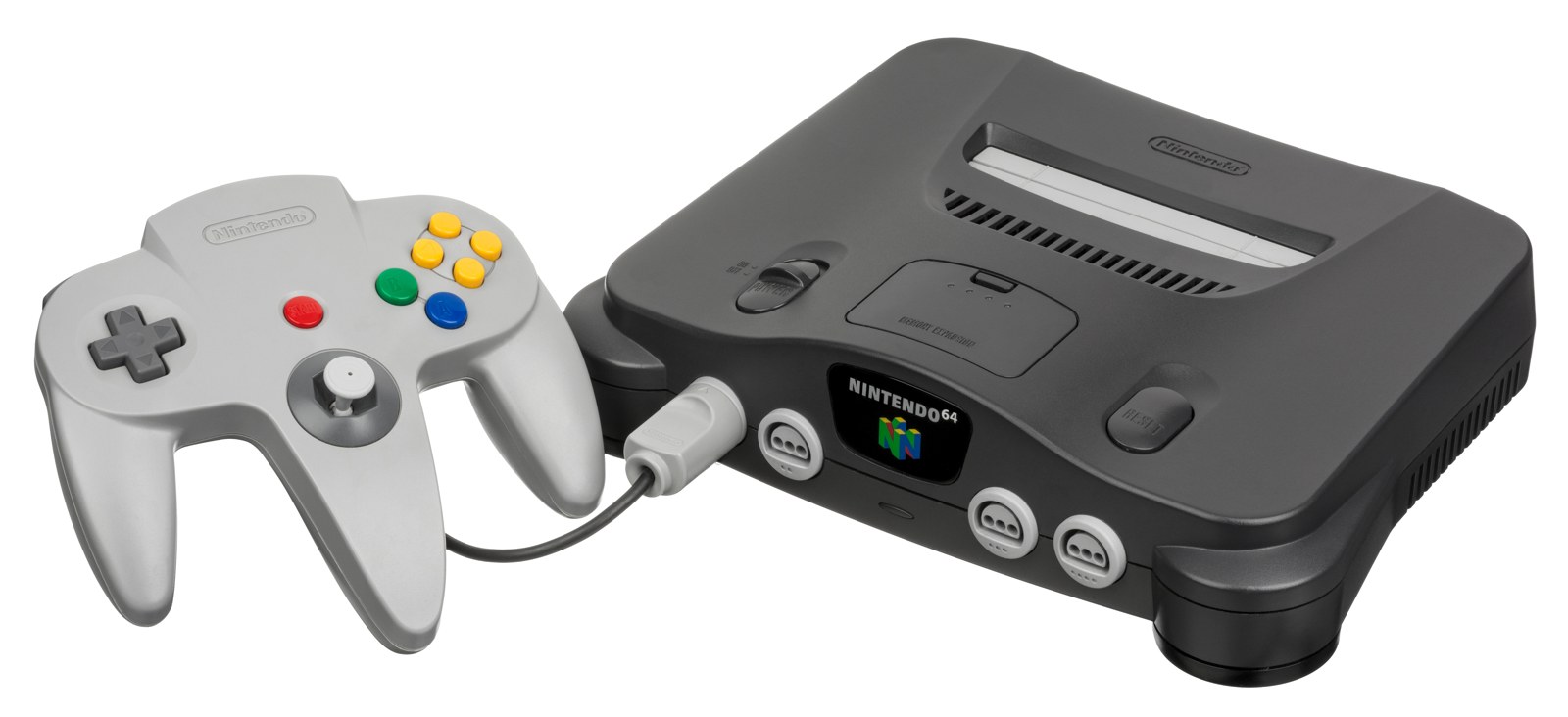
It is difficult to overstate what the Nintendo 64 original did. Ocarina of Time translated the series into 3D and, in doing it, wrote the grammar for 3D action-adventures: Z-targeting to lock onto an enemy, a context-sensitive action button, an open field stitching dungeons together, a day-night cycle, a story told across two ages of the same hero. Games are still built out of those parts twenty-eight years later. It did all that on a cartridge, on the three-pronged controller in the photo below, in the same console generation when most developers were still learning what a polygon was for.
The anniversary happening around it
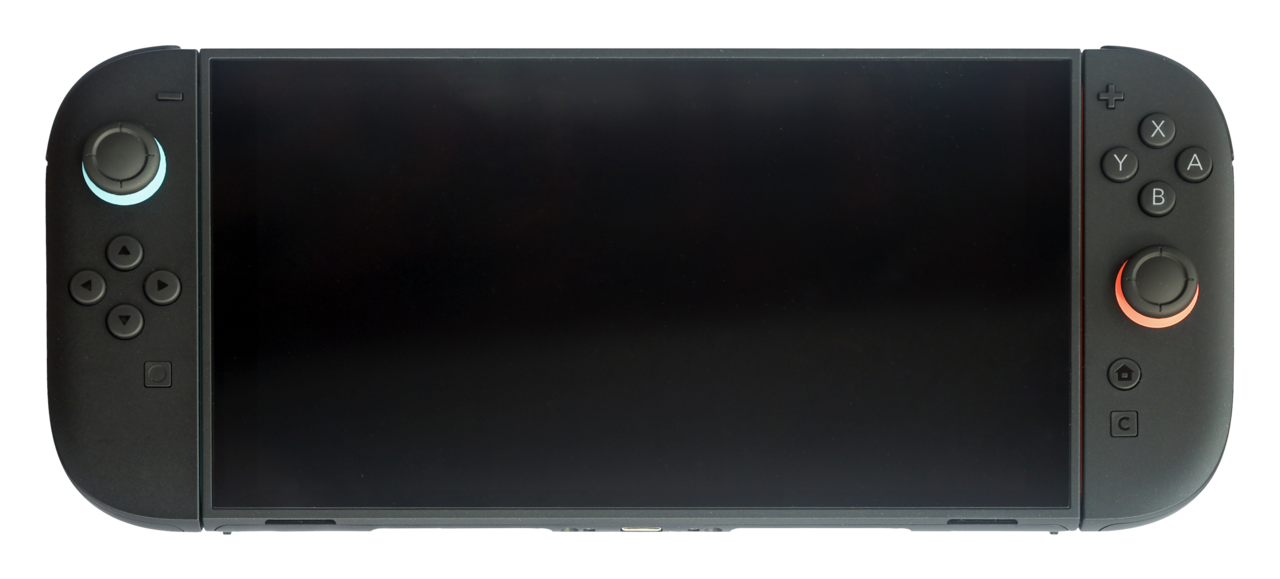
The remake doesn’t arrive alone. A week ago, on October 29, Nintendo launched the limited-edition Zelda 40th Anniversary Switch 2 console ($519.99, game sold separately) and a matching gold-and-green Pro Controller — and demand ran so far past supply that Nintendo took the unusual step of publicly acknowledging it underestimated it, promising restocks of the console, controller, case and screen protector. The celebrations run forward, too: new Young Link and Young Zelda amiibo in 2027 that unlock cosmetic masks in-game, a global orchestral concert tour starting early next year, and the live-action Zelda film in spring 2027. The remake is the anchor product of the whole programme — which is exactly why its price has a ten-dollar physical premium and why the anniversary console doesn’t include it.
The road to launch day
This remake has had an unusually public gestation. Nintendo first announced it in June with little more than a vague teaser, then used the September 8 Zelda 40th Anniversary Direct to actually show it: Aonuma presenting around fifteen minutes of play, the November 5 date confirmed, the jump button revealed to a reaction you could probably hear from space. An October 14 overview trailer filled in the voiced cutscenes, the expanded dialogue and the Hall of Fallen Foes, and the hands-on previews landed the same day. Between the anniversary console selling out in seconds on October 28 and Polygon reporting Nintendo’s own admission that it misjudged demand, the launch arrives with the kind of heat Nintendo usually reserves for a brand-new Zelda — which tells you what the company thinks this catalogue title is worth in 2026.
And if you want the original tonight instead?
The 1998 game hasn’t gone anywhere. The original Nintendo 64 cartridge is common and affordable, the 2011 Nintendo 3DS remake — Ocarina of Time 3D, for years the connoisseur’s version, with its own gentler controls and a portable Master Quest — remains easy to find, and the N64 version sits in the Switch Online library for subscribers who’d rather sample than commit. None of those is today’s news, and none of them has a jump button, a free camera or a voiced Ganondorf. But it’s worth saying on launch day: Nintendo is charging remake money for a game it also rents you, which is either confidence or cheek, depending on how the faithfulness argument settles.
Should you buy the Ocarina of Time remake today?
If you’ve never played Ocarina of Time, this is now the front door — the controls objection, the only one that ever really held, is gone. If you played it in 1998, the honest question is whether a rebuilt, voiced, orchestral version of a game you can recite is worth $59.99 of your November; the previews suggest the changes are substantive rather than cosmetic, but the faithfulness argument is real and unresolved until full reviews land. If you own only an original Switch, the answer is simpler and worse: there is no version for your machine, full stop. And if you’re hunting the anniversary console rather than the game, know that the restock fight is part of the purchase right now.
Twenty-eight years ago this game taught 3D adventures how to work. Today it comes home rebuilt, in the middle of its own series’ 40th birthday party, asking the biggest question a remake can ask: is it still the game you remember when it finally moves the way you remember it moving? We’ll score it when we’ve played it properly. For launch day, the door is open — Kokiri Forest is that way.