
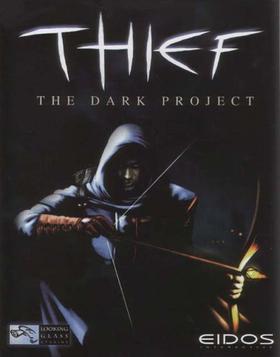
Some games invent a genre and then watch everyone else spend thirty years catching up. Thief: The Dark Project did something ruder: it invented a genre, sold modestly, killed its studio’s momentum, and then quietly became the design document half the industry works from anyway. Next month it comes back — remastered, on consoles for the first time, with a brand-new campaign written by its own fans and treated as official canon. Before the December 3 launch turns into launch-day noise, this is the moment to say plainly why the 1998 original still matters, and why almost everything you love about stealth games started in a dark corridor with a guard muttering to himself.
At a glance: Thief: The Dark Project — developed by Looking Glass Studios, published by Eidos Interactive, released November 30, 1998 for PC. Genre: first-person stealth — the first one that meant it. The remaster from Nightdive Studios, Eidos-Montréal and Atari arrives December 3, 2026.
Thief The Dark Project taught games to listen
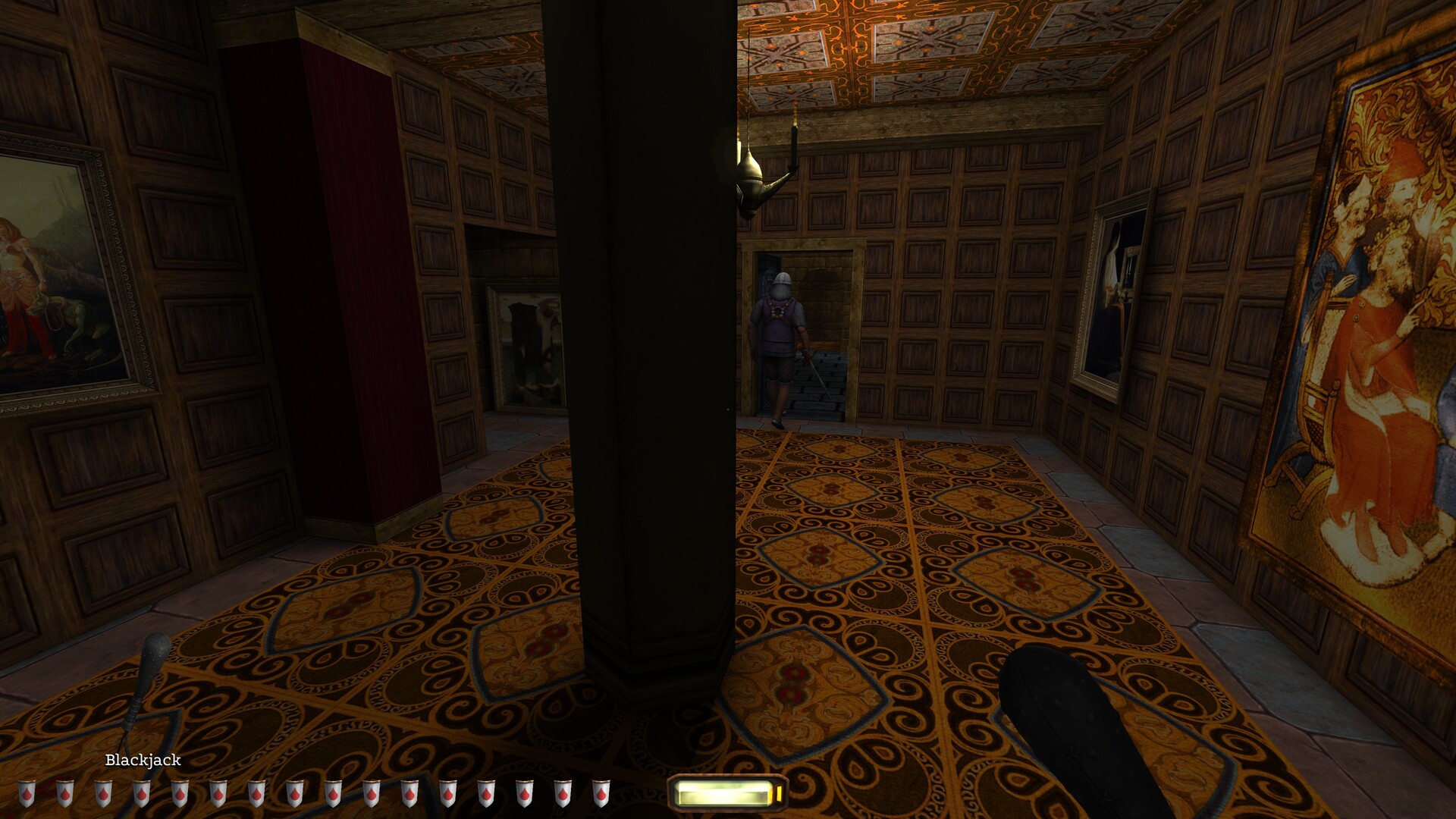
Every stealth game before Thief was really a game about eyesight. Guards had vision cones; stay out of the cone and you were a ghost. Looking Glass threw that out and built a game about sound. Garrett, the master thief you play, makes noise based on the surface under his feet — silent on carpet, treacherous on marble, a drum solo on metal — and the guards’ AI genuinely listens, escalating from curious to suspicious to hunting based on what reaches their ears. The light gem at the bottom of the screen tells you how visible you are, and between that one gem and your own ears, the game hands you a simulation honest enough that you stop playing the interface and start playing the room.
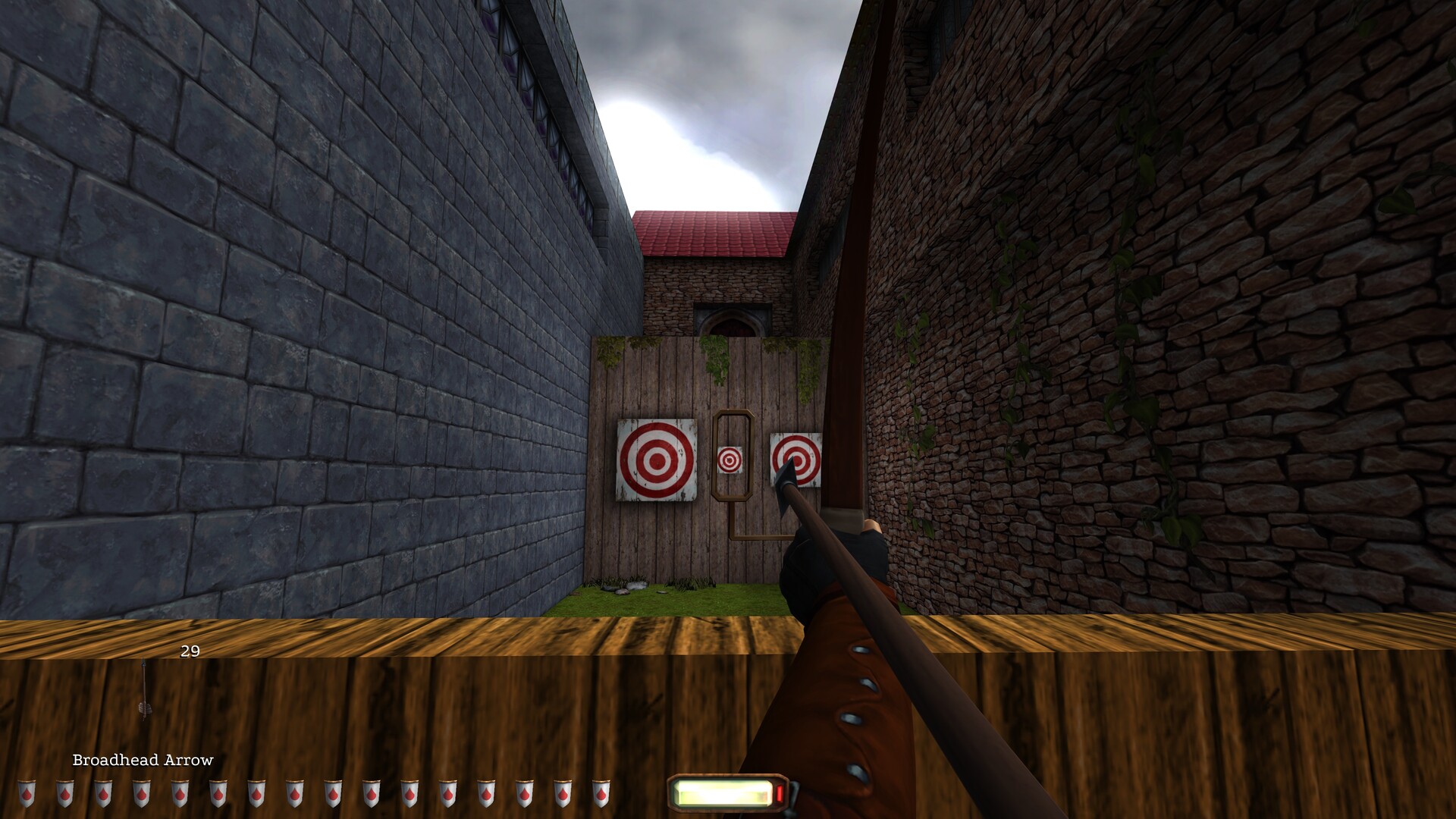
That honesty extends to the tools. Water arrows douse torches. Moss arrows soften a floor. Rope arrows turn a ceiling beam into a road. Nothing in the kit is a weapon first — even the blackjack is about ending an encounter quietly rather than winning it. On the higher difficulty settings the game simply forbids killing, and at Expert it starts adding objectives: loot quotas, no-knockout conditions, extra secrets. In 1998, a first-person game telling you the sword was the boring option was heresy. It is still the genre’s purest statement of intent.
A city worth stealing from
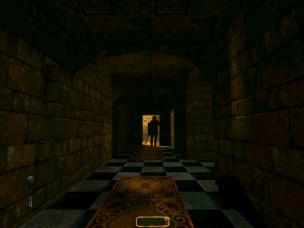
The City — capital T, no other name ever given — is a steampunk pressure cooker of fanatical Hammerite builders, pagan trickster gods, and the secretive Keepers who trained Garrett and then watched him walk away. The story, told in stark animated cutscenes and in the guards’ idle chatter you’ll crouch and listen to whether you meant to or not, pits Garrett against Constantine, a strange benefactor whose job offer is, of course, the worst decision Garrett ever makes. It ends in places no 1998 shooter was supposed to go: genuinely unnerving horror, in the haunted cathedral mission that players still bring up in the same tone people use for weather events.
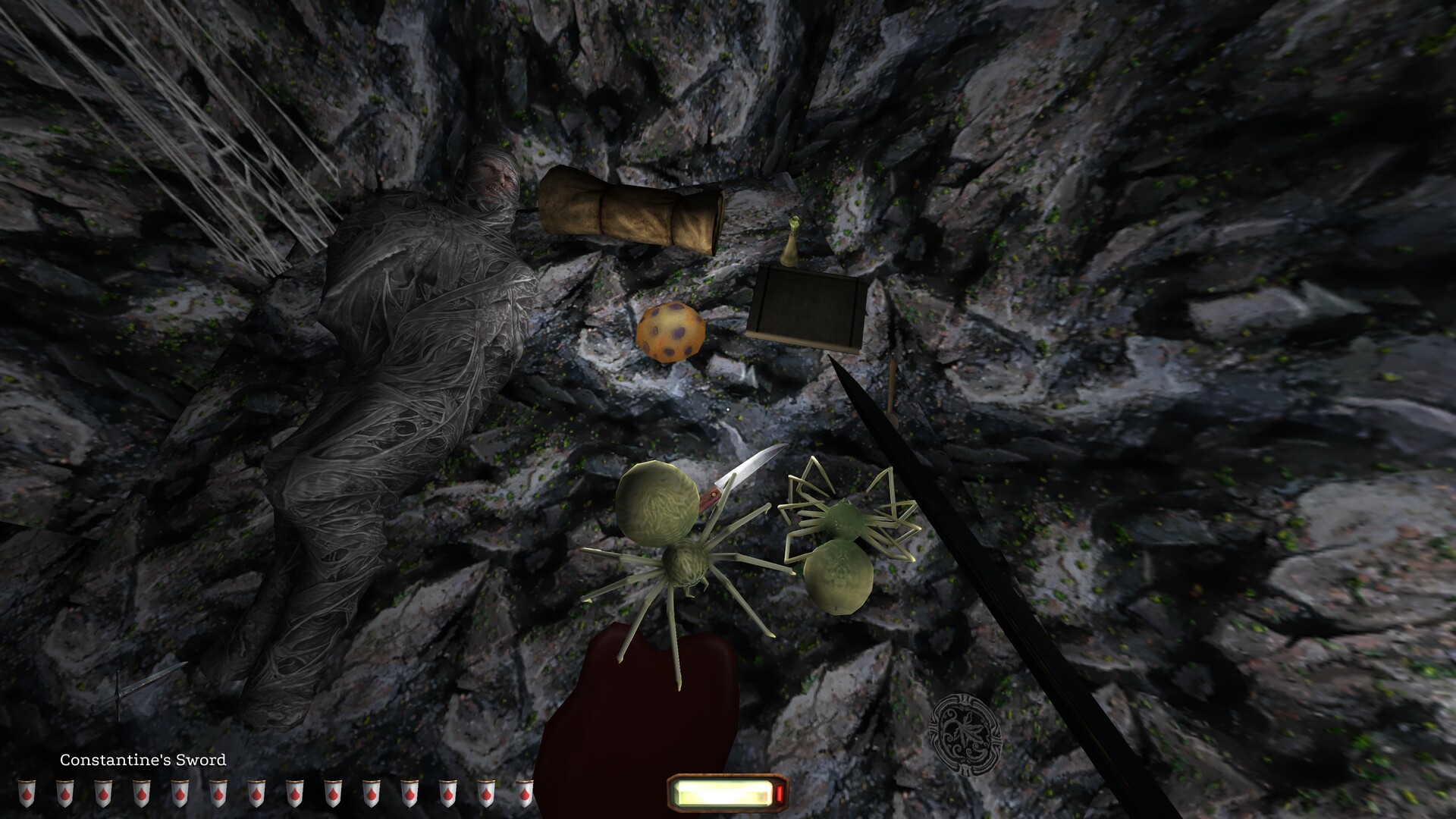
And the missions themselves remain the standard. Breaking into Bafford’s manor is the perfect first job. The Sword is a funhouse that folds in on itself. Down in the Bonehoard is a tomb raid that turns into survival horror halfway down. Return to the Cathedral closes doors behind you and dares you to keep going. Twenty-eight years of stealth levels — the good ones, anyway — are variations on these twelve.
The blueprint everyone copied
Here’s the lineage, and it’s not subtle. Looking Glass’s immersive-sim DNA runs straight into System Shock 2, Deus Ex, and from there into Dishonored, Prey, Hitman‘s modern sandbox trilogy and every game that has ever bragged about “player agency” in a press release. The light-and-sound simulation, the first-person body you can lean around corners, the world that keeps simulating whether or not you’re watching — Thief shipped all of it in 1998, on the Dark Engine, built under deadline pressure by a team that turned over mid-development. (We’ve kept our archive piece on the original game on the shelf all these years; this retrospective is its long-overdue expansion.)
The fans kept the faith — and now it’s canon
Most games this old survive on nostalgia. Thief survived on labour. Its fan-mission community built hundreds of missions across three decades, culminating in The Black Parade, a ten-mission fan campaign so accomplished that it routinely gets described as the best Thief experience ever made — ahead of the official games. Nightdive’s response is the most interesting thing about the December 3 remaster: instead of buying the community a thank-you and moving on, they hired the feeling. The remaster bundles The Tarnished Mirror, an entirely new campaign built by The Black Parade‘s creators, set between The Dark Project and Thief II: The Metal Age — and the studios are treating it as official canon. A fan team’s work, folded into the licensed release of the game that inspired it. That almost never happens, and it should be the template.
The package itself, from the November 2 press release: Nightdive’s KEX Engine, running at up to 4K and 120 frames per second; the original twelve missions plus the three extra Thief Gold missions and their five new enemy types; full mod support, The Black Parade included among the supported player-made work. Platforms: PS5, PS4, Xbox Series X|S with Xbox Play Anywhere, Switch, Switch 2, and PC via Steam, Epic and GOG — the first time Thief has ever been sold in a box for a console. Digital Standard is $29.99, Digital Deluxe $34.99; physical runs from a $29.99 standard edition to a $69.99 Deluxe in a trapezoid box shaped like the 1998 original’s. For a remaster of a 1998 PC game, that is not a cash-in’s price sheet. That’s a studio that knows exactly who kept this game alive.
The difficulty was the design
One more thing modern players should know before December: Thief‘s difficulty settings don’t just make guards tougher. They rewrite the job. Normal is the story. Hard adds loot and conditions. Expert — the setting the community will tell you is the real game — forbids killing outright, raises the loot quota until you’re scouring rooms you’d have ghosted past, and bolts on extra objectives that drag you into the map’s most dangerous corners. It’s a whole philosophy in a menu: the better thief you claim to be, the less violence you’re allowed and the more of the building you have to understand. Games that moralise about non-lethal play today are quoting a difficulty screen from 1998.
It also means the game scales with your nerve rather than your arsenal. Your first Bafford run and your fifth are different missions because you changed — you learned the patrol gaps, the tile from the carpet, the exact second a guard’s mutter turns into a search. That learning curve, measured in held breath, is the thing no remaster needs to improve. It only needs to not get in its way — and by every report from the November announcement, with the original missions intact, the Gold content bundled and mods welcomed rather than tolerated, Nightdive’s version understands the assignment.
How to play Thief today
You have three honest routes, and none of them involves waiting in the dark. The original Thief Gold is cheap and permanently available on PC storefronts, and with the community’s modern patches it runs beautifully — that is the 1998 experience, untouched. The fan-mission archive is a second lifetime of game on top of it, free, and The Black Parade is the single best download in stealth gaming. And on December 3, the remaster becomes the obvious front door for console players and anyone who wants the Gold content, the new campaign and the mods in one install.
Stealth games today are usually about being a predator with a radar. Thief is about being prey with a plan — under-equipped, outnumbered, and rich only in patience. On December 3 it stops being a history lesson and becomes a current release, with its own fans’ work sitting inside it as canon. If you’ve never played it, you’re not late. The dark kept your place.