
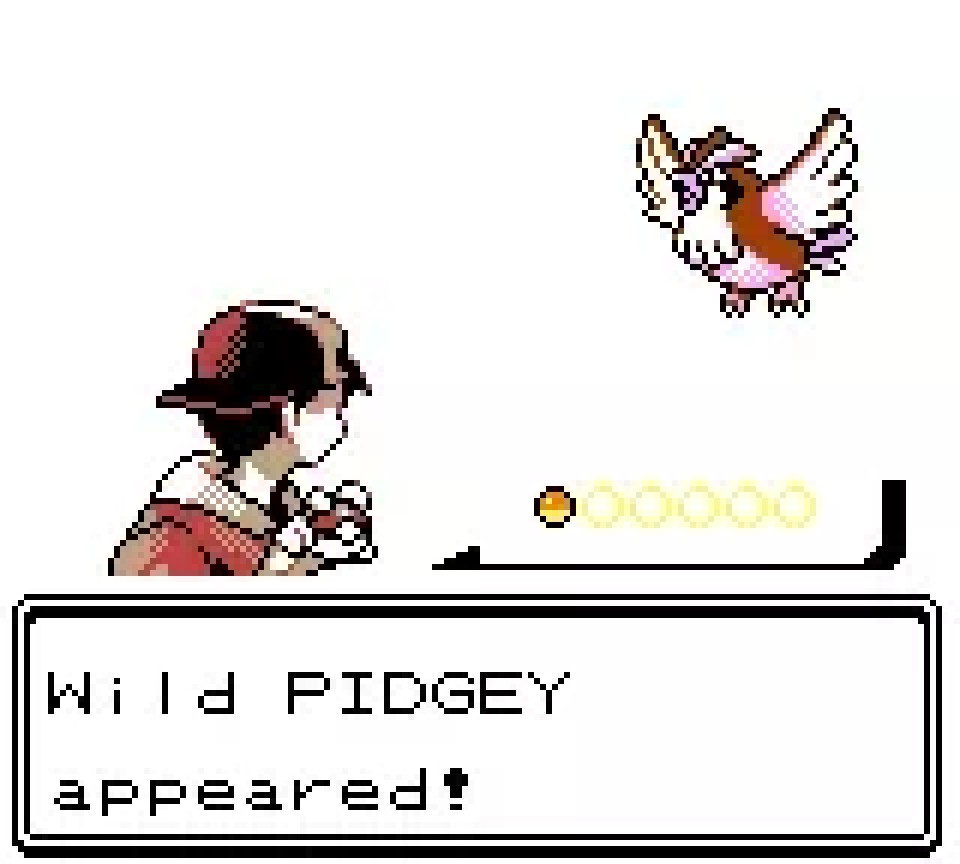
At a glance — Game: Pokémon Gold and Silver · Developer: Game Freak · Publisher: Nintendo · Original release: November 21, 1999 (Japan; North America October 15, 2000) · Original platforms: Game Boy Color · Genre: Role-playing · Director: Satoshi Tajiri
The final boss is you. Not a rival, not a champion — you, the silent kid from the first games, waiting at the top of Mt. Silver with the strongest team in the series. That is the kind of sequel Pokémon Gold and Silver turned out to be. Most sequels have to follow a hit; these had to follow a takeover, the defining craze of the schoolyard on three continents by the autumn of 1999. The safe move was a slightly bigger version of the same game. Game Freak did something else: a sequel with a clock inside it, a second region hidden behind the first, and that ending. Twenty-seven years on, Gold and Silver are still the standard every Pokémon sequel is quietly measured against. Most of them are still losing.
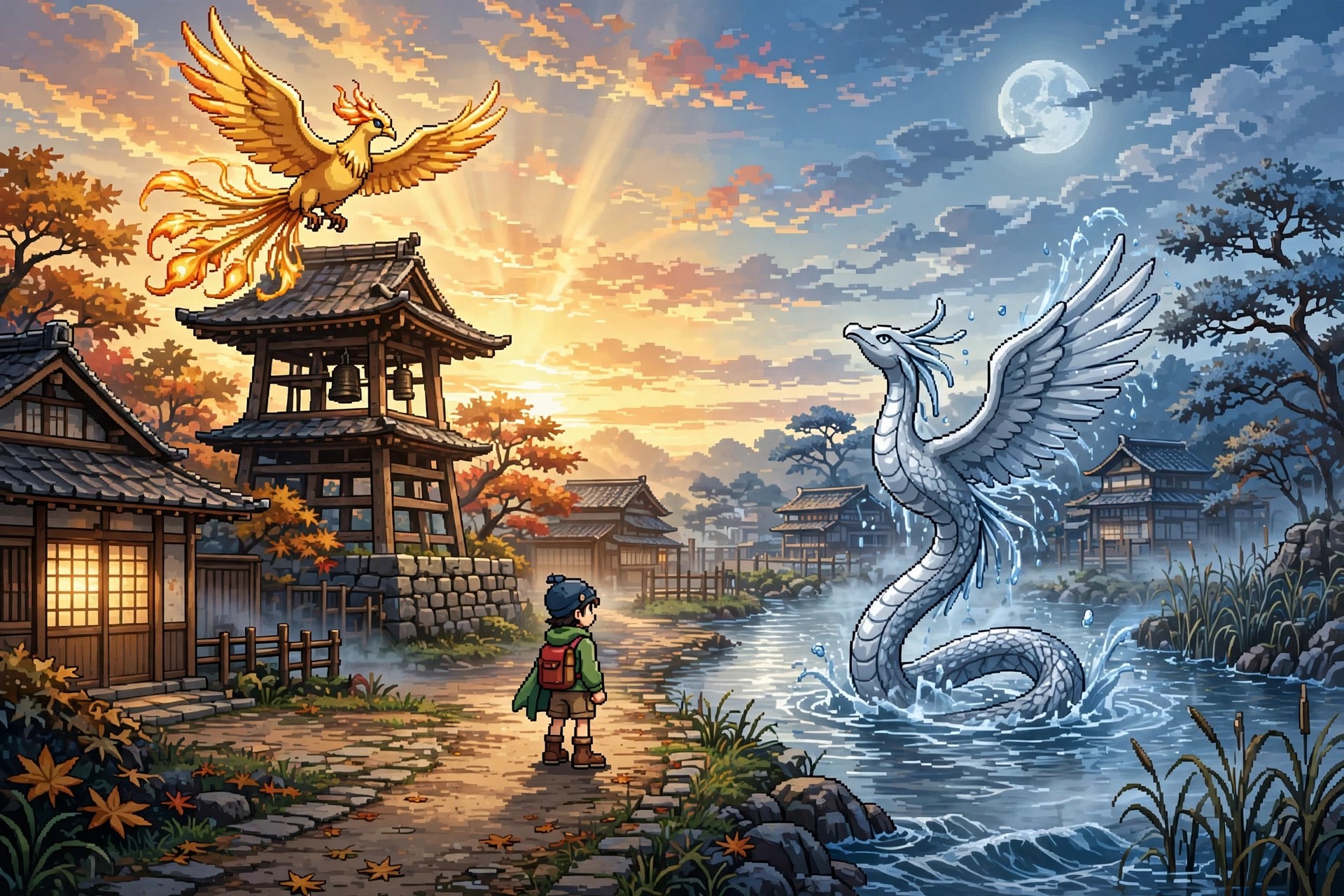
Pokémon Gold and Silver and the weight of following a phenomenon
The games were not a secret weapon held back for the right moment. They were shown publicly at Nintendo Space World in November 1997 — before most of the world had even played the originals — and became the most popular exhibit at the show. What was promised then was not an expansion but a new world: a new storyline, new species, full Game Boy Color support, breeding, held items, the Pokégear gadget, a real-time clock and backward compatibility with the games players already owned. Game Freak had started work immediately after Pokémon Red and Green shipped in Japan, originally aiming at 1998, in step with the supposed end of the anime’s first season.
It took far longer than that. Development ran three and a half years with a programming team of only four, sidetracked by Pokémon Stadium and the localisation of the first generation. The 1998 slot was quietly taken over by Pokémon Yellow. Programmer Shigeki Morimoto has said the small team was a core reason for the length of the project, and the rescue, when it came, was famous in itself: Satoru Iwata, then president of HAL Laboratory and later Nintendo’s own president, wrote new compression tools for the Pokémon graphic code and helped squeeze the game into its cartridge. Junichi Masuda composed the soundtrack on an Amiga, converting it to MIDI and back again for the Game Boy Color’s hardware.
A hundred new Pokémon, two new types and a clock inside the cartridge
The headline number was 100: a hundred new species, taking the Pokédex to 251, each obtainable only by playing, evolving and trading across both new games and their predecessors. Around them, Game Freak rebuilt the series’ systems. The real-time internal clock tracks the actual time and day of the week, so the world changes around the player’s life — some Pokémon only appear at night, some events only happen on certain days. Pokémon can hold items for the first time, from health-restoring berries to battle-boosting gear, and more specialised Poké Balls make catching easier in the right situation. The Pokégear combines watch, map, radio and phone, and trainers who hand over their number will call back for rematches or with word of rare Pokémon nearby.
The battle system deepened just as much. Two new types, Steel and Dark, were aimed squarely at the old balance: Steel is immune to Poison and heavily resistant, Dark is immune to Psychic and strong against it — an answer, at last, to the type that had dominated the first generation. The single Special stat split into Special Attack and Special Defense. Breeding arrived, with eggs that hatch into young Pokémon inheriting their mother’s species and their father’s moves. And with them, baby Pokémon. Even the series’ mysteries multiplied: Raikou, Entei and Suicune roam Johto, fleeing from battle and changing location, trackable only once encountered, and roughly one wild Pokémon in 8,192 shines in alternate colours.
Trading with the past was engineered rather than assumed. The Time Capsule lets Gold and Silver trade with the first-generation games, but under strict rules: no new species, and no Pokémon carrying a new-generation move, with a move deleter provided so players could strip a favourite down to a legal moveset. Around the edges sit the details fans still recite — Kurt in Azalea Town fashioning custom Poké Balls from Apricorns, the Bug-Catching Contest in National Park, the sliding puzzles of the Ruins of Alph, and Celebi, the one species in the cartridge that almost nobody could legitimately own, distributed only through Nintendo events, beginning with a 100,000-winner postcard lottery for Space World 2000 in Japan.
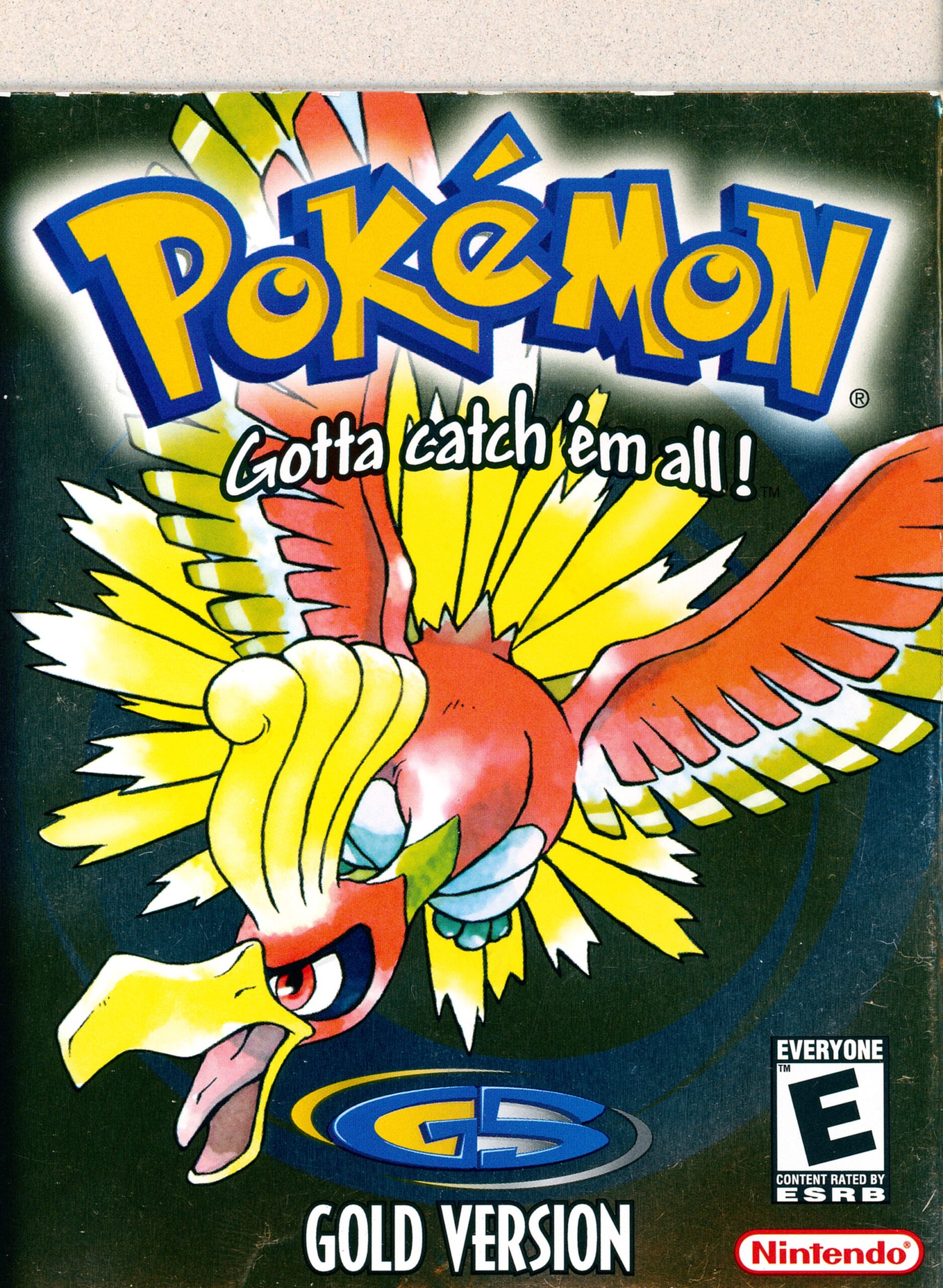
Johto, then Kanto: the sequel that contained its predecessor
The journey begins in Johto, west of Kanto and modelled on Japan’s Kansai and Tōkai regions, all temples and traditional towns. Professor Elm hands the player Chikorita, Cyndaquil or Totodile. A mysterious rival steals another of Elm’s Pokémon and returns, again and again, to test them. Team Rocket, disbanded in the earlier games, has reunited to hunt for its missing leader Giovanni. Eight Johto Gym Badges lead to the Elite Four and Champion Lance on the Indigo Plateau — and in any ordinary sequel, that would be the ending.
Instead, the game opens its second act. The player can cross into Kanto, the entire region of Red and Blue, three years on. Cinnabar Island is buried under a volcano’s eruption with only a Pokémon Center standing. Familiar towns have aged. Eight more Gym Leaders wait. Beyond them lies Mt. Silver, home to the strongest wild Pokémon in the game — and, deep in its caves, Red, the silent protagonist of the first generation, fielding the most difficult team in the series to that point. It remains the great sequel gesture: not a cameo, but a whole previous game, revisited as history.
Records, remakes and a demo that escaped
The market had been primed to a degree that now reads as satire. Nintendo modified five Chrysler PT Cruisers to resemble Lugia and drove them around the United States, each fitted with televisions so spectators could play. American pre-orders hit roughly 600,000 in two months, against 150,000 for Pokémon Yellow, and a million a full three weeks before release. In Japan the games sold 1,425,768 copies on their first day and about 6.5 million by April 2000. In the United States they sold 1.4 million in their first week — the fastest-selling games ever at that moment — on the back of a marketing spend reported between $12 million and $14 million. The eventual total passed 23 million, making Gold and Silver the best-selling Game Boy Color games and the third-best-selling of the whole Game Boy family. Critics agreed with the queues: IGN’s Craig Harris scored Gold a “masterful” 10 out of 10, praising a design so dense with additions he called it impossible to list them all.
The afterlife has been just as long. Pokémon Crystal followed in 2000. Full remakes, HeartGold and SoulSilver, arrived for the Nintendo DS on the tenth anniversary in 2009 and sold 10 million copies by July 2010. The originals returned on the Nintendo 3DS Virtual Console in September 2017. And in 2018 the past surfaced literally: ROM images of the 1997 Space World demo leaked and were dissected by fans, revealing a larger world map based on the whole of Japan and around a hundred unused or changed Pokémon designs — a whole alternate Gold and Silver that Game Freak had built and then, deliberately, cut down to the sharper game that shipped.
Why Pokémon Gold and Silver at 27 still set the standard
Every long-running series eventually produces the sequel that does everything: more creatures, more systems, more world — and then the old world too, treated with respect rather than nostalgia-bait. For Pokémon, that sequel arrived second, in 1999, on a cartridge with a clock in it. Gold and Silver did not merely extend a craze. They converted it into a series that could be trusted to grow. Twenty-seven years later, the day-and-night cycle, breeding, held items and roaming legendaries are simply what Pokémon is — and all of them started here, in Johto, on November 21.
— Chip
For more launches from this date, see This Day in Gaming History: November 21.