
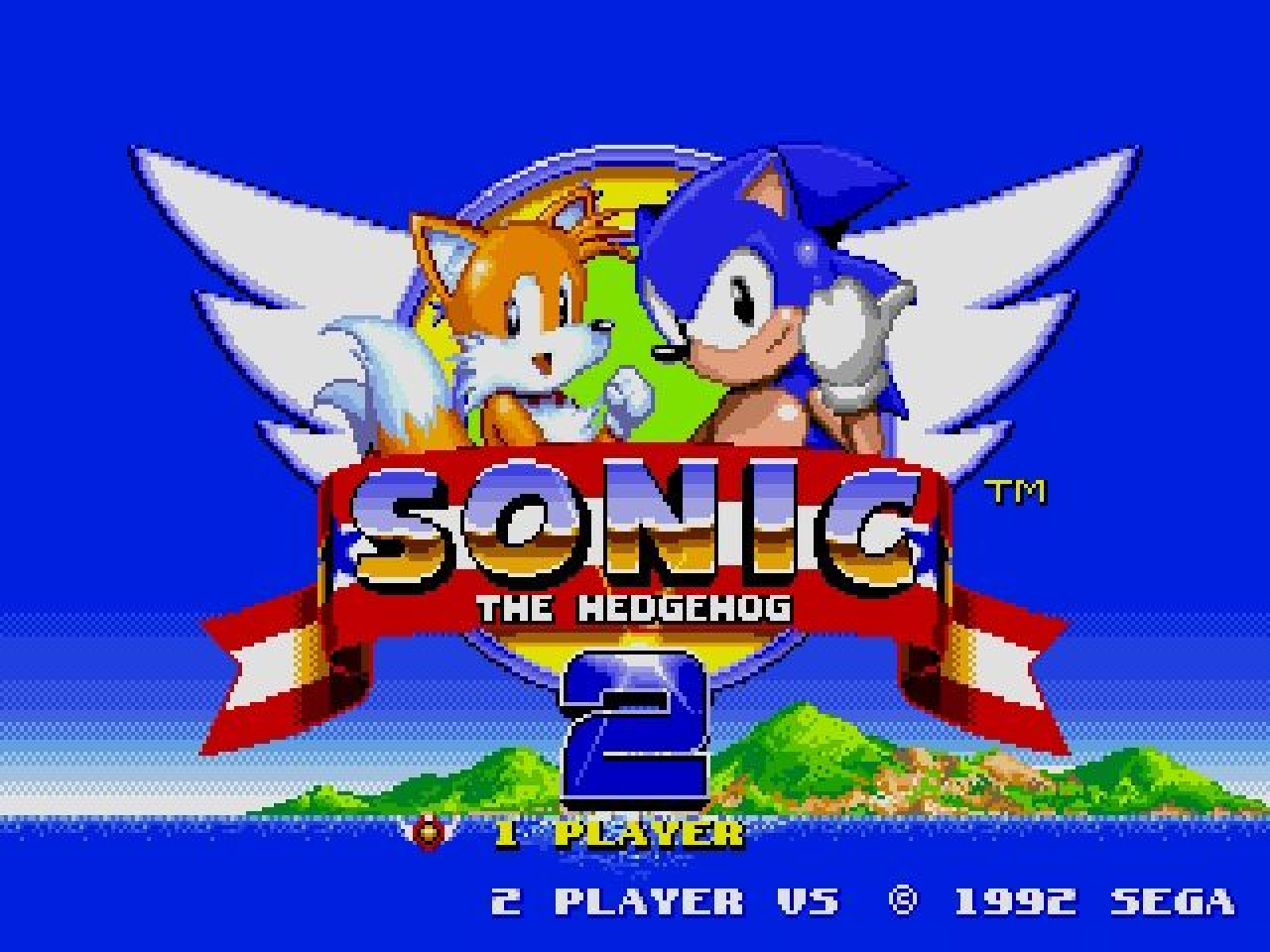
At a glance — Game: Sonic the Hedgehog 2 · Developer: Sega Technical Institute · Publisher: Sega · Original release: November 21, 1992 (Japan) · Original platforms: Sega Genesis / Mega Drive · Genre: Platform game · Music: Masato Nakamura · Players: 1–2
Sonic 2sday. That was the pitch. One Tuesday — November 24, 1992 — and the game would be in every shop in North America and Europe at the same time. Sega spent $10 million telling us the date. They flew cartridges around the world to make it true. Games did not launch like that in 1992. Dates drifted. Countries waited. Sega acted like this was a moon landing.
And here is the part people forget. Japan had it first. Three days earlier, November 21. That is the date on Sega’s own records, and it is the date we file it under. The big noisy launch was the second launch.
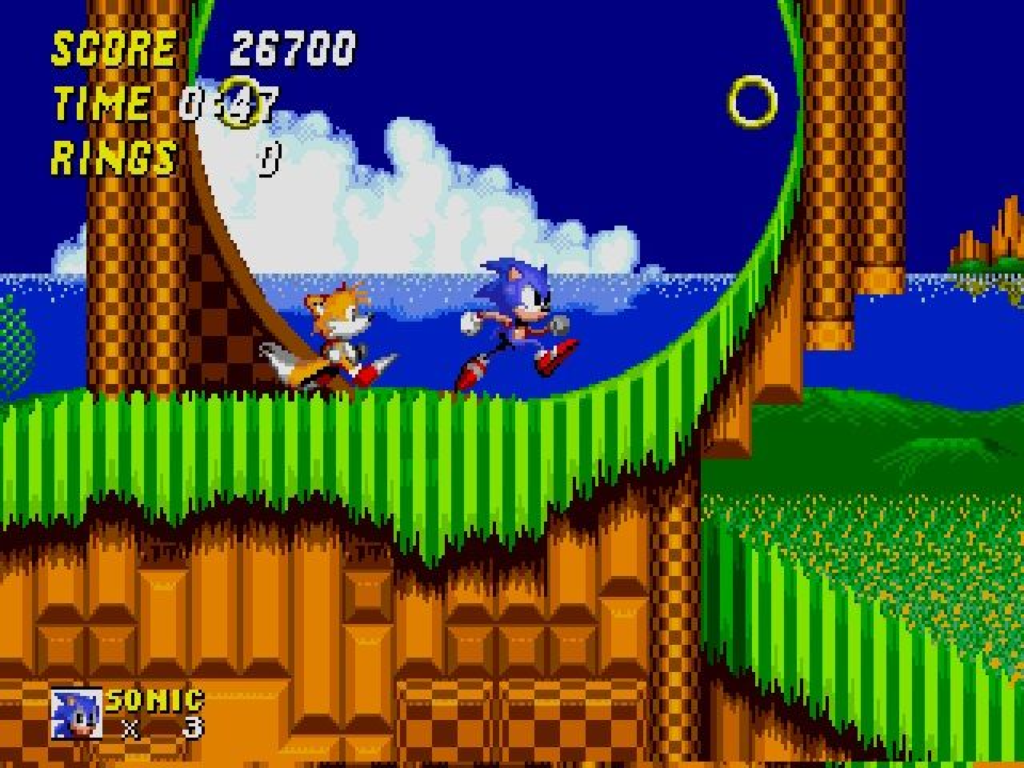
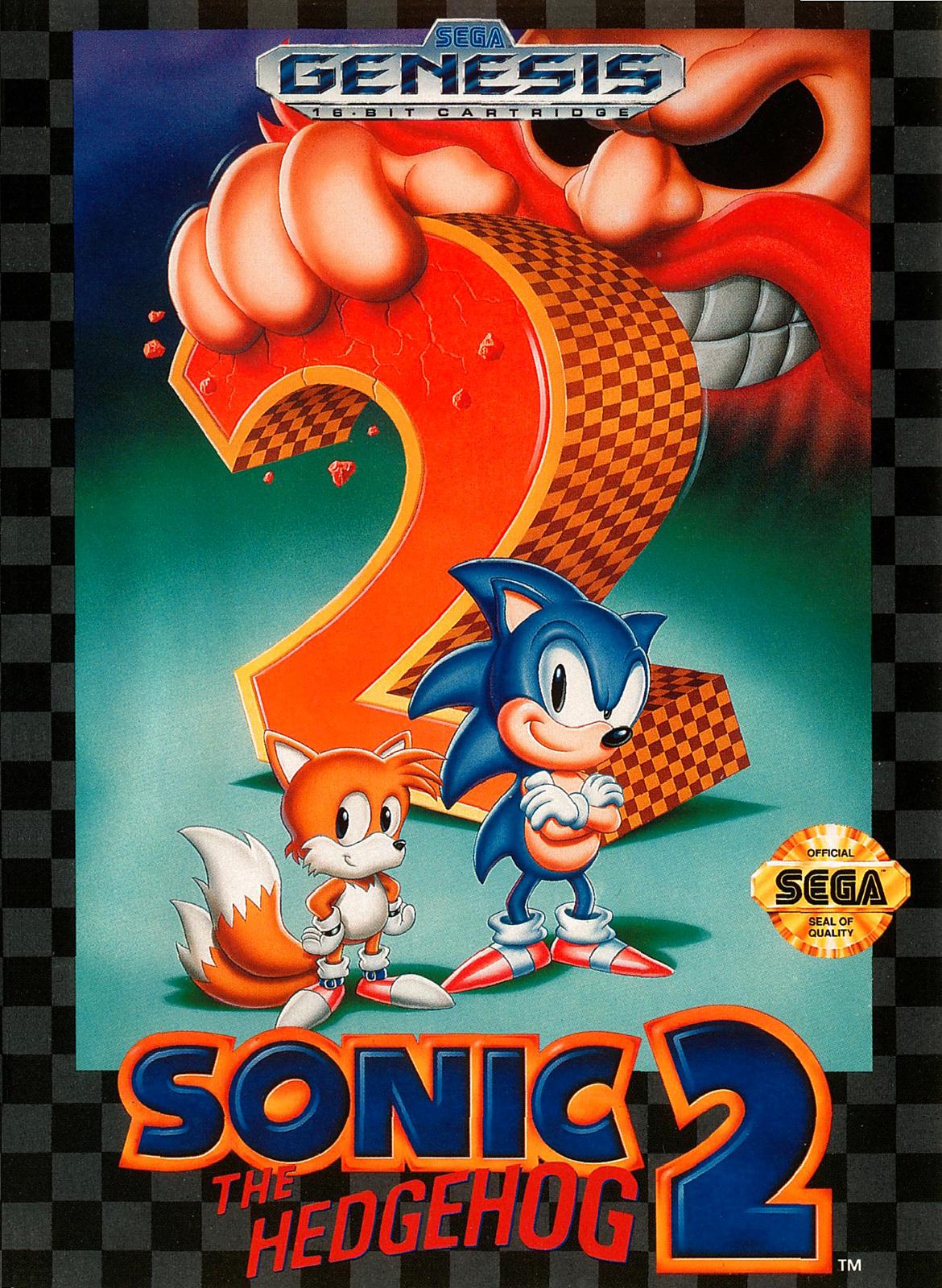
The cartridge earned the noise, though. Bigger levels. A partner for Sonic. A new move that changed how the whole series plays. A seventh Chaos Emerald, and a golden transformation nobody had done in a platform game before. It ended up the second-bestselling game on the Genesis. For a lot of us it was not the sequel. It was the first Sonic we ever touched.
Sonic the Hedgehog 2 was built in California, in a hurry
The first Sonic had changed everything for Sega in America. So in November 1991, Sega told Mark Cerny to make the sequel. Cerny ran the Sega Technical Institute, out in California. That is where Sonic 2 got built. Not in Japan.
The core of the old team came over. Yuji Naka, the programmer. Hirokazu Yasuhara, the designer. They moved across the Pacific and built the game inside an American studio, working next to American staff. It was not smooth. Two groups, two working cultures, a lot of friction. And the schedule jerked around from the start. Sega of America first said a sequel was too soon. Then they changed their minds and wanted it now. That flip cost the team roughly two months.
Ideas got cut down to what could actually ship. Early on there was a time-travel plan. It did not make it here. It turned up later, powering Sonic CD. Director Masaharu Yoshii and his team finished what they could finish properly, and let the rest go.
The music came from a safe pair of hands. Masato Nakamura, of Dreams Come True, had scored the first game. He came back. He treated it like a film. He wrote from concept art, before the levels were even built, and he was making the band’s 1992 album The Swinging Star at the same time. You can hear that confidence in the game. Track after track, it just swings.
Two tails, one spin dash
Meet Tails. Miles “Tails” Prower, a kid fox with two tails, and the best thing that ever happened to younger siblings.
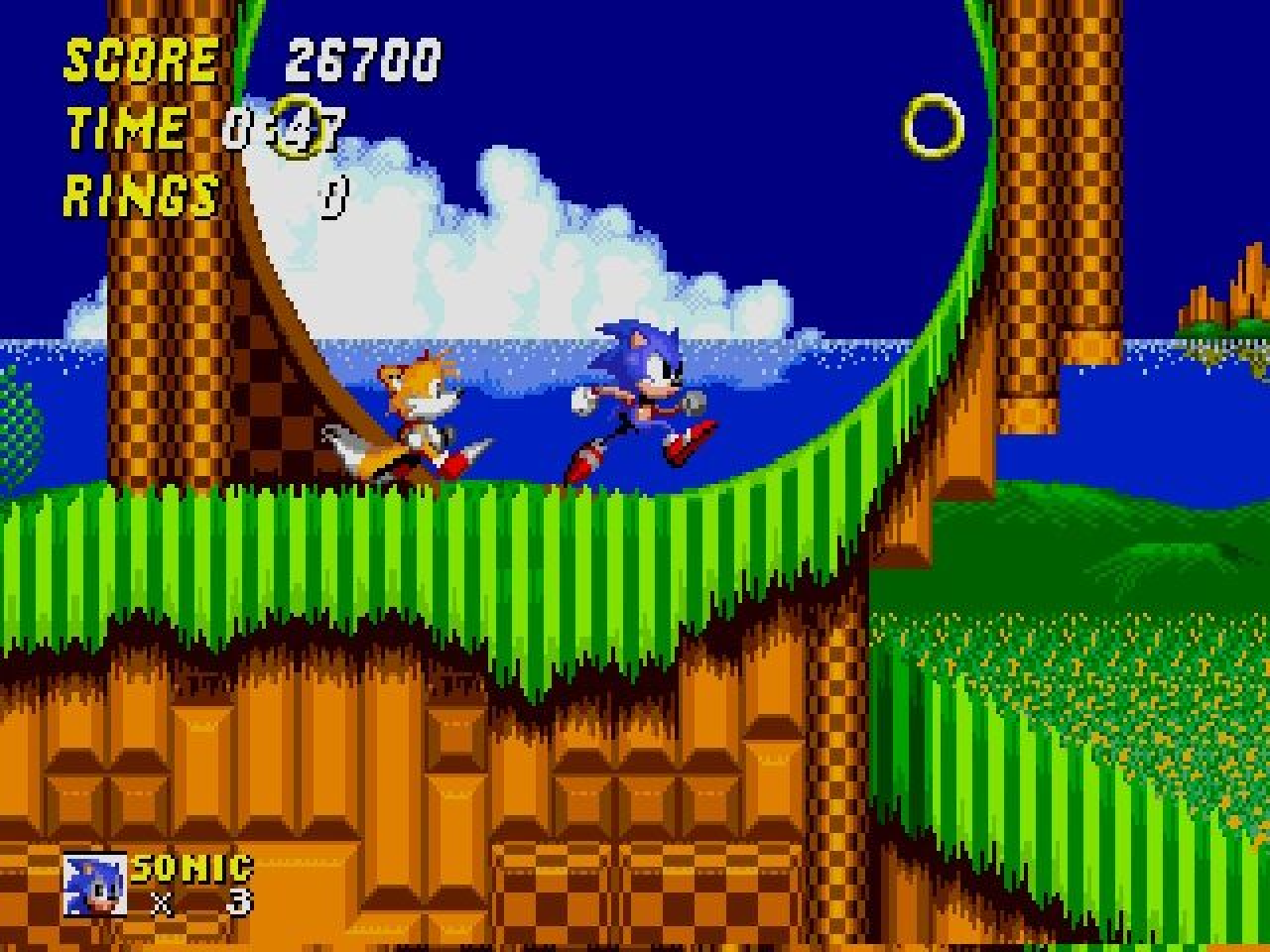
He runs with you through the whole game. The computer steers him, or a second player grabs a controller and takes over, any time. He loses rings. He falls in pits. He always comes back. Sonic 1 was a solo act, a blue streak and nobody else. Sonic 2 feels different from the first minute, because you are not alone in it anymore.
Then there is the spin dash. One move. It changed everything.
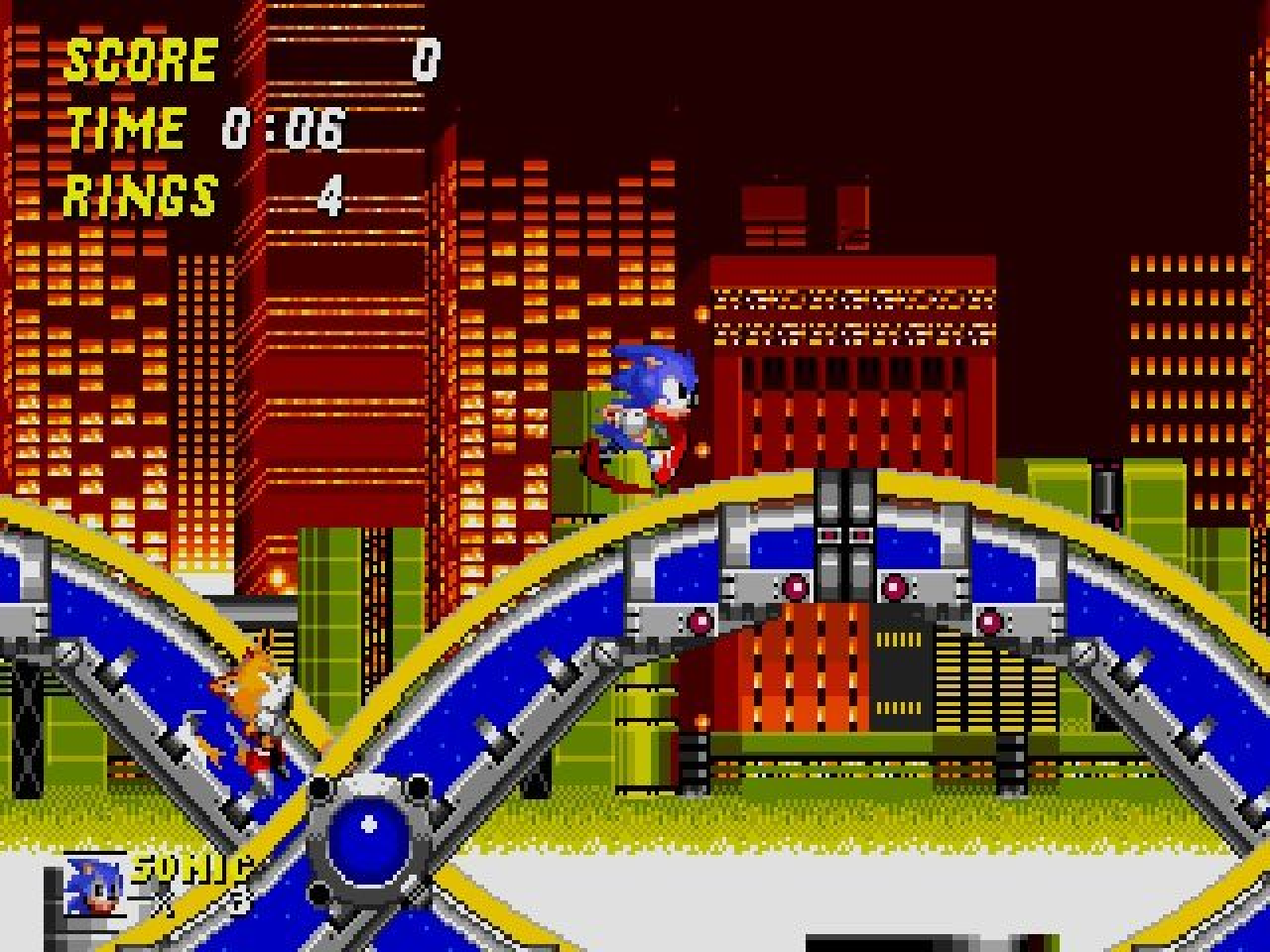
In the first game, speed took a run-up. Here you crouch, you rev — dust flying, that rising whine — and you let go. Full speed, from standing still. I still remember the first time I did it at the bottom of a Chemical Plant slope. The whole level opened up. The designers knew what they had, too. The ramps got steeper. The loops got longer. Every Sonic since has kept the move.
And the big prize. The Chaos Emeralds went from six to seven. The new Special Stages sent you down a half-pipe, chasing rings, dodging bombs, everything bending away from you in fake 3D. Get all seven and Sonic turns into Super Sonic. Gold. Invincible. Faster. In 1992, that moment felt like cheating in the best way.
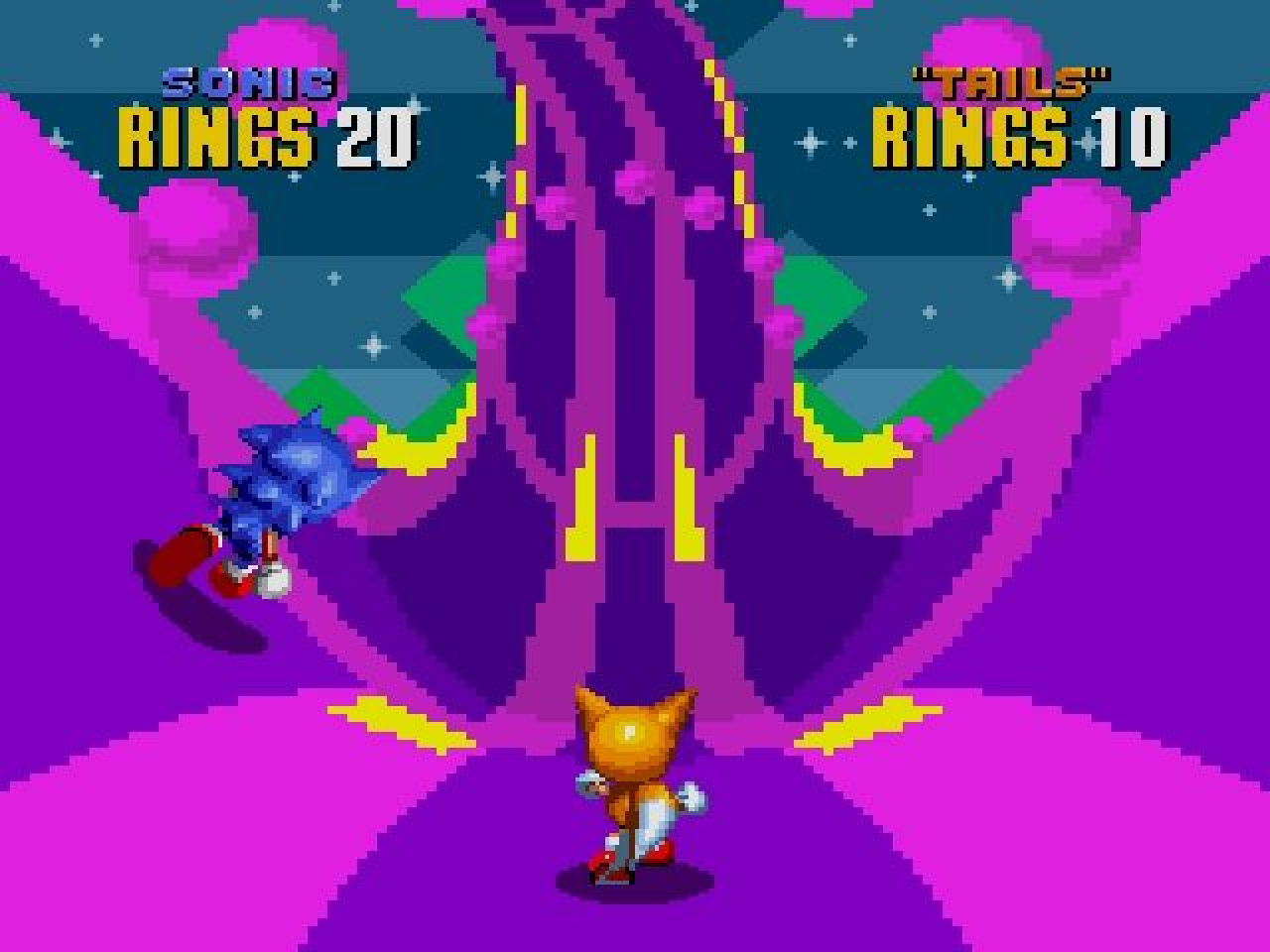
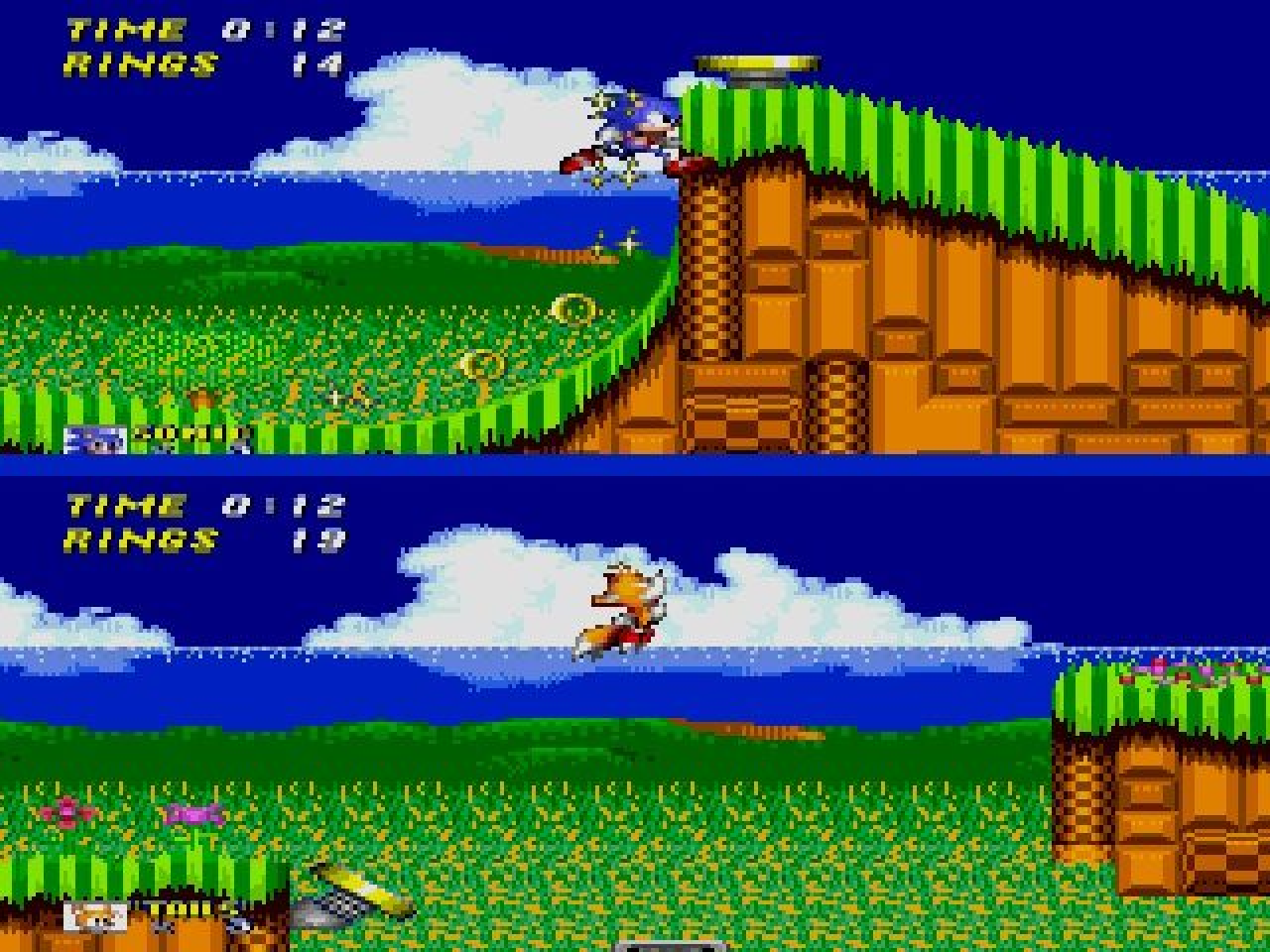
Sega squeezed in a versus mode too. Split-screen racing across three of the zones, on one TV. It used a high-resolution display mode the Genesis almost never used. The sprites squashed. The frame rate dipped. Nobody cared. We raced on it for years.
Eleven zones, and not a slow one in the run
Eleven zones. Twenty acts. One island — West Side Island — and Robotnik all over it, hunting the Chaos Emeralds to power the Death Egg, his space station.
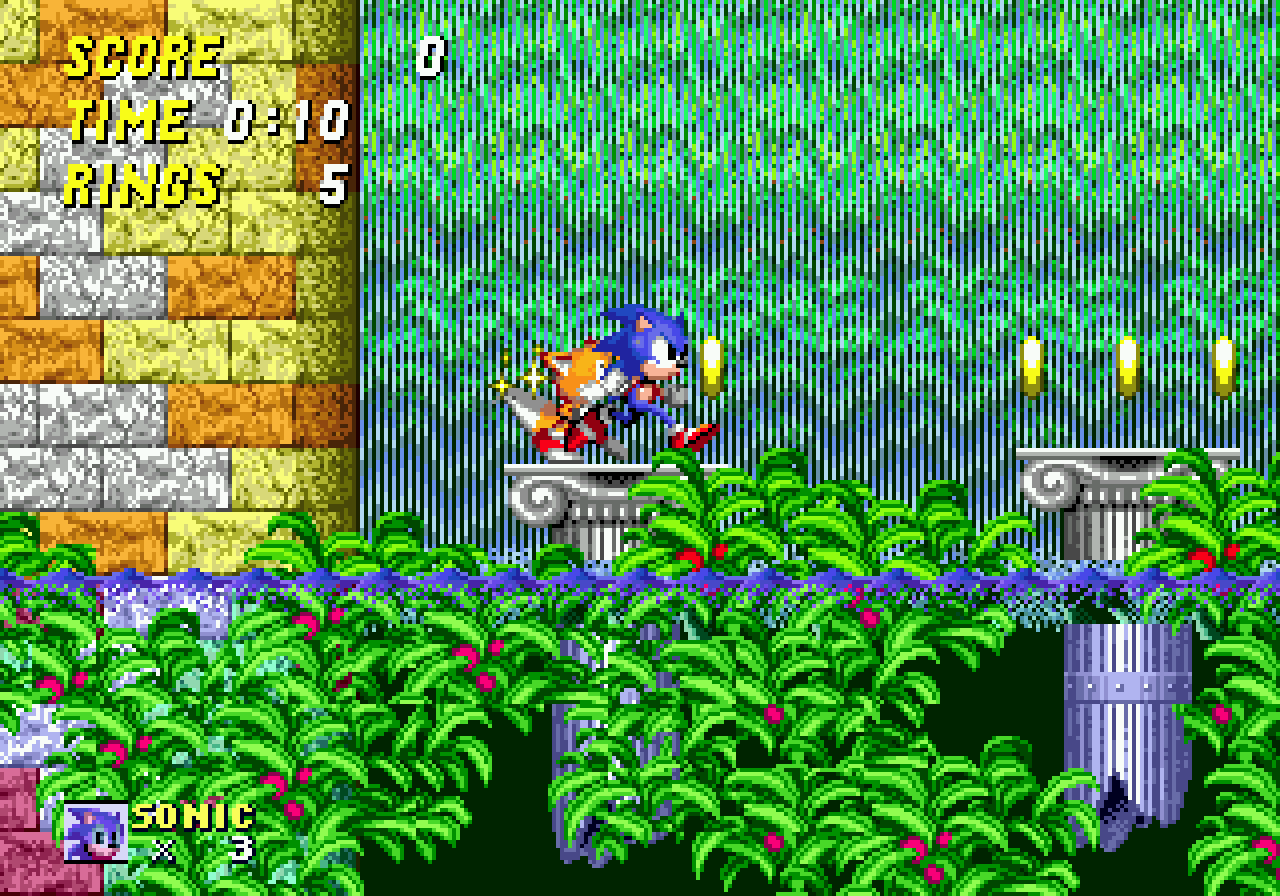
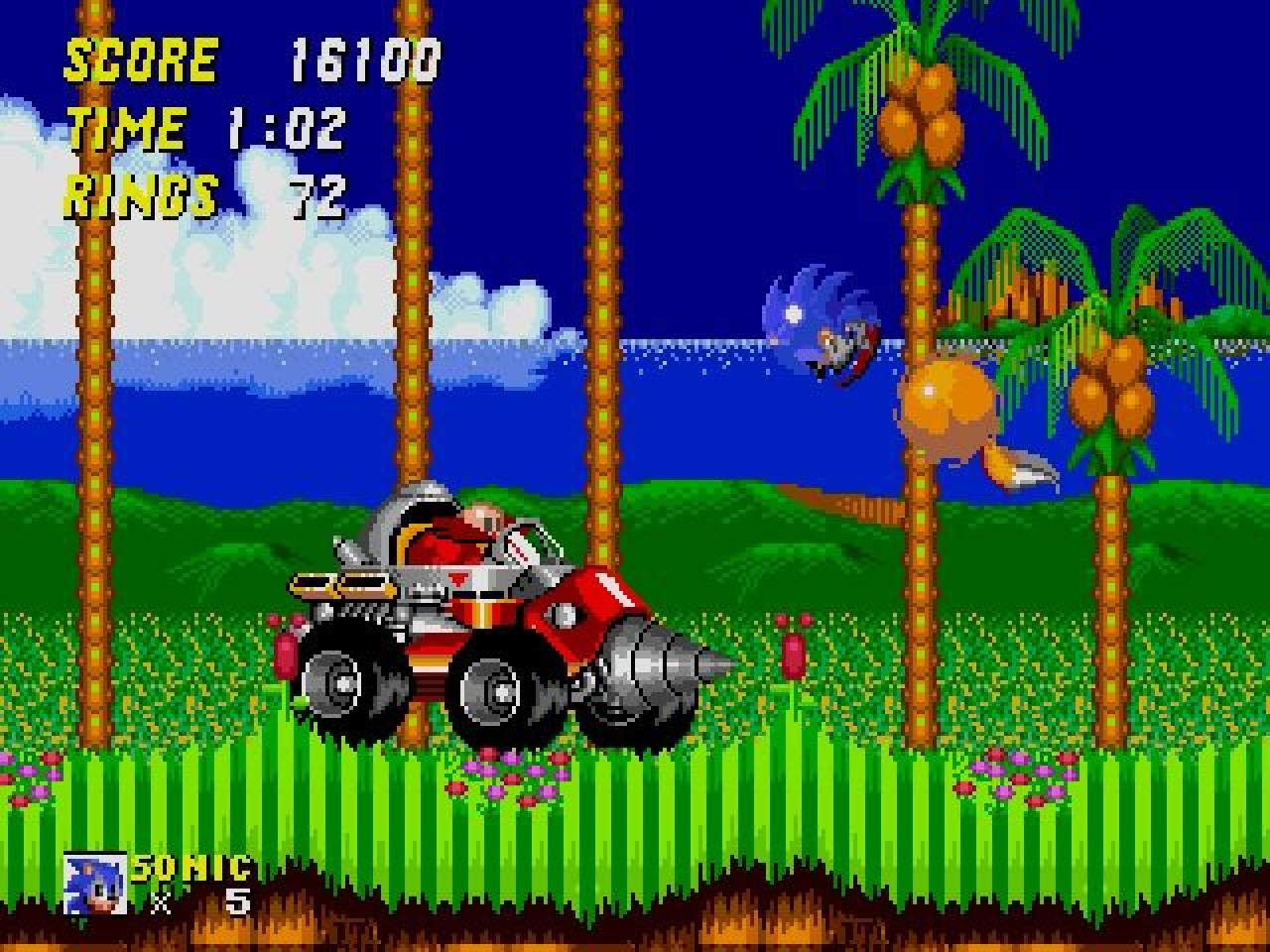
Emerald Hill is the warm-up, Green Hill with its chest out. Then Chemical Plant hits, second zone in, and it is still the level I measure this series by. That opening drop. The tubes. The music. Aquatic Ruin slows you down in flooded marble and you do not mind, it is that pretty. Casino Night turns the game into a pinball table. Hill Top has the lava. Mystic Cave has the dark. Oil Ocean glows orange at sunset, and Metropolis runs three full acts of machinery that does not want you alive.
Then the game leaves the ground. Sky Chase puts Sonic on the wing of the Tornado, Tails’ little biplane, flying straight at Wing Fortress. And the Death Egg waits at the end of it. One giant Robotnik robot. No rings. None. One hit and you are starting the fight over. Kids cried at that fight. Grown men, too, if we are being honest.
Sonic 2sday: the Tuesday Sega bought the world
The funny thing is, the plan was smaller at first. A tour of shopping malls. Sega looked at that and said no. Not big enough. Not Sega enough.
So they did the modern launch before the modern launch existed. One date for the whole West. Distribution rebuilt around it. Cartridges on planes. Japan’s release stayed quiet by comparison — November 21, ¥6,800, an 8-megabit cartridge, business as usual. The noise was saved for Tuesday.
It worked. All of it. In the US the game sold 400,000 copies in a week. In the UK it sold 750,000 in a week, at £39.99. That was 48 per cent of every game sold in the country, and the fastest-selling game Britain had ever had. Across 1992 it grossed $450 million. By August 2006 it had sold six million copies worldwide. Only the first Sonic sold more on the Genesis, and that one came in the box with the console. Two Golden Joystick Awards finished the year off.
That is the moment Sonic stopped being a character with a hit game. He became the business.
The zones that never shipped
Games made this fast leave things behind. Sonic 2 left behind a legend.
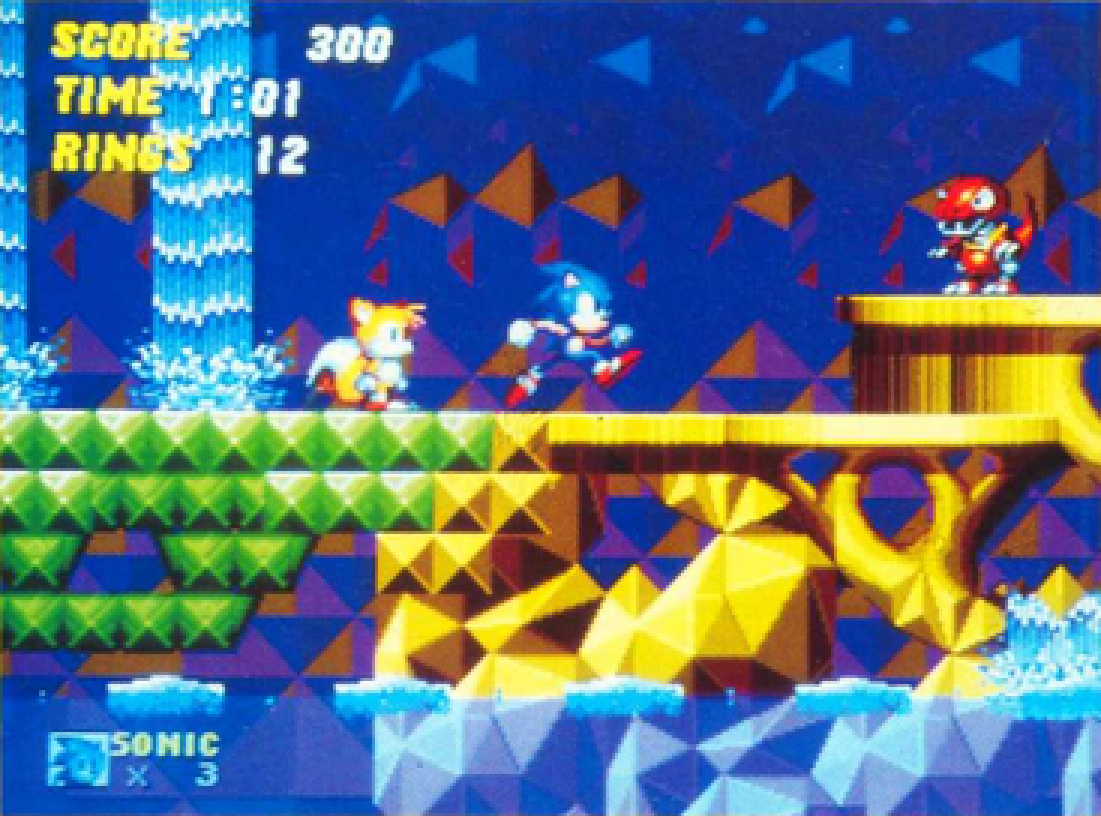
Hidden Palace Zone. A crystal cavern. It showed up in early magazine coverage, and then it was not in the game. Cut. For years that was all anyone knew.
Then the development builds got out. A prototype turned up on a Chinese website in the late 1990s — the Simon Wai prototype, from a demo cartridge stolen at a New York toy show in 1992 — and there it was. Hidden Palace, playable, unfinished. An even earlier build, the one from the TV show Nick Arcade, got dumped in 2006 and backed it up. Fans mapped every corner of the game that never shipped.
And then the lovely part. In 2013, the mobile remake of Sonic 2 finished Hidden Palace properly and hid it inside the game as a secret. Twenty-one years late, the lost level came home.
How Sonic the Hedgehog 2 plays now
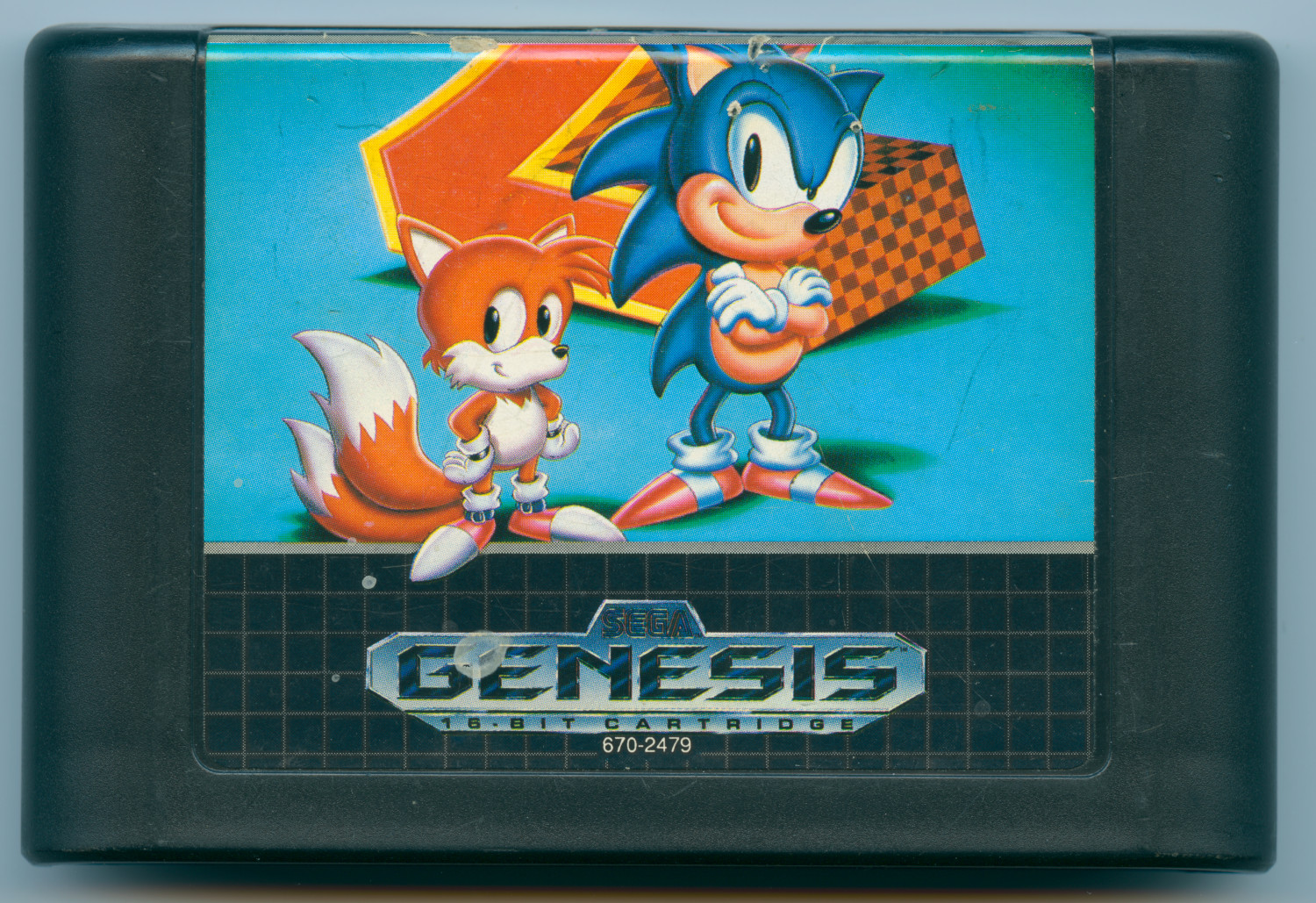
This cartridge never went away. It was bundled with consoles. It filled out compilations. And in 1994 it pulled a trick nothing else could. Slot it into the top of Sonic & Knuckles and the game becomes Knuckles the Echidna in Sonic the Hedgehog 2. The whole run again, but now you glide. You climb walls. Levels built for Sonic, broken wide open by a character who was not in them.
The 2013 remake rebuilt the game for phones, restored Hidden Palace and all. That version reached consoles in Sonic Origins in 2022. That is the easy way in now, and it is a good one.
Play it today and the first ten minutes still do it. Emerald Hill into Chemical Plant. I have played a lot of platform games. That opening run is up there with anything the 16-bit years made.
Is it perfect? No. Metropolis goes on too long. The last boss gives you nothing, no rings, no mercy. And Tails will find every single bomb in every Special Stage. We said all of this in 1992. We kept playing anyway.
That is what a launch like Sonic 2sday was really buying. Not a date on a calendar. A game that could take the noise and back it up. On November 21 it turns thirty-four. It still backs it up.
— Sal
For more launches from this date, see This Day in Gaming History: November 21. More from this system: our Genesis hub.