
Reviews
Galactic Space Wars Channel F Review: One Great Duel, One Rough Landing
Zircon’s two-game space cartridge pairs an inventive first-person duel — with a second player flying the enemy — against a lunar landing gravity won.

From the Vault columnist. Grew up feeding quarters to the Ms. Pac-Man machine at his uncle's pizza place; still owns his childhood SNES and every Nintendo Power he ever begged his mother for. Writes the retrospectives and the hidden-gem hunts.
Zircon’s two-game space cartridge pairs an inventive first-person duel — with a second player flying the enemy — against a lunar landing gravity won.
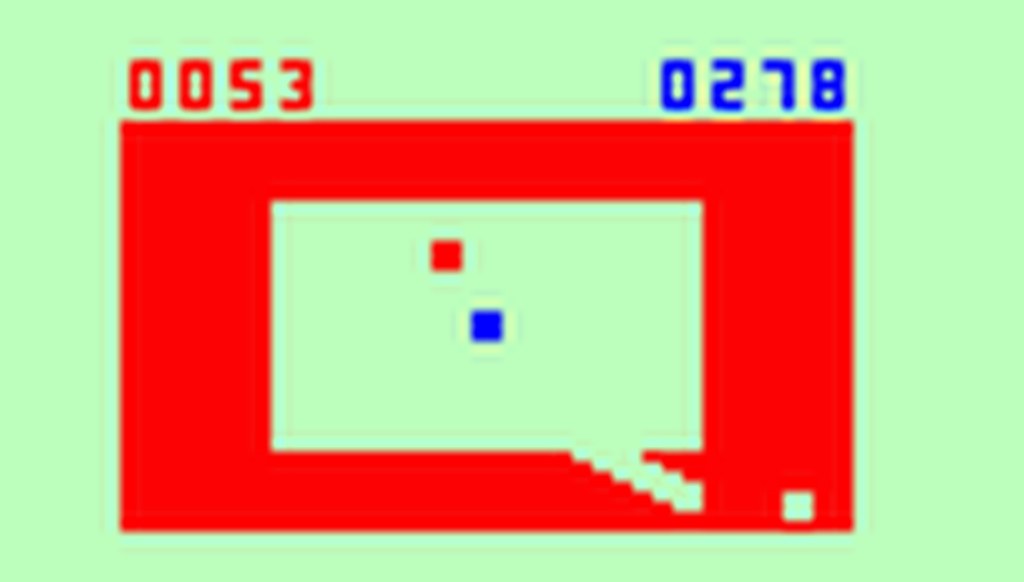
One room, one square and up to nine balls: the purest survival game of 1978, with configurable physics and the best death screen on the system.

Fairchild’s one true original: floaters, artillery and paddle-freezes in an invented sport the critics of 1981 called astonishingly unique.

The final cartridge designed for the Channel F is a complete Space Invaders — barriers, mothership and a brilliantly greedy two-player mode — on 1976 hardware.

A real-time spy thriller, Solid Gold classics at full width, the productivity trio that paid for the machine, and a 2012 demo that out-resolved the Amiga’s text modes.
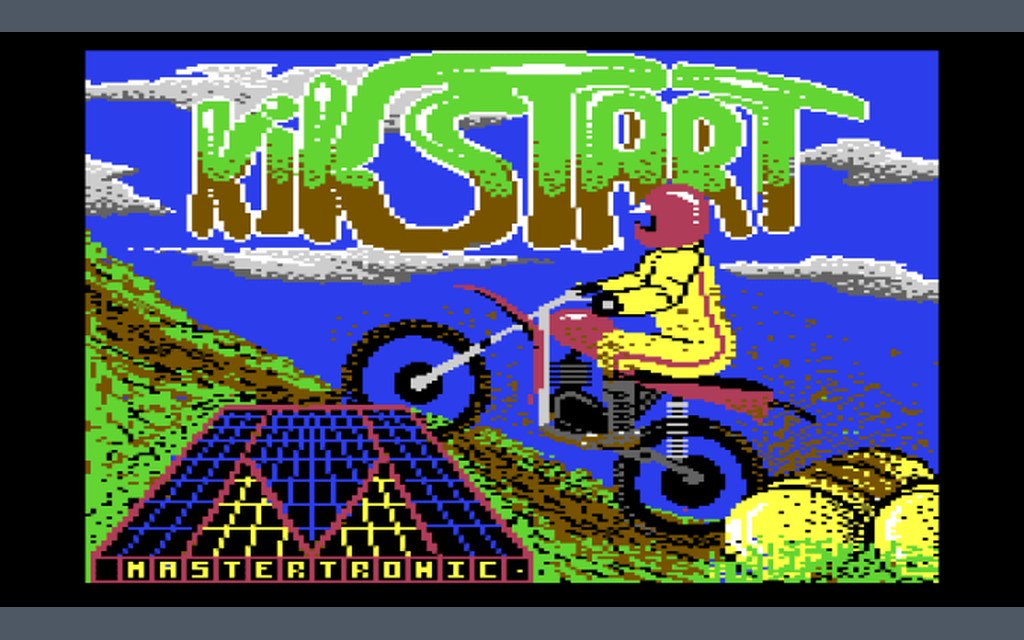
Around two hundred native games against the C64’s tens of thousands. The full autopsy of the emptiest shelf in Commodore history — and why it’s so instructive.
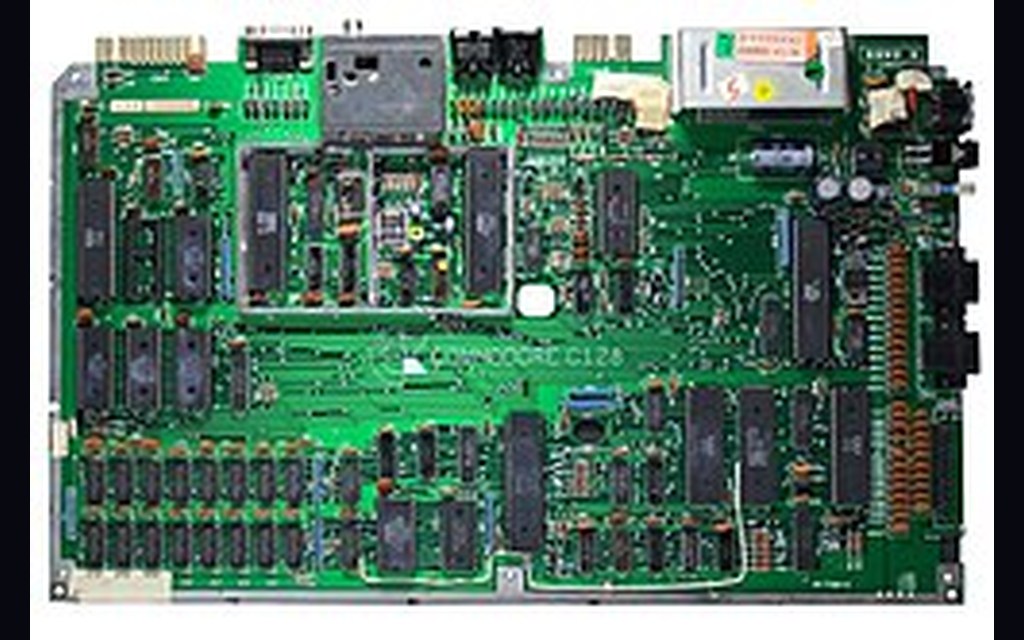
The 128’s second gear scrambles the 40-column screen — so programmers learned to compute in the borders, in the dark, and on the VDC. Inside the FAST command’s lore.
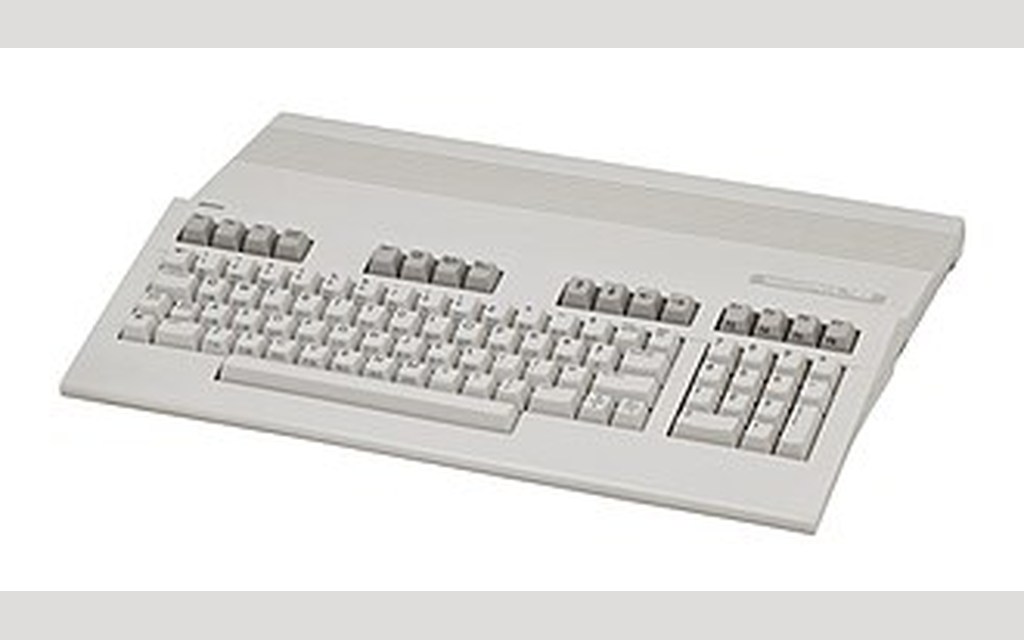
It sold in the millions, stayed in production four years, and still became a footnote to the C64. How a successful computer disappears.

A tiny scene with towering landmarks: how a handful of programmers spent thirty years discovering what Commodore’s text chip could really draw.

Bundled, cloned, extended, freed and finally reverse-engineered into open source — the full life of the platform that gave the 128 its serious side.