
Reviews
Hangman Channel F Review: Six Wrong Letters
The era’s best video hangman: 160 built-in words, 30 of your own cruel ones, and letters only this text-fluent console could draw so clearly.

From the Vault columnist. Grew up feeding quarters to the Ms. Pac-Man machine at his uncle's pizza place; still owns his childhood SNES and every Nintendo Power he ever begged his mother for. Writes the retrospectives and the hidden-gem hunts.
The era’s best video hangman: 160 built-in words, 30 of your own cruel ones, and letters only this text-fluent console could draw so clearly.

A tactile biplane duel with a control-column stick and a computer opponent that sharpens as you pull ahead — adaptive difficulty in 1977.

A $500 pot and the clearest cards on any 1976 television: the founding home card game, scored a perfect ten by the critics of its day.

Four gears, one redline and a blown engine for the greedy: racing stripped to its single true skill, surprisingly intricate for 1977.

It is not pinball — it is Breakout with adjustable speed, paddle and brick visibility, and it outsold every other cartridge on the system.
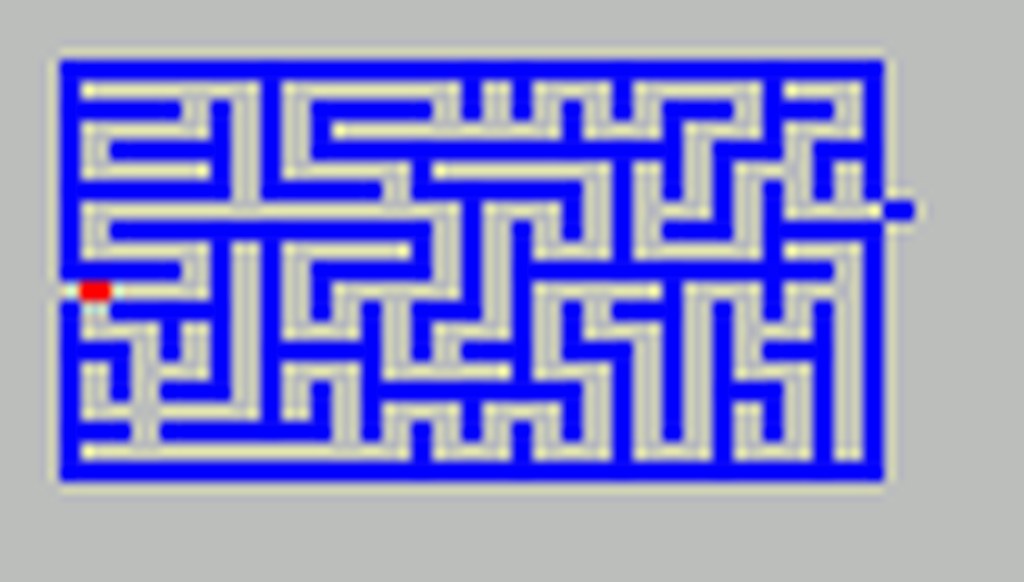
Randomly generated mazes, a hunting cat and a mode where the walls are invisible: the most replayable cartridge of the Channel F’s first year.

You cannot shoot — you can only lure four hunting robots into the force fields. A brilliant inverted arena, plus Torpedo Alley’s brisk torpedo duel.

Two ships, one asteroid field and star bases worth fighting over: the foundational two-player duel that thrilled 1978 and still plays with a partner.
Fastballs, curveballs and change-ups thrown by twisting the stick, walks and hit batsmen in the rulebook — and a perfect 10 from the critics of 1978.

A plain lane diagram with one inspired trick: the twisting controller curves the ball mid-roll, plus a challenge-shot mode ahead of its time.