Features
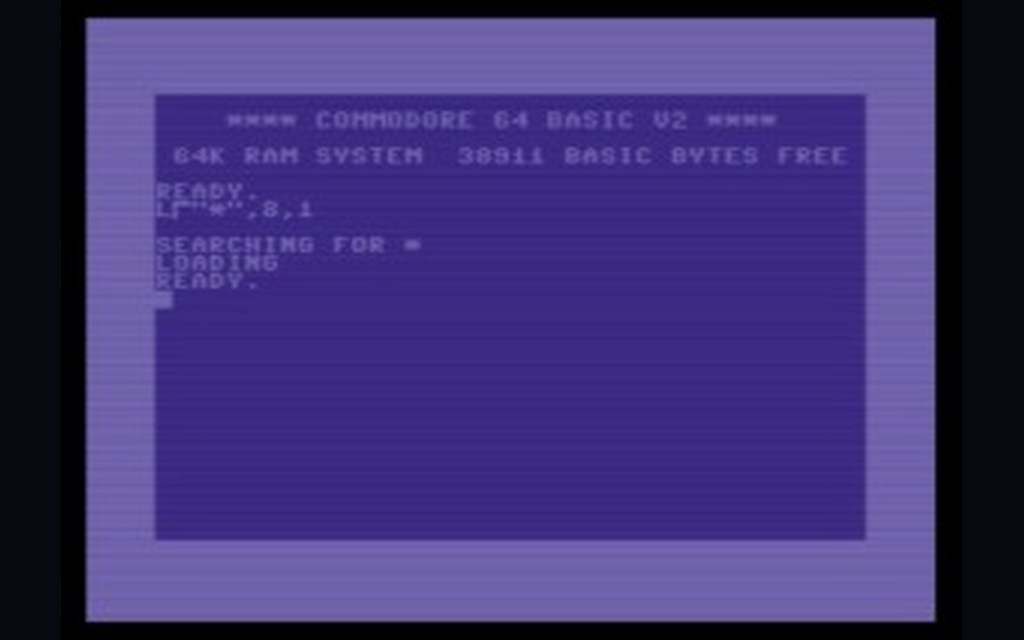
GO64: The Compatibility Mode That Sold the Machine
Near-perfect C64 compatibility made the 128 a risk-free purchase — and quietly ensured its native library would never grow up. The triumph and the trap.

From the Vault columnist. Grew up feeding quarters to the Ms. Pac-Man machine at his uncle's pizza place; still owns his childhood SNES and every Nintendo Power he ever begged his mother for. Writes the retrospectives and the hidden-gem hunts.
Near-perfect C64 compatibility made the 128 a risk-free purchase — and quietly ensured its native library would never grow up. The triumph and the trap.
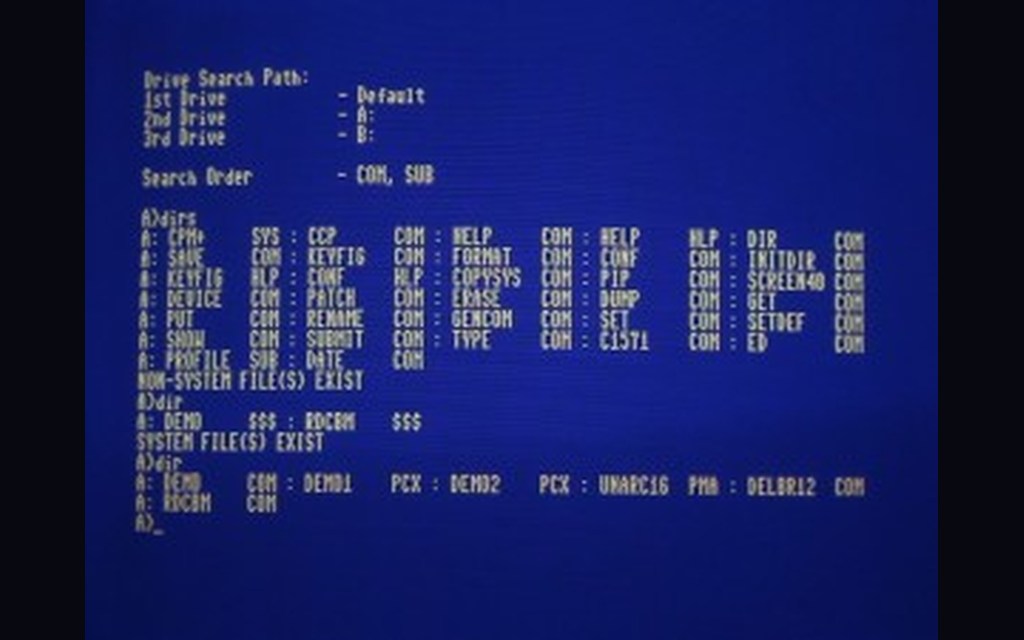
Boot a CP/M disk and the toy-shop computer becomes a WordStar workstation with a thousand-title business library. Inside the C128’s strangest, most serious mode.

Structured loops, sprite and SID commands, a civilised disk dialect and a machine-code monitor in ROM — BASIC 7.0 answered every complaint ever filed against BASIC 2.0.
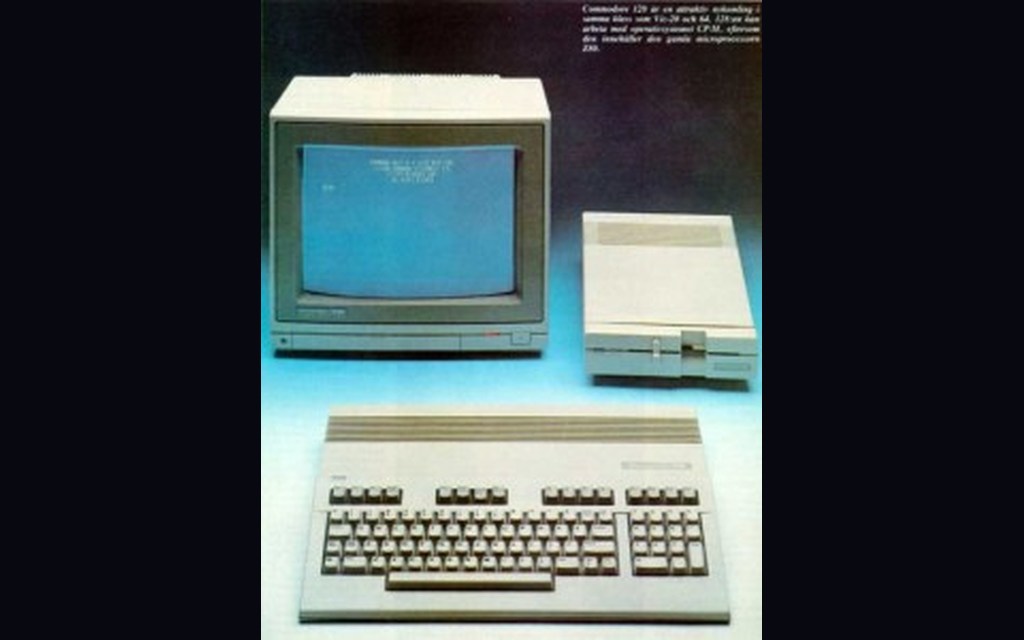
Berkeley Softworks’ graphical operating system, judged as the product it was: slow, sealed, and the most important software the Commodore 128 ever ran.
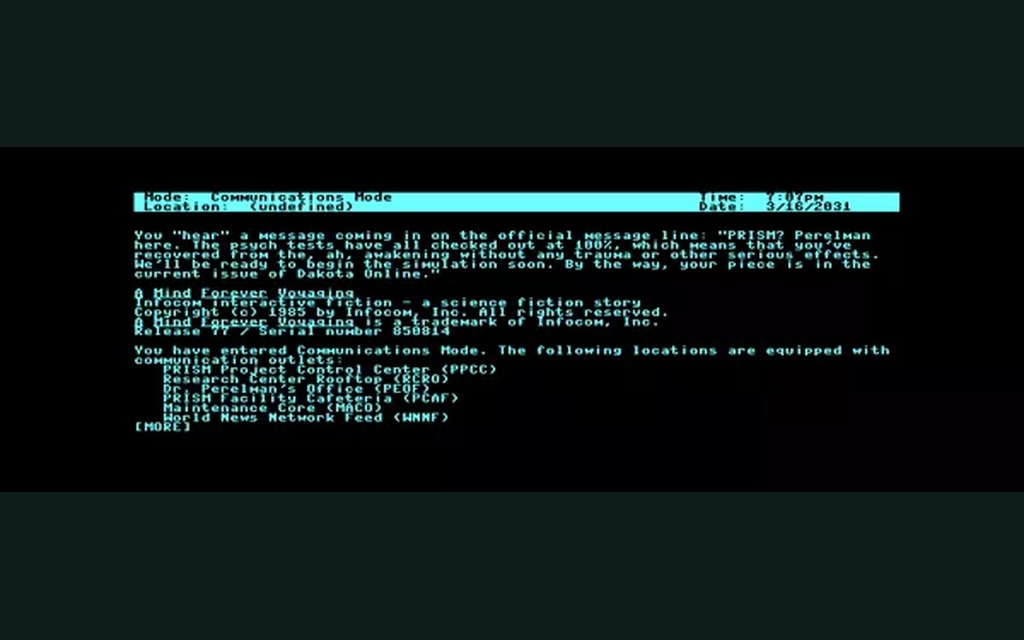
The first Interactive Fiction Plus game was built for 128K machines — on Commodore, only the 128 qualified. Steve Meretzky’s quiet dystopia remains a landmark.

Brian Moriarty’s atomic-age prose poem is among the finest interactive fiction ever written — and the C128’s 80-column screen is one of its true homes.
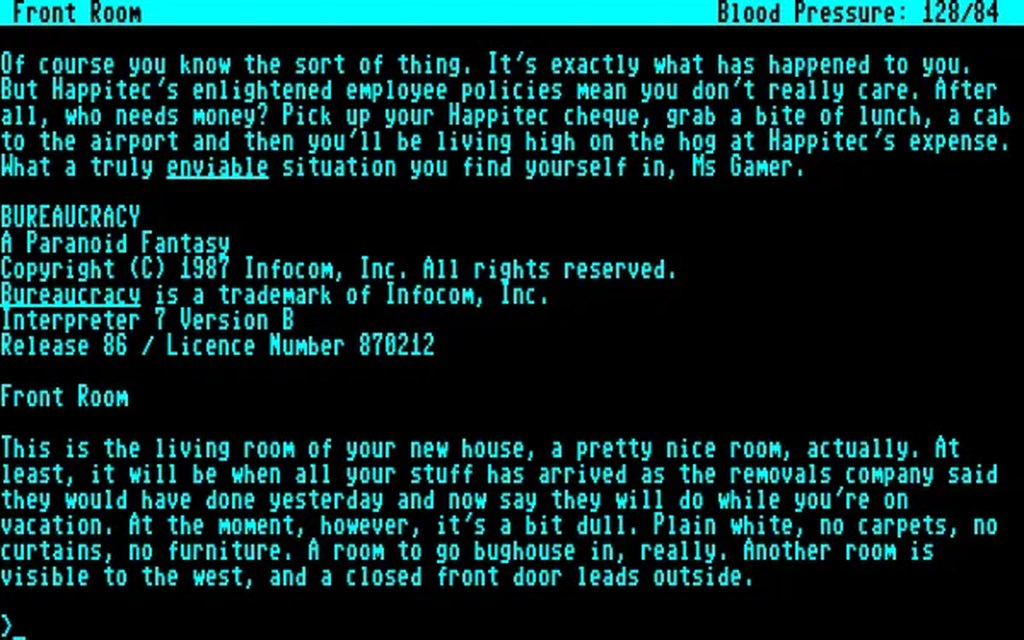
Douglas Adams turned his own bank’s incompetence into the only adventure game where paperwork raises your blood pressure — a 128K Plus title the C64 couldn’t run.
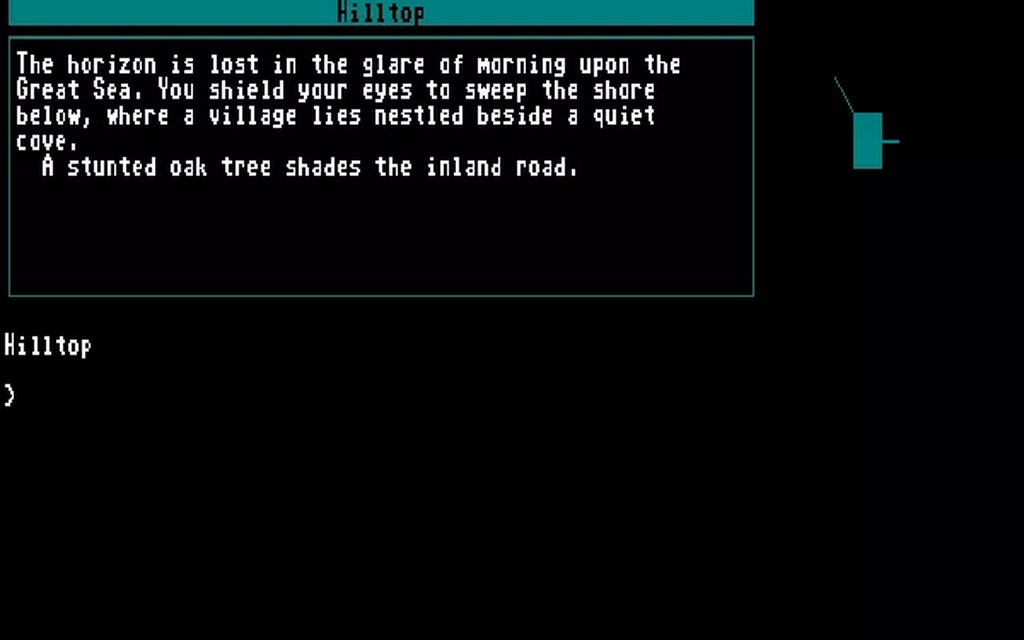
Brian Moriarty’s RPG-text hybrid never got a C64 version at all — its self-drawing map and colourful attribute bars made the C128 look like the future of interactive fiction.

The same disks as the C64 version — but on a C128 you get Kenneth Arnold’s full soundtrack and far less disk swapping. The definitive 8-bit Ultima V.

CRL rebuilt its Rocky Horror adventure for the C128 with completely reworked graphics and new rooms — the prettiest way to do the Time Warp on 8-bit.