
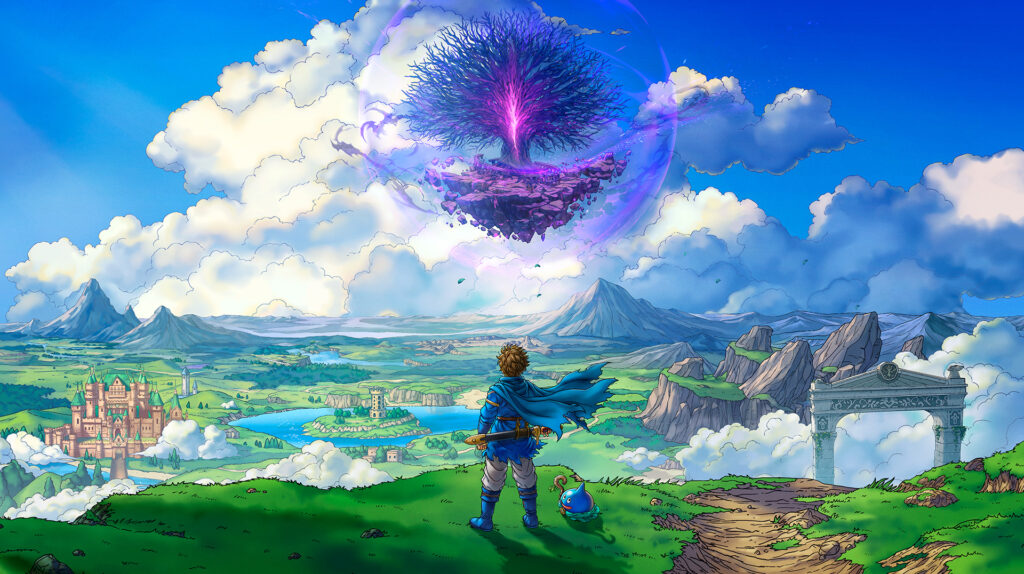
At a glance — Game: Dragon Quest RPG: The Cursed Tree and the Chosen Isle · Launch: 2027 · Platforms: iOS, Android · Price: Free to play (in-app purchases available). Closed beta runs December 8–15, 2026, for 25,000 players; applications close November 23.
Yasunori Mitsuda has said the quiet part out loud. The composer of Chrono Trigger — a man who built one of the most loved scores in games alongside Dragon Quest creator Yuji Horii and artist Akira Toriyama — has written on his own Procyon Studio blog that imitating the late Toriyama’s style for the new mobile Dragon Quest RPG does no favours to anyone involved, and that the 40-year-old series might be better off ending so Horii can build something new instead.
This is not a drive-by comment from outside the family. Mitsuda worked under Dragon Quest composer Koichi Sugiyama early in his career, then scored Chrono Trigger in 1995, with Toriyama designing its cast and Horii on its celebrated “Dream Team” of designers. When someone with that history questions whether Dragon Quest should continue at all, it is worth hearing exactly what he said — and what he did not.
What Mitsuda actually said about a Dragon Quest end
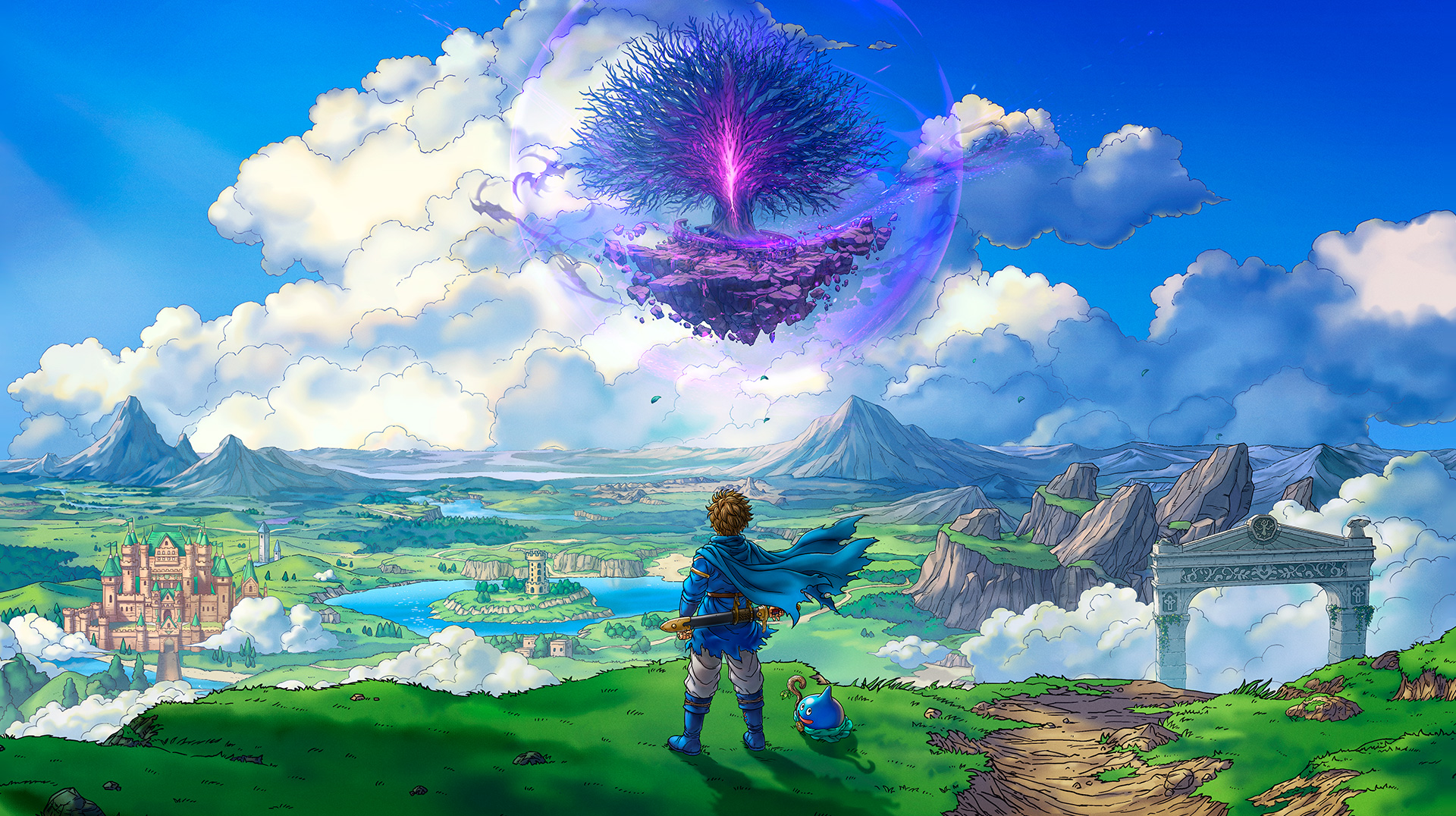
The flashpoint is Dragon Quest RPG: The Cursed Tree and the Chosen Isle, announced by Square Enix on November 10. It is a classic-style, turn-based Dragon Quest for phones: explore a wide world, fight with Fast Strike skills and pep powers, and bring the spoils home to build up your base. Yuji Horii is the game’s general director. On paper, it is exactly the kind of full-fat spin-off fans say they want while they wait for Dragon Quest XII.
The argument is about the pictures. The new hero is drawn in Toriyama’s trademark style, and Mitsuda’s objection is to the imitation itself:
“Dragon Quest RPG’s Toriyama-san-styled illustration has become a hot topic, but for the illustrator, for Akira Toriyama fans, and for the now-deceased Akira Toriyama himself, I don’t feel this is a good direction for everyone involved… it might be time to end the Dragon Quest series, and for Yuji Horii to create a new RPG.”
His reasoning, in the same short post, is that nothing genuinely new can be created inside another artist’s hand — however skilled the imitation, it is still an imitation. He added, pointedly, that there are a lot of remakes out there already. And he closed as a fan, not an enemy: what matters, he wrote, is that the younger generation of children who play these games from now on are given dreams and hope, and experiences that can only be had through games.
The sword that doesn’t fit its scabbard
Mitsuda did not start this argument; he gave it a famous name. Japanese fans have been picking at the new protagonist’s illustration since the announcement, and their most repeated complaint is a small, telling detail: the hero’s sword does not fit its scabbard. The hilt is oddly proportioned, the blade too large for the sheath drawn beside it — the kind of practical slip, fans argue, that Toriyama, a famously mechanical-minded draftsman, would never have let through.
From there the theories branch. Some fans suggest the design was refurbished from Toriyama’s own unused sketches. Others have speculated online that generative AI had a hand in the artwork — Horii has spoken positively about the technology in the past, which keeps the rumour fed. To be plain about the state of the evidence: none of that is proven. No source has established how the illustration was made or by whom, and Square Enix credits the game’s character designs to Toriyama. What is established is narrower and, for Square Enix, more uncomfortable — a large number of the series’ most devoted fans looked at the new hero and felt something was off, and a composer they revere has now told them they are not wrong to feel it.
Why Dragon Quest can’t just change its clothes
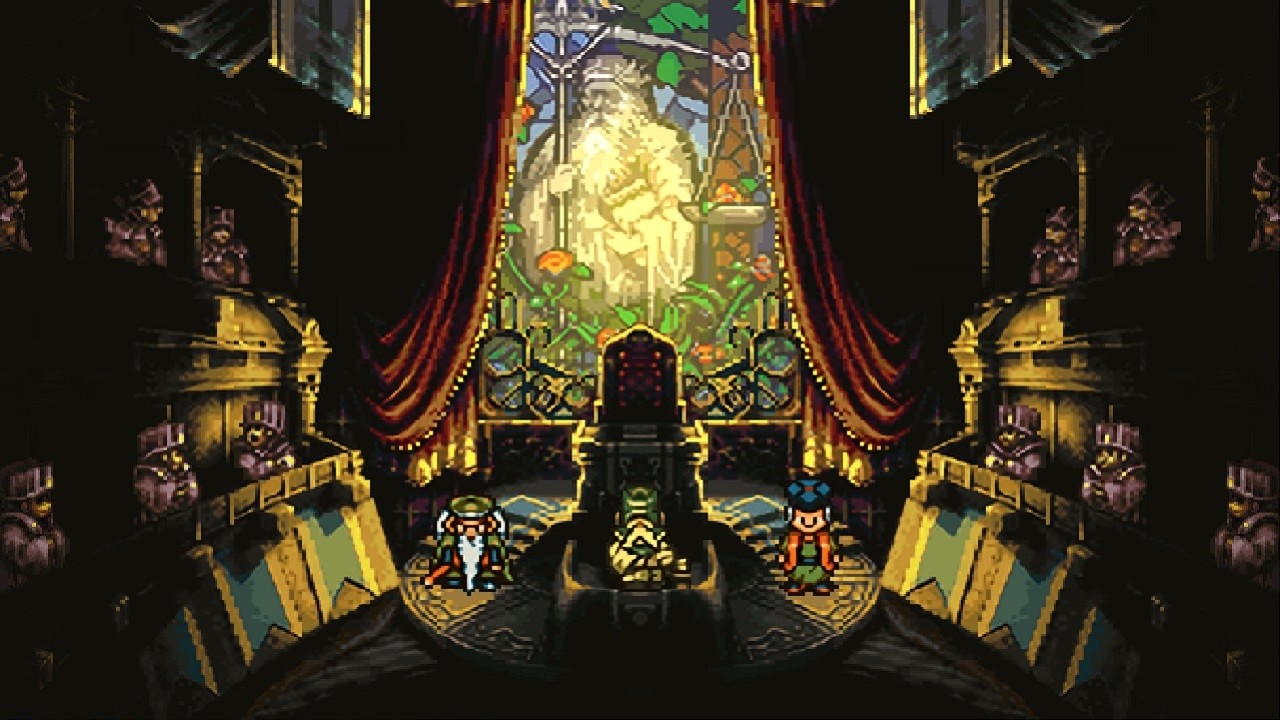
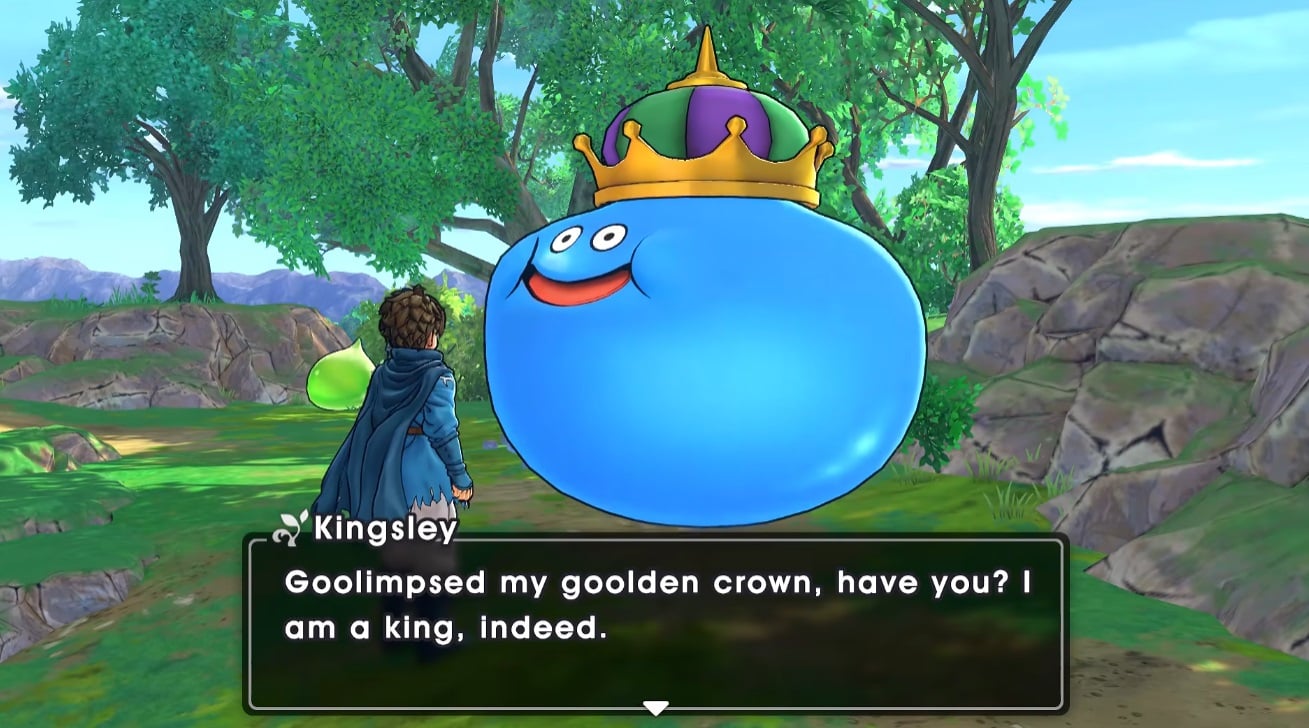
Other long series survive losing their look. Final Fantasy has changed art direction half a dozen times and nobody calls it a different series for it. Dragon Quest is built differently. Since the first game launched for the Famicom on May 27, 1986 — designed by Horii, drawn by Toriyama, scored by Sugiyama, and published by Enix — the series has had one face. Toriyama designed its heroes and, just as importantly, its monsters: the smiling blue Slime he drew in 1986 is still the mascot, still on the key art of the new mobile game, forty years and more than 100 million shipped copies later.
That continuity was the series’ promise: the same three names on every box. It is also now its problem. Sugiyama is gone. Toriyama died on March 1, 2024, at 68. Of the trio who defined what Dragon Quest looks, sounds and feels like, only Horii remains — still working, still the general director of the new game, and, as he has said himself, intending to oversee the series until its 50th anniversary in 2036. Mitsuda’s question lands precisely there: if the look cannot evolve because it belongs to a man who has died, and cannot be handed over because any successor is only copying him, what exactly is being preserved?
The case against ending it
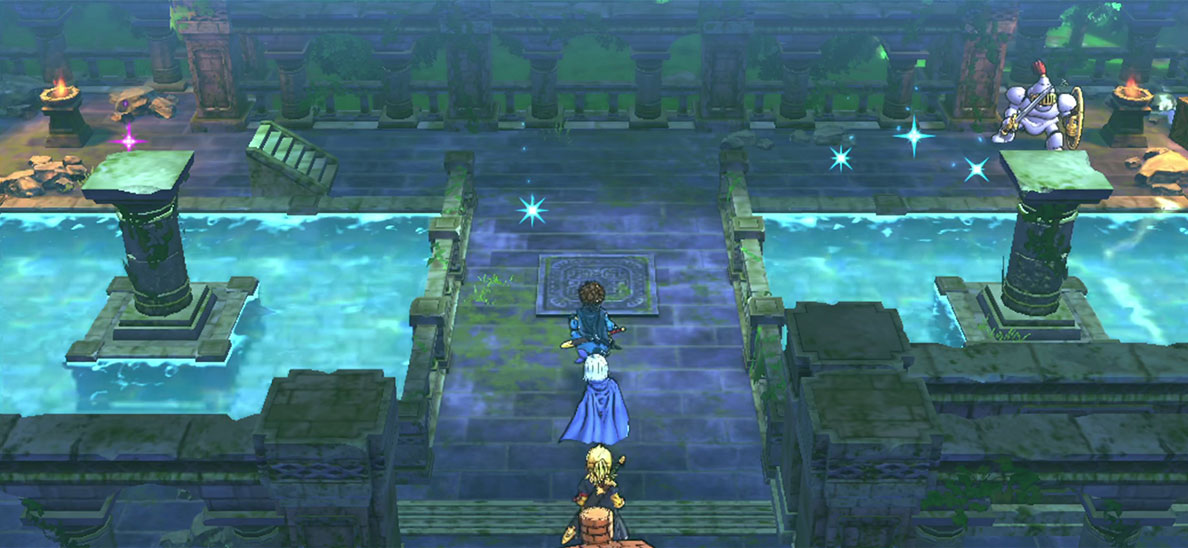
Plenty, say the other side of the argument — starting with the obvious: Dragon Quest is not a museum piece struggling for an audience. It is in its 40th anniversary year, holds the Guinness record as the longest-running Japanese RPG series, and a new mainline game, Dragon Quest XII, is in development with Horii at its head. The remakes Mitsuda gently mocks exist because people keep buying them. Ending the series to protect Toriyama’s legacy would also end the thing that keeps that legacy in front of new players — including the children Mitsuda wants to hand dreams to, many of whom will meet the Slime first on a phone, exactly as this new game intends.
There is also a fairness point buried in Mitsuda’s own wording. He says the current direction is not good “for the illustrator” — the living artist asked to draw like a dead master, judged against the master on every line. But the alternative he proposes, a brand-new Horii RPG in a new style with a new artist, does not require Dragon Quest to die to happen. Horii creating something new and Dragon Quest continuing are only in conflict if you believe the series cannot change — which is the very assumption under dispute.
Inherit the philosophy, not the style
That, in the end, is the real argument the scabbard started. Toriyama’s contribution to Dragon Quest was never just a set of shapes — the round monsters, the bright skies, the heroes who look like they wandered in from a gag manga. It was a philosophy: an RPG anyone could pick up, warmth instead of grit, monsters you would rather hug than fear. A series that inherits the philosophy can survive a new hand. A series that only inherits the style becomes what Mitsuda fears — a signature traced over, one game at a time, until the tracing is all that is left.
Square Enix will not end Dragon Quest; a 100-million-selling series in its anniversary year does not get retired because of a blog post, even this one. But Mitsuda has put the question on the record in a way it cannot now be un-asked, and every new Toriyama-styled illustration from here on will be measured against it — scabbard first. Our own shelf of the series’ history, including the 16-bit RPGs that still outclass modern games, is a reminder of what the original trio built. What gets built next, and in whose hand, is Horii’s call to make — and for the first time in forty years, it is a genuinely open question.
— June