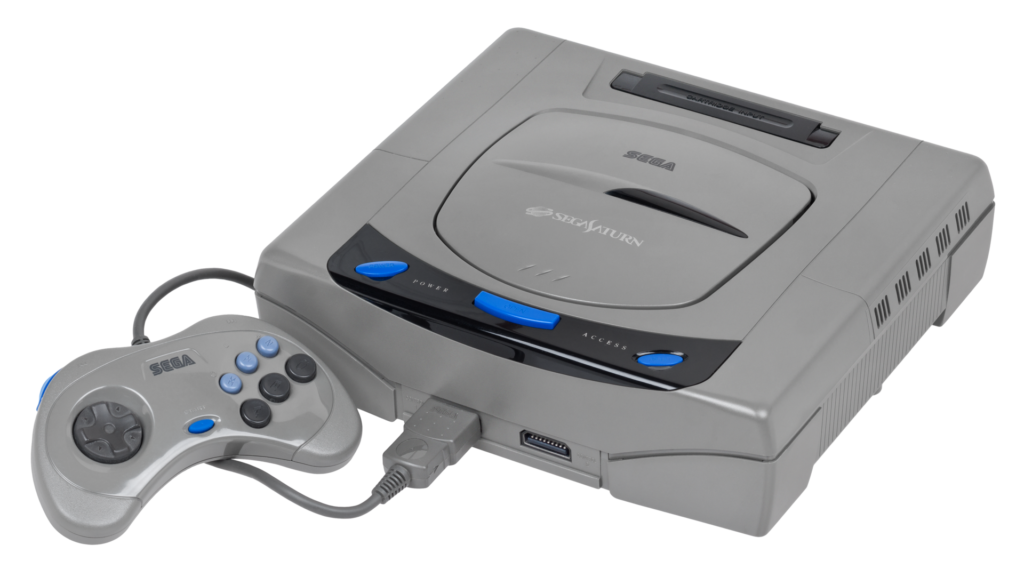
- Console: Sega Saturn, Japanese first model (HST-3200)
- Manufacturer: Sega
- Launch date (Japan): November 22, 1994
- Launch price: ¥44,800
- CPU: 2× Hitachi SH-2, 32-bit RISC, at 28.6 MHz
- Graphics: VDP1 (sprites and polygons) and VDP2 (backgrounds), each at 28.6 MHz
- Memory: 2 MB RAM, 1.5 MB VRAM, 512 KB sound RAM
- Sound: Motorola 68EC000 sound controller with Yamaha SCSP, up to 32 channels
- Media: CD-ROM, double-speed drive
Grey box. Blue buttons. Gone in a day.
That was the Sega Saturn in Japan, thirty-two years ago today, on November 22, 1994. The price was ¥44,800, which was a lot to ask for a games machine in 1994. It made no difference. The first shipment, 200,000 units, sold out on the first day, and most of those buyers were really there for one game: Virtua Fighter, Sega AM2’s polygonal arcade fighter, which by then was close to a national obsession.
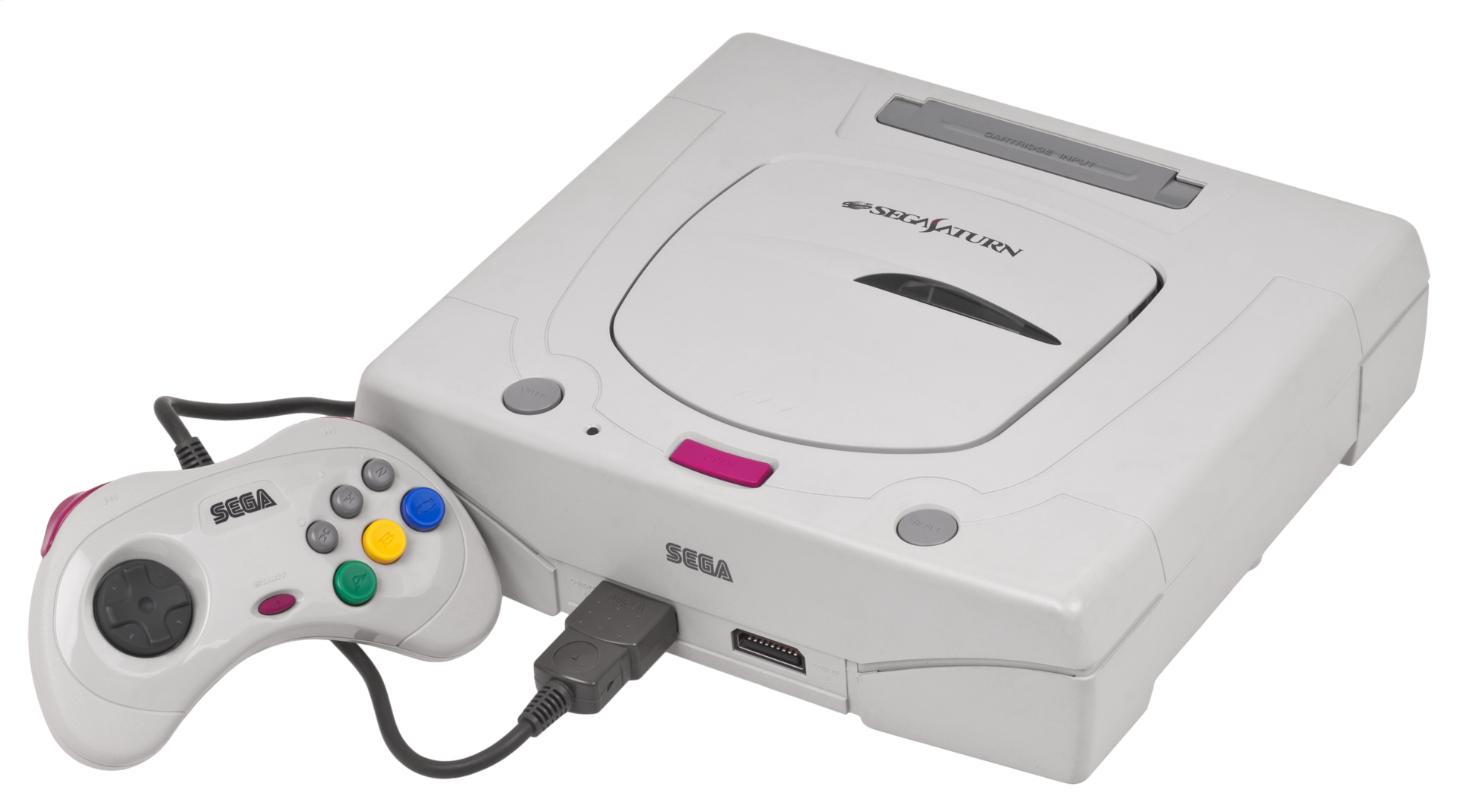
The hardware is where I always start, so start there. The Japanese launch model, the HST-3200, is the handsome Saturn. Grey shell, blue oval buttons, a grey pad that matches. The black machine most Western readers picture came later, and it belonged to a different launch, a messier one. This one was clean. It knew what it was for.
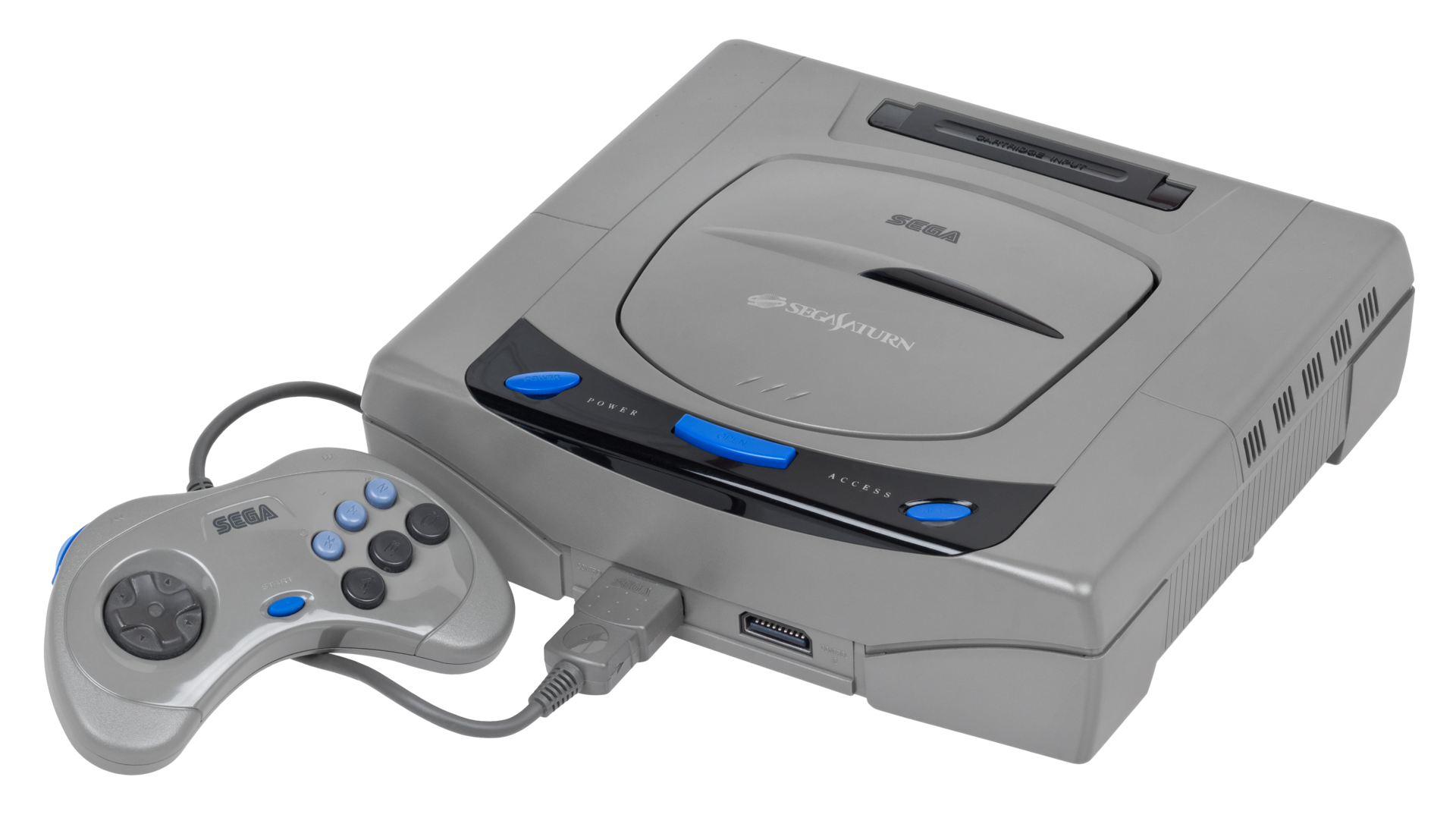
Why Did the Sega Saturn Japan Launch Sell Out in a Day?
Virtua Fighter. That is most of the answer.
It had been packing arcades since 1993, the first 3D fighting game, and the Saturn port was not a perfect copy of the Model 1 original. Up close you could see the joins. At home, on your own television, it still felt like a small miracle. It sold at nearly one copy for every console at launch. In buyers’ minds the machine and the game were one product.
The rest of the shelf was thin, mind you. There was the adventure game Wan Chai Connection. A port of Myst. The puzzler Tama. A mahjong title, Mahjong Goku Tenjiki. Sega had wanted Clockwork Knight and Panzer Dragoon there on day one, and neither made it. Nobody much cared. One great game, the right game, and by the end of 1994 Sega had sold half a million Saturns in Japan.
Two of Everything: The Hardware Under the Lid
Take the lid off and the Saturn’s whole philosophy is staring at you. One processor good? Fit two. The machine runs a pair of Hitachi SH-2 chips at 28.6 MHz, master and slave, and behind them sit two separate video processors. The VDP1 draws sprites and polygons. The VDP2 does backgrounds, scroll planes, rotation. Then add a Motorola 68EC000 running the sound, a Yamaha SCSP chip good for 32 channels, a dedicated SH-1 looking after the double-speed CD-ROM drive, and a system control unit trying to keep the committee in order. Count it all up and you get the famous eight processors.
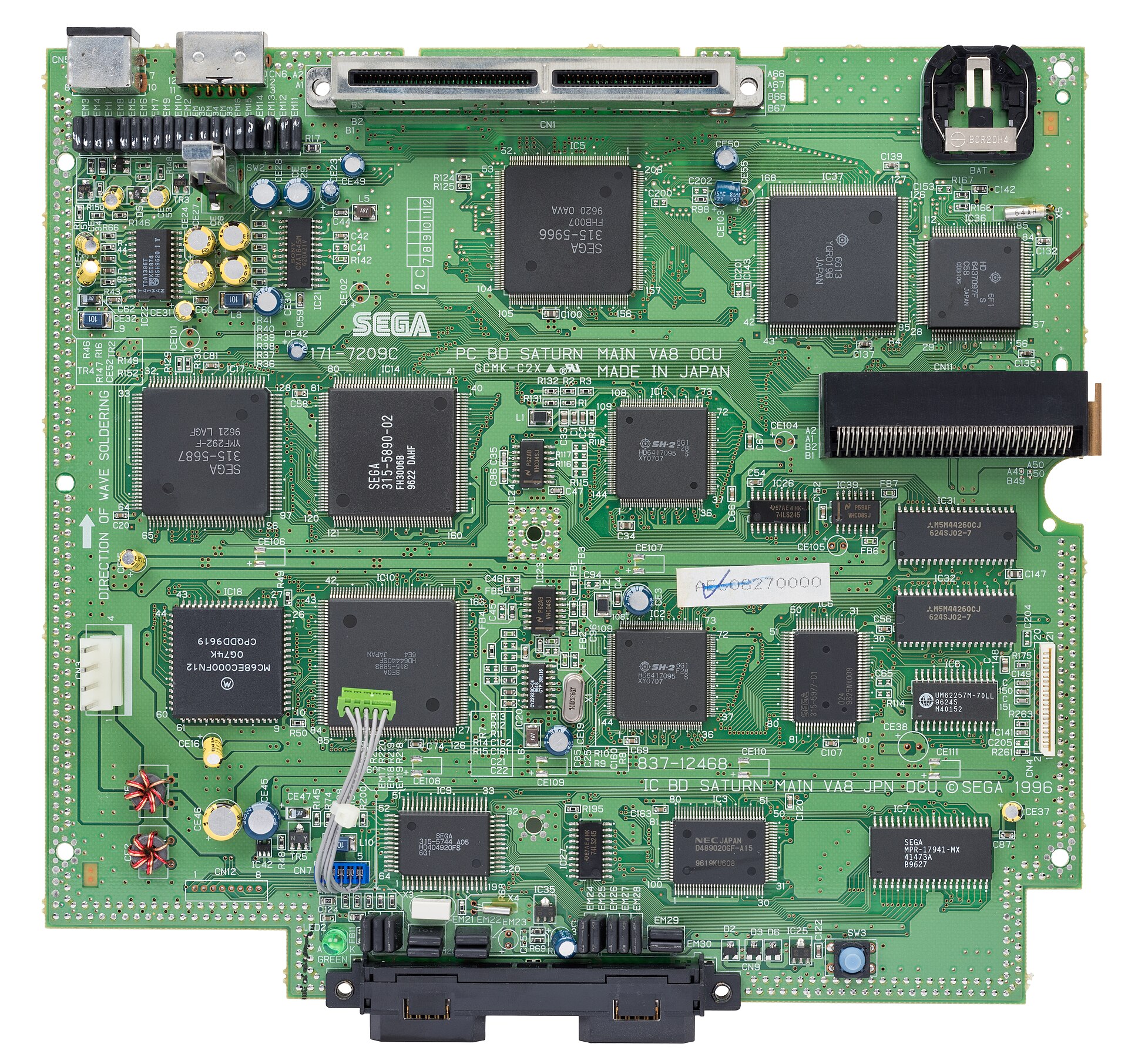
The memory was split the same way. 2 MB of main RAM. 1.5 MB of video RAM. 512 KB set aside for sound. In the right hands this was a formidable 2D machine and a perfectly capable 3D one. In a hurry, it was a puzzle. Getting the second SH-2 to do useful work instead of sitting idle took real effort, and plenty of early software never bothered. Brilliant and awkward at once. That is the Saturn in one sentence.
Two details get less credit than they should. First, the cartridge slot behind the disc lid. It was not for games. It took memory expansion cartridges and backup storage, and years later it gave Japanese fighting games room to breathe, Capcom’s conversions running close to their arcade originals. Second, the medium. Sega bet the whole machine on CD-ROM while cartridges still ruled, and the double-speed drive, slow as it feels now, was the future arriving early. Bigger games. CD-quality sound. Prices cartridges could not match.
And no, it did not start out this complicated. The second video processor went in during early 1994, once Sega had seen what Sony’s forthcoming PlayStation could do with 3D. Part of the Saturn is a machine redesigned mid-flight, built to answer a rival that had not launched yet. Which is where the calendar matters.
Eleven Days of Clear Air, Then Sony Arrived
Sega moved first. Saturn, November 22, 1994. Sony’s PlayStation followed on December 3, 1994, eleven days later, at ¥39,800. That is ¥5,000 less, and the price gap is usually where this story turns into a Sega defeat. In Japan, at first, it was nothing of the kind. By the end of 1994 the Saturn had sold about 500,000 units in Japan against roughly 300,000 PlayStations. Saturn sales passed one million within the following six months.
Japan stayed the stronghold for the machine’s whole life. Of the 9.26 million Saturns sold worldwide, 5.75 million were sold in Japan. Read that again. The console that struggled so visibly in the West was, at home, a genuine contender, with a deep library much of which never left the country. Virtua Fighter 2 became the console’s best-selling game at 1.7 million copies. The fighters, the shooters, the role-playing games kept coming for years.
The Grey Box Got the Hard Part Right
Hardware people judge a launch by the silicon. I do it myself. By that measure the Saturn was a fascinating mess: powerful, eccentric, hard work. But a launch is not a spec sheet. A launch is a date, a price, a shelf, and one game people cannot leave the shop without. On November 22, 1994, Sega got all of that right in Japan. First to market. The arcade’s biggest game, at home. 200,000 machines, gone in a day.
Plenty of us still keep a Japanese Saturn under the television, and it is not nostalgia for the launch queue. Sega’s bet that day, arcade games brought home properly, paid out for years in Japan. Conversion after conversion. A 2D library with few equals. A six-button pad that fighting game players still measure other pads against. The grey machine was built for the audience that bought it on day one, and that audience stayed.
Ask anyone who imported one back then and they will tell you the same thing. The grey machine felt like the real one. Import shops knew it. Collectors know it now. There is a weight to that first model, a sense of a company swinging hard at exactly the right moment, before the second-guessing started and the messages got mixed. Later Saturns are lovely things, and the white one in the photograph above is prettier by most measures. But the grey box is the launch. It is the one that was in the shops, in the queues, in the living rooms, on the day it mattered most.
The troubles came later. Most of them came from decisions made an ocean away from that grey box’s home turf. The Japanese Saturn’s story is the happier one, and it starts here, thirty-two years ago today. A queue, a fighter, and a machine that sold out before Sony had even opened its doors.
— Hank
For more launches from this date, see This Day in Gaming History: November 22.