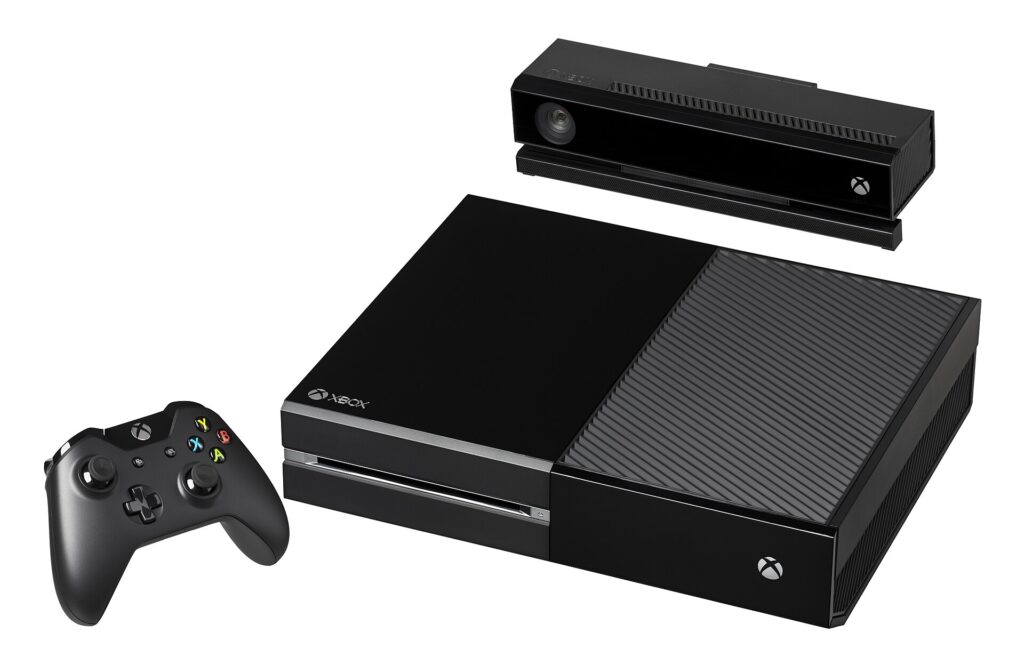
- Console: Xbox One (original model)
- Manufacturer: Microsoft
- Launch date: November 22, 2013 (North America — one of 13 launch markets)
- Launch price: $499, with Kinect in the box
- CPU: 8-core AMD Jaguar APU at 1.75GHz
- GPU: AMD Radeon-based graphics in the APU, 853MHz, 1.31 TFLOPS
- Memory: 8GB DDR3
- Storage: 500GB hard drive
- Media: Blu-ray, DVD, CD
- Packed in: Kinect sensor, one wireless controller, chat headset
Nobody in the midnight line was arguing about teraflops. They were arguing about television. That was the odd thing about the Xbox One launch, thirteen years ago tonight — November 22, 2013, a date Microsoft landed on exactly eight years after the Xbox 360 first went on sale in North America on November 22, 2005. The 360 had been a games machine that picked up entertainment tricks along the way. This one came in the other way round. It was an entertainment system that had one night to prove it was still a games machine at heart, and the people queuing for it had watched it survive the roughest six months any console ever had before launch. They bought it anyway. More than a million of them did, in under a day.
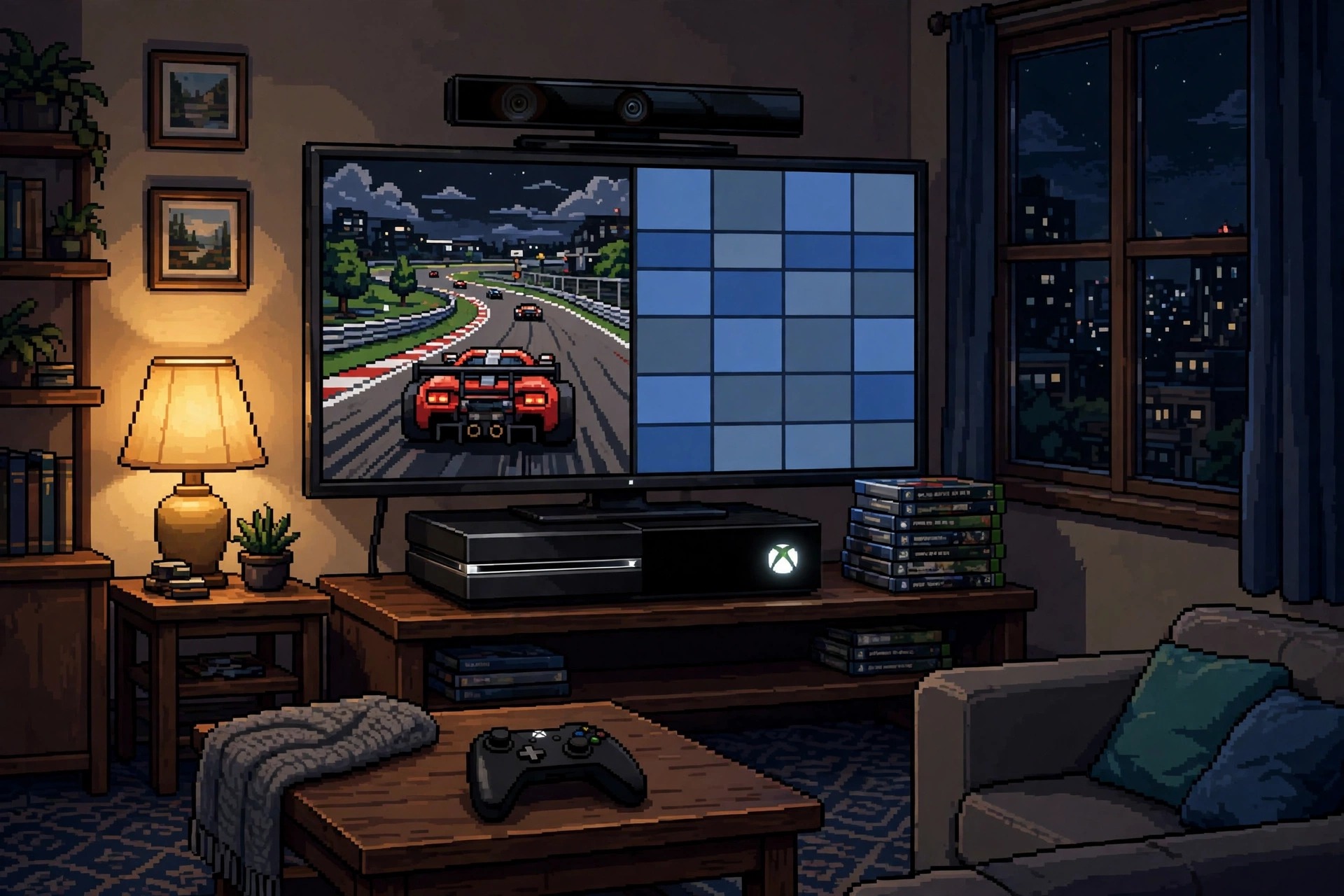
The Xbox One Launch Started With Television
The reveal came on May 21, 2013, under a tent on the Microsoft campus in Redmond. Notice the word the company kept reaching for. Not “console.” “All-in-one.” Don Mattrick, who ran the Interactive Entertainment Business, called it “the ultimate, all-in-one home entertainment system” — one box for “games, TV, movies, music, sports and Skype.” So the hour went to live television running through the HDMI input. To saying “Xbox On” and watching the whole living room wake up. To Snap, which parked a second activity beside the first on the same screen, and to OneGuide, a programme guide you could talk to. The new Kinect sat on top of the TV like it owned the place. Games? Games were coming at E3, a few weeks later. If you had grown up on reveals that led with silicon and software, it felt like being sold a cable box by the people who made Halo.
Plenty of that pitch was good, honestly. It deserves saying now. Instant switching was fast in a way nothing else in the living room was fast, and the first time you snapped a Skype call beside a game it felt like the future arriving early. The technology was not the problem. The order of the sentences was. A reveal is a promise about what a machine is for — and in May 2013, Microsoft told its most loyal customers they were, at best, half the point.
Then Came the Reversal
The policies that followed the reveal made things worse. As first announced, the Xbox One would check in online once every 24 hours, and disc games would carry new restrictions on how they could be traded, lent and resold. Those plans — and this matters, thirteen years on — never shipped. They were reversed before launch, in full, after weeks of backlash that ran from fan forums to Sony’s gleeful E3 counter-presentation. On June 19, 2013, Mattrick posted the update himself: “There is no 24 hour connection requirement and you can take your Xbox One anywhere you want and play your games, just like on Xbox 360.” Trading, lending and reselling discs would work “just as it does today on Xbox 360,” and the regional locks went away too. The console that actually reached the shelves that November played a disc offline, forever, with no permission asked. But the reversal came six weeks into a story that had already hardened, and the $499 price — $100 more than the PlayStation 4, with the difference widely pinned on the Kinect in every box — gave unhappy players a second, simpler reason to hesitate.
The Hardware Under the Argument
Leave the argument aside for a minute and just look at the machine. It rewards looking. The original Xbox One is a big black slab in two textures, half gloss and half vent, and people compared it to a VCR so often that the joke stopped being an insult and became a description. Inside: an AMD APU with eight Jaguar CPU cores at 1.75GHz, Radeon-based graphics good for 1.31 teraflops, 8GB of DDR3 memory, a 500GB hard drive and a Blu-ray drive. That drive was a first for an Xbox, and a quiet admission of who had won the format war the 360 fought with HD DVD. The machine ran quiet, too. Next to the 360’s roar it practically whispered. Whatever else launch week held, nobody’s Xbox One sounded like a hair dryer.
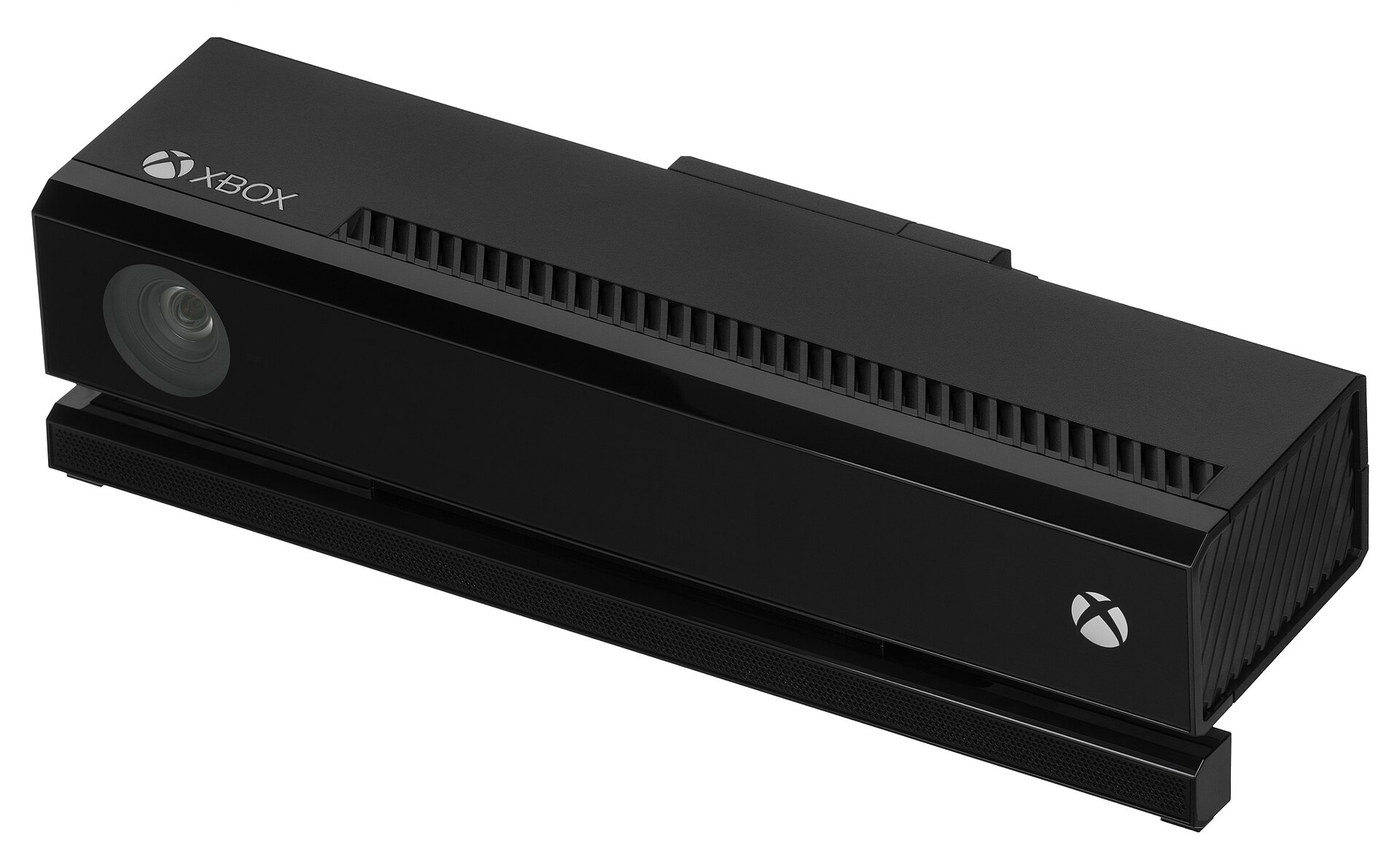
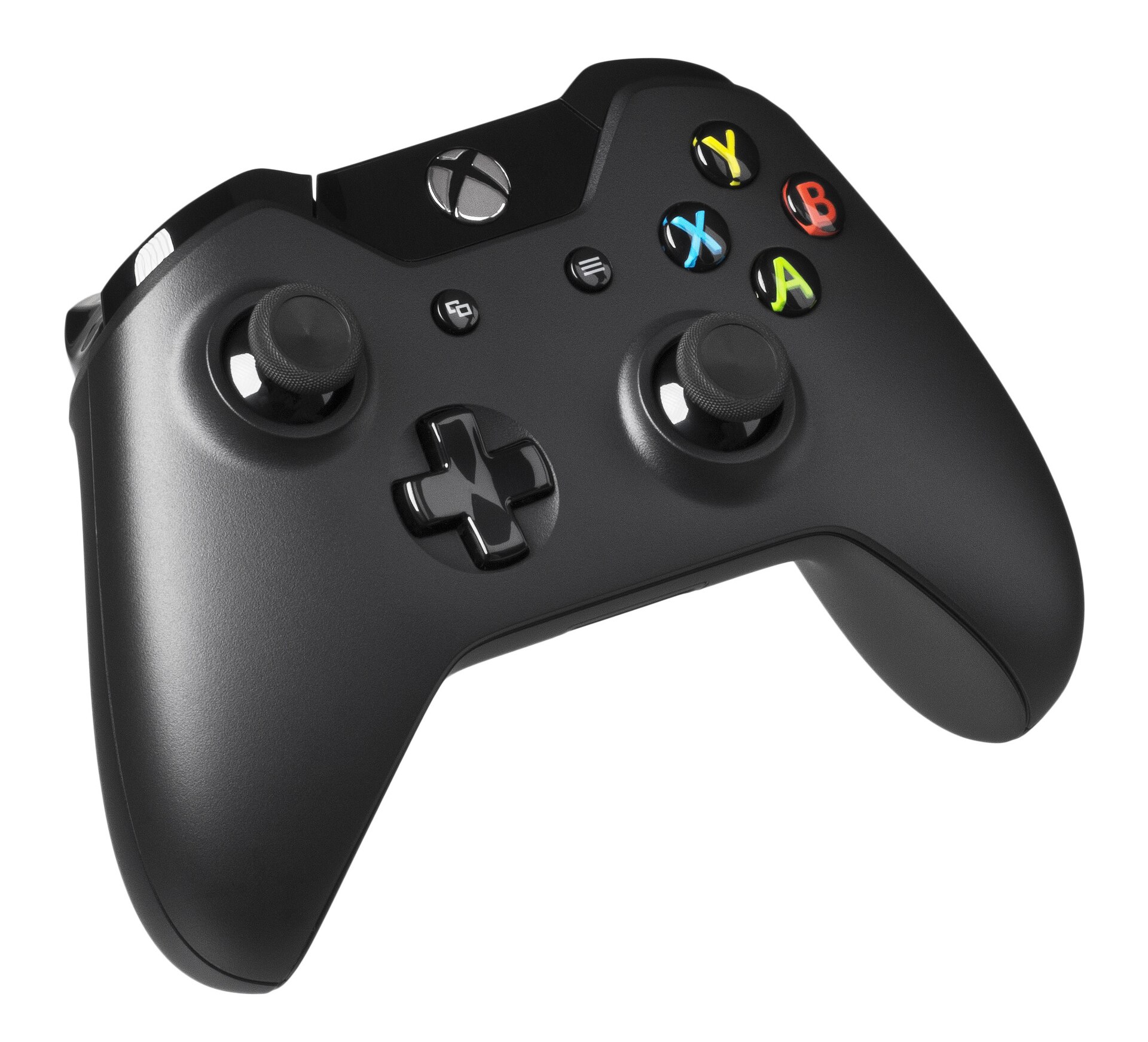
Then there was Kinect, the packed-in half of the argument. The new sensor carried a 1080p camera, worked in smaller rooms than the original ever managed, and read gestures and voices well enough that “Xbox, record that” became a genuine reflex for a generation of players. It was also, for plenty of buyers, a hundred dollars of camera they had not asked for, pointed at their sofa. Both things were true at once, which is roughly the story of the whole launch. The controller, at least, nobody argued about: a careful evolution of the beloved 360 pad, with rumble built into the triggers themselves — impulse triggers that let a racing game buzz your braking finger — and a D-pad that finally deserved the name. Early adopters who pre-ordered got the Day One edition, its controller stamped “Day One 2013.”
Launch Night, and the Games That Carried It
What saved the evening, as it usually does, was the software. Microsoft’s own launch-day count put 22 games on shelves on November 22, ten of them exclusives. Forza Motorsport 5 was the one you showed visitors — all wet tarmac and low sun, the rumble triggers doing quiet magic under your fingers. Dead Rising 3 filled its streets with more zombies than the hardware had any right to hold at once. Ryse: Son of Rome was the graphical flex, a Roman epic built to be screenshotted. And Killer Instinct, a fighting series absent for the better part of two decades, came back as a download and immediately felt at home. Around them sat the big third-party furniture of the season — Battlefield 4, Call of Duty: Ghosts, Assassin’s Creed IV: Black Flag — plus smaller pleasures like Crimson Dragon and Zoo Tycoon. It was not an all-time great launch lineup. It was a solid one, and solid was enough.
The numbers backed it up. Next day, Microsoft confirmed more than one million consoles sold through worldwide in less than 24 hours — the biggest launch in Xbox history, past the 360’s day one. You could hear the relief in the rest of the announcement: over 60 million zombies killed in Dead Rising 3, 3.6 million miles driven in Forza Motorsport 5, all in that first day. Sold out at most retailers, the company said. After the summer Xbox had just had, that sentence must have felt very good to type.
Thirteen Years On
The rest of the story is a long, public course correction. In June 2014 Microsoft sold the console without Kinect for $399, matching its rival’s price and quietly retiring the idea that the camera was non-negotiable. The slimmer Xbox One S followed in 2016, and the Xbox One X in 2017 — for a while the most powerful console in the world, and about as far from the TV-first pitch of 2013 as a machine could get. The entertainment-hub dream dissolved into apps, the way it did everywhere. What lasted was the box under the TV: the quiet slab that played its discs offline, that asked for nothing, that just worked — the console the June reversal had promised, delivered a few months late and $100 heavy, but delivered.
So no, the Xbox One launch is not just a punchline, and thirteen years is a good moment to say so. It remains the clearest case we have of an audience telling a platform holder — loudly, in public, leaving no room for misunderstanding — what a games console is for. And the platform holder, to its credit, rewrote the product before it shipped instead of after it failed. The people in that midnight line were never buying the all-in-one entertainment system from the May reveal. They were buying the machine the reversal made. It turned out to be a good one.
— Chip
For more launches from this date, see This Day in Gaming History: November 22. More from this system: our Xbox hub.