Features
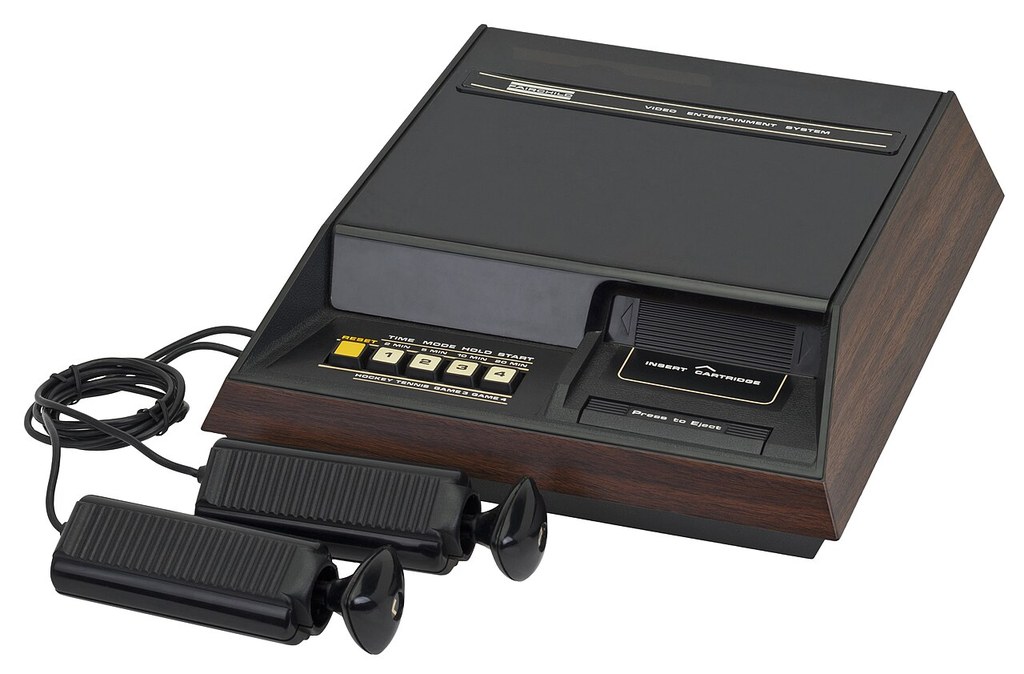
The Strangest Controller Ever Made: The Channel F’s Twist Stick
A joystick, a paddle and a plunger in one triangular knob: how the Channel F’s three-axis controller worked, and why its games are unimaginable without it.

Hardware desk. If it has a cartridge slot, an FPGA board or a weird controller, Hank has opened it up and put it back together — usually better. Writes the gear reviews and hardware spotlights.
A joystick, a paddle and a plunger in one triangular knob: how the Channel F’s three-axis controller worked, and why its games are unimaginable without it.
Flat, D or DCR? The SID-and-shield check, the RGBI display problem, the 1571 pairing and modern storage — everything to know before buying the connoisseur’s Commodore.
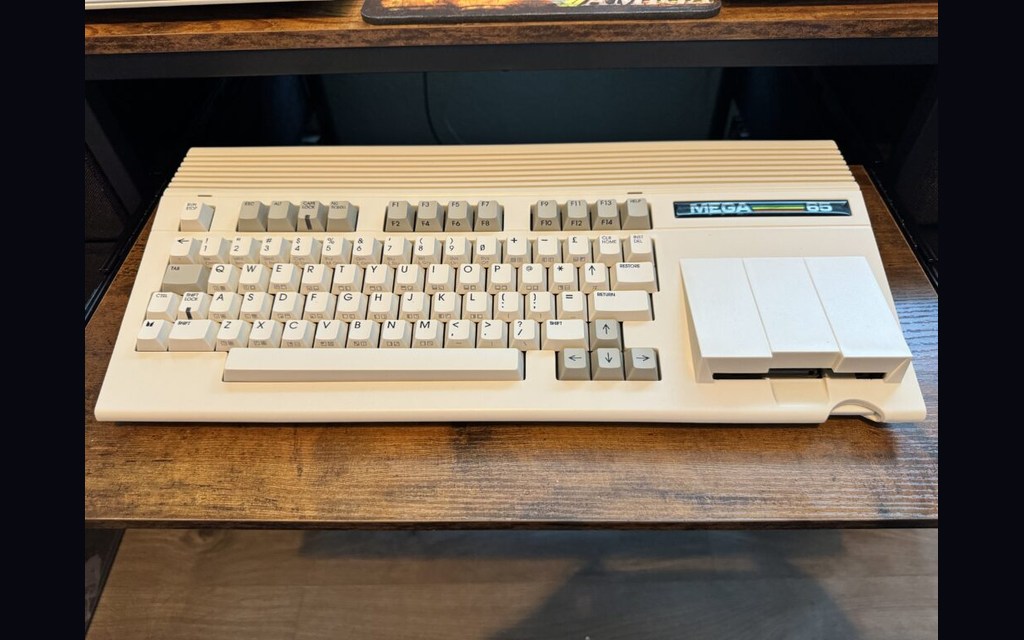
A museum and an FPGA firm built the cancelled C65 as a production computer — BASIC 65, a Cherry MX keyboard and the 8-bit line’s interrupted future, completed.
Built-in drive, detached keyboard and an office silhouette: the 128D (and its steel DCR revision) is the C128 concept at its most complete.
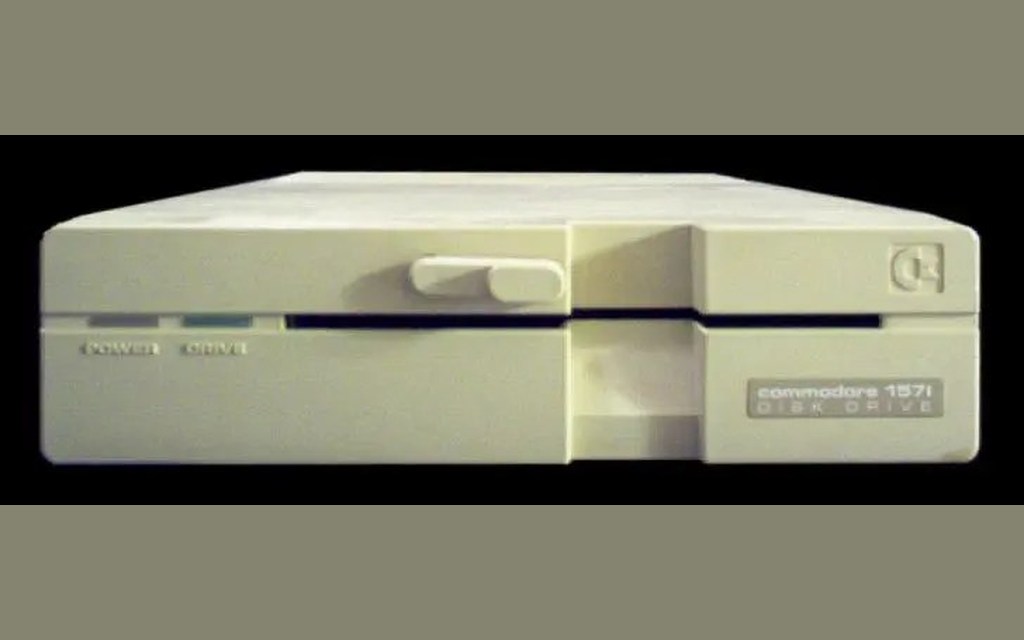
Two heads, burst mode at nine times 1541 speed, and an MFM controller that read CP/M and DOS disks — the drive that treated itself as a computer.

The C128’s second video chip was a workstation graphics processor used for typing — until the demo scene unlocked 640×400 art and 960×540 modes decades later.
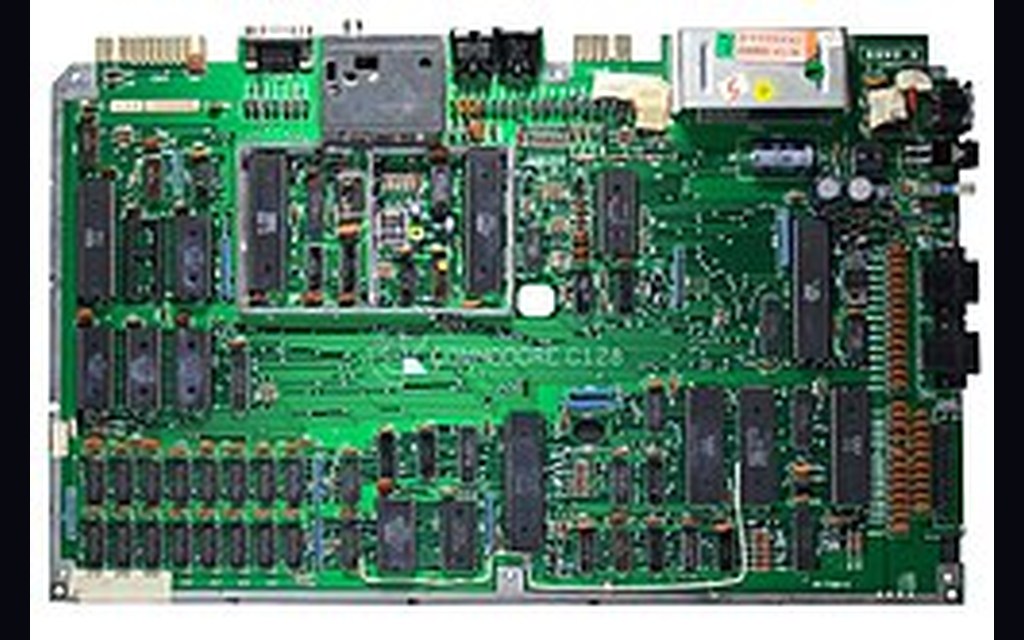
Ice cubes on the video chip, 5.3-volt prototypes and a Z80 designed in ‘accidentally’ — how Herd’s C128 Animals shipped three computers in one box in five months.
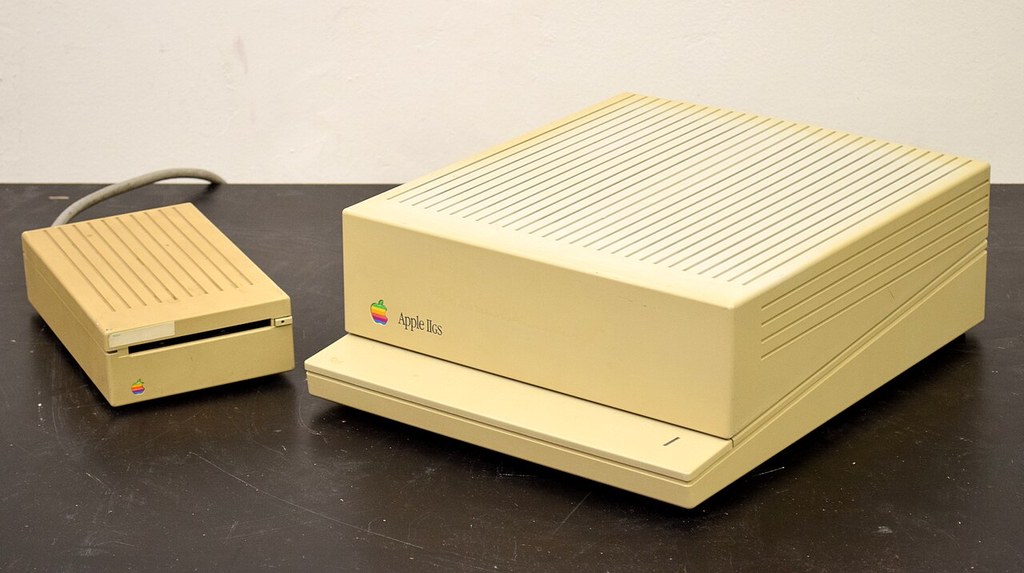
ROM generations, the Woz signature, the battery check, hedged 2026 prices and the storage-first setup: everything a new IIGS owner needs, in one guide.
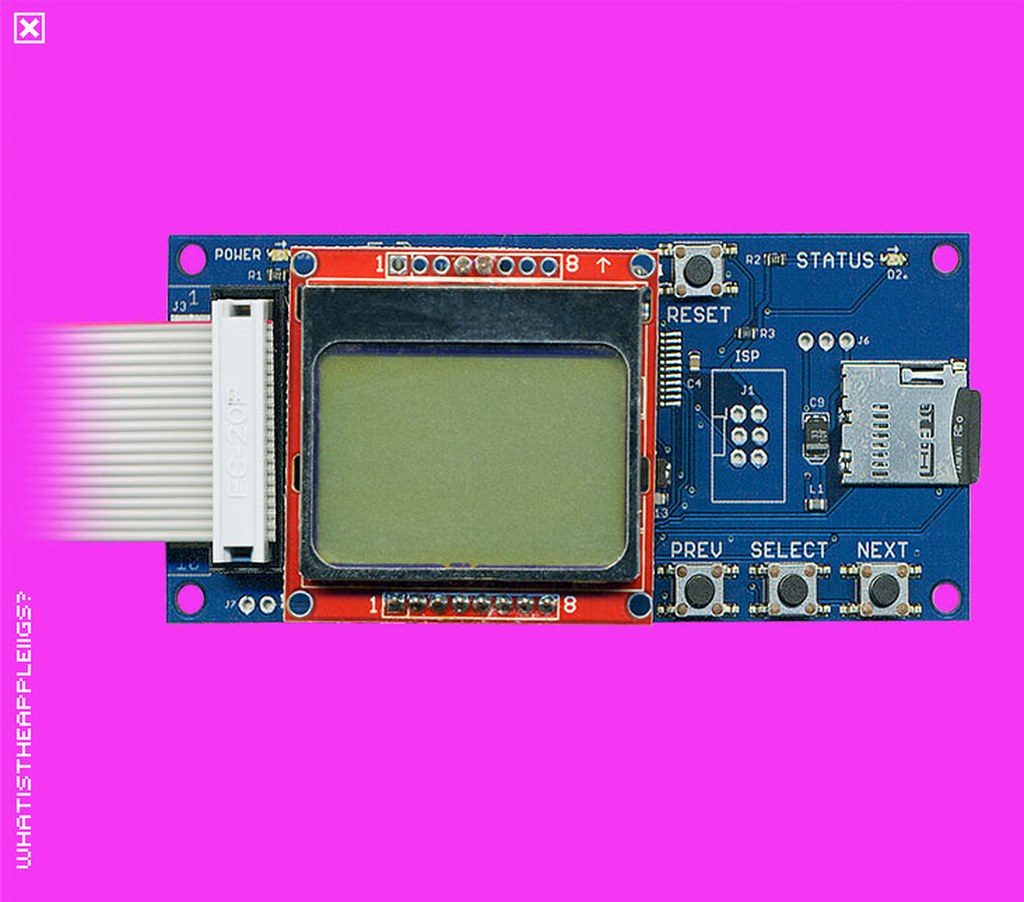
The whole library on a card, booting in seconds: the three devices that turned the IIGS from an artefact back into a daily computer, and how to choose.

A signature moulded into the first production cases and three ROM generations inside: how to read a IIGS like a first edition, and which one to want.