The Ensoniq Miracle: The IIGS Sound Chip That Conquered Pro Audio
The 5503 DOC gave the IIGS a wavetable synthesiser in 1986 — then its descendants powered pro keyboards, studio samplers and the PC sound era. The miracle, explained.
Hardware desk. If it has a cartridge slot, an FPGA board or a weird controller, Hank has opened it up and put it back together — usually better. Writes the gear reviews and hardware spotlights.

The 5503 DOC gave the IIGS a wavetable synthesiser in 1986 — then its descendants powered pro keyboards, studio samplers and the PC sound era. The miracle, explained.

Host compatibility, the five-check test, capacitor servicing, flash carts and an honestly hedged 2026 market map for the forty-game library you can actually complete.

Twin Hitachi SH-2s at 23MHz, a framebuffer of its own and video that had to pass through a mushroom: the 32X’s architecture explained — brilliant, bottlenecked, brief.

Two consoles in one shell, cancelled months from launch: the story of the Neptune, Sega’s plan to heal the rift the 32X had opened — and the prototypes that escaped.

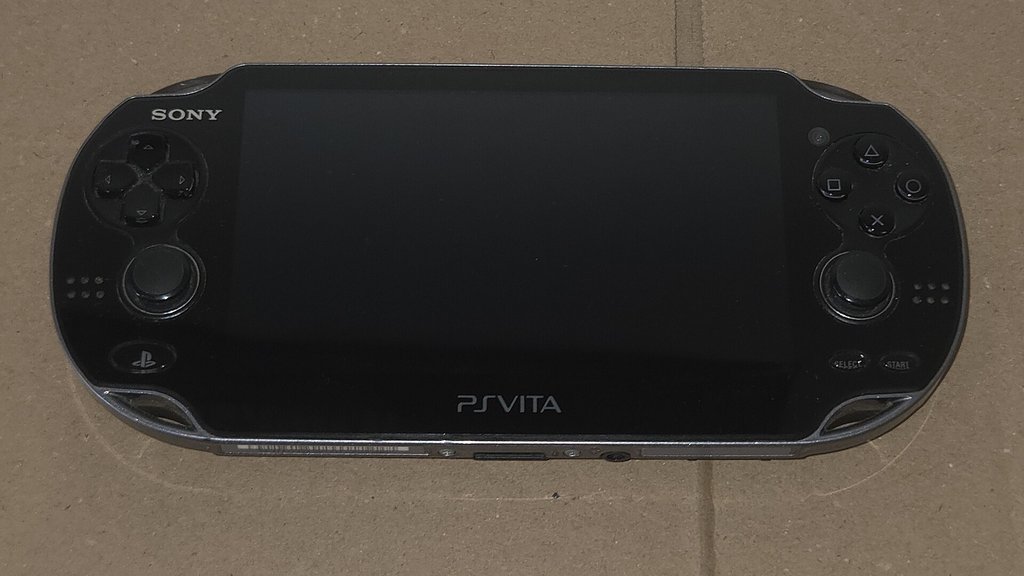
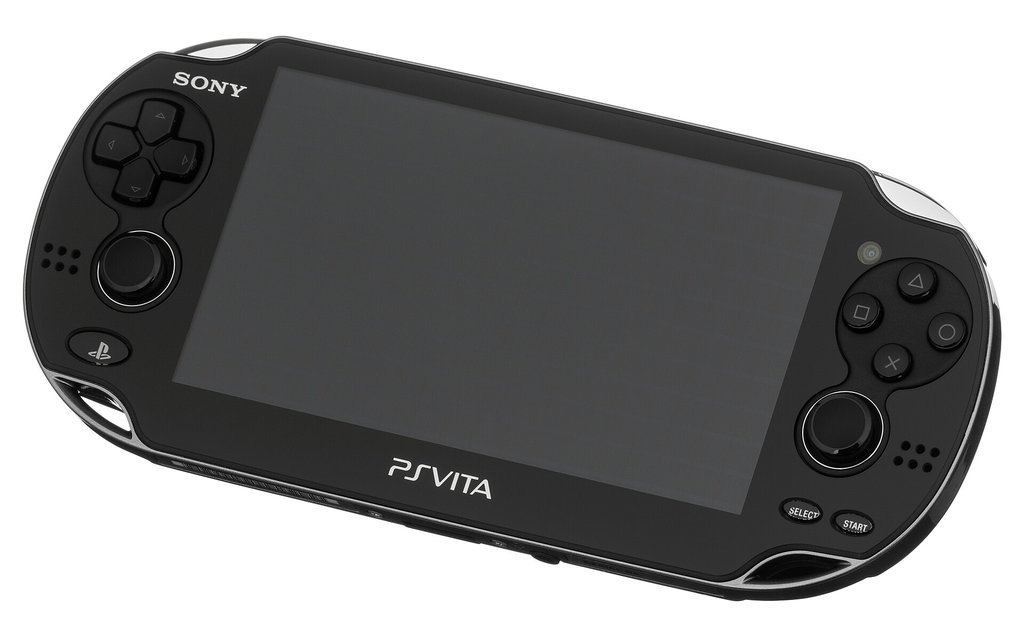
Both models, the memory-card tax and SD2Vita, battery health, the store’s closing window, imports, a five-check routine and hedged 2026 prices.

A Vita in a sardine tin, pitched at everyone and clearanced to everyone: how the PSTV became the library’s second life.

The platform’s longest-running argument, judged honestly: the OLED’s glory, the Slim’s wisdom, and why both camps are right.

Monitor health, the famous buzz, controller potentiometers, overlays and multicarts, a five-check buying checklist and hedged 2026 prices for the self-contained vector console.

No pixels, no grid — just a beam steered point to point. How vector drawing works, why it cannot be perfectly faked, and why the last home vector monitor will not die.

A spinning wheel that conjured colour and 3D from a monochrome tube, and a pen that turned the screen into a sketchpad and a piano: the Vectrex’s wildest hardware.