
Features
ComLynx: The Cable That Turned Handhelds Social
Infrared dreams, an eighteen-machine specification and an eight-player game in 1990: how the Lynx’s link cable anticipated networked handheld play by a generation.

From the Vault columnist. Grew up feeding quarters to the Ms. Pac-Man machine at his uncle's pizza place; still owns his childhood SNES and every Nintendo Power he ever begged his mother for. Writes the retrospectives and the hidden-gem hunts.
Infrared dreams, an eighteen-machine specification and an eight-player game in 1990: how the Lynx’s link cable anticipated networked handheld play by a generation.

Bally Midway’s split-screen alien hunt, converted with ingenuity and improved: four linked players — one more than the arcade — a nine-hero roster, and a playable Snotterpillar.
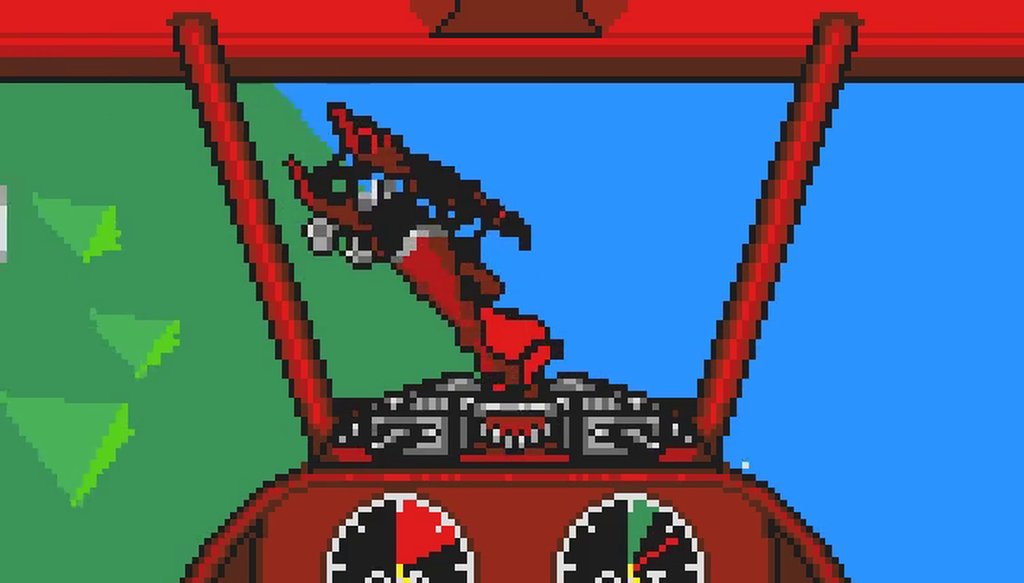
First World War dogfighting with a real flight model and a four-player linked mode that became the Lynx’s signature social game. The ComLynx cable’s killer application.
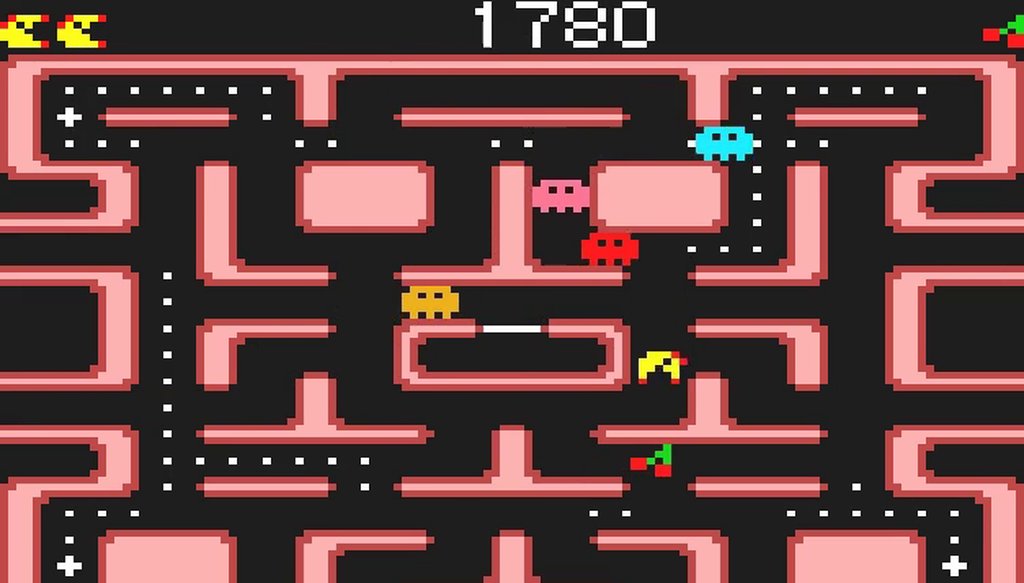
The greatest maze game ever made in a faithful, colourful miniature, with a two-view display solution that respects both the art and the player. The Lynx’s essential arcade classic.
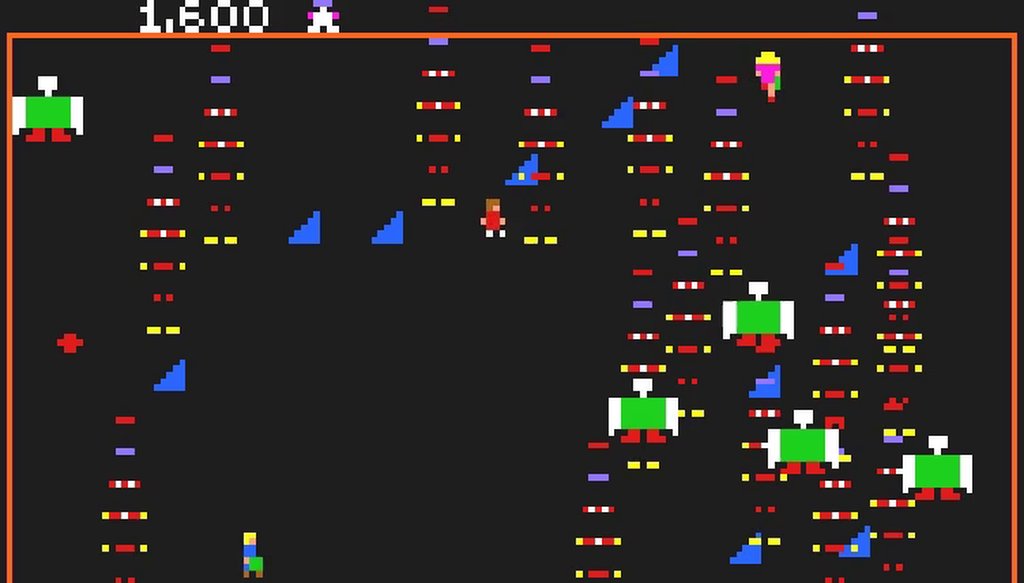
Shadowsoft’s debut port of Jarvis and DeMar’s arena masterpiece: nothing abridged, three control schemes standing in for two joysticks, and every wave as ferocious as 1982.
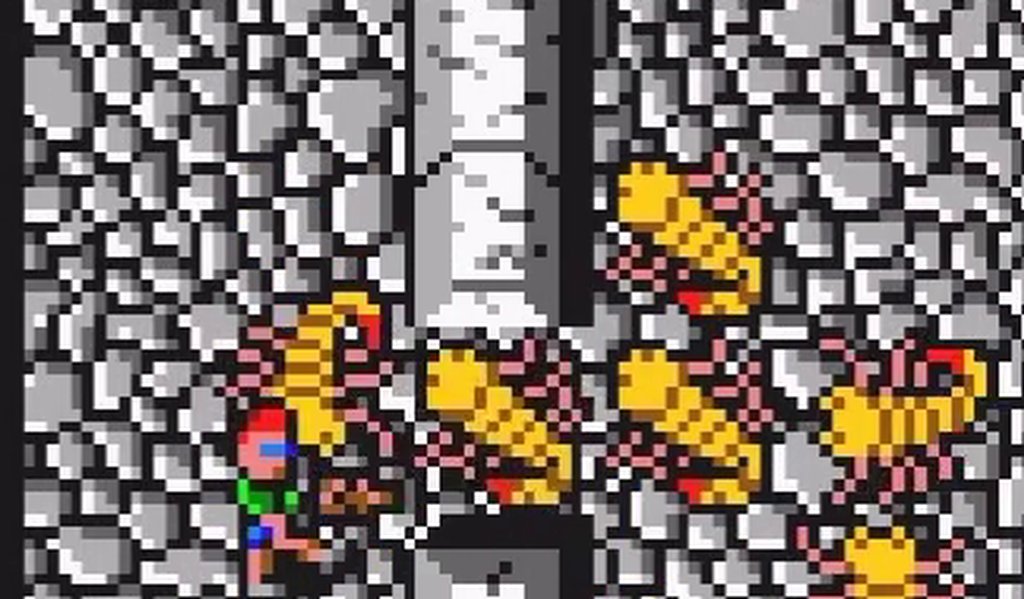
Not the arcade game — an original Epyx dungeon quest with eight heroes including a Punk Rocker and a Nerd, a crashed starship to rebuild, and four-player ComLynx chaos.
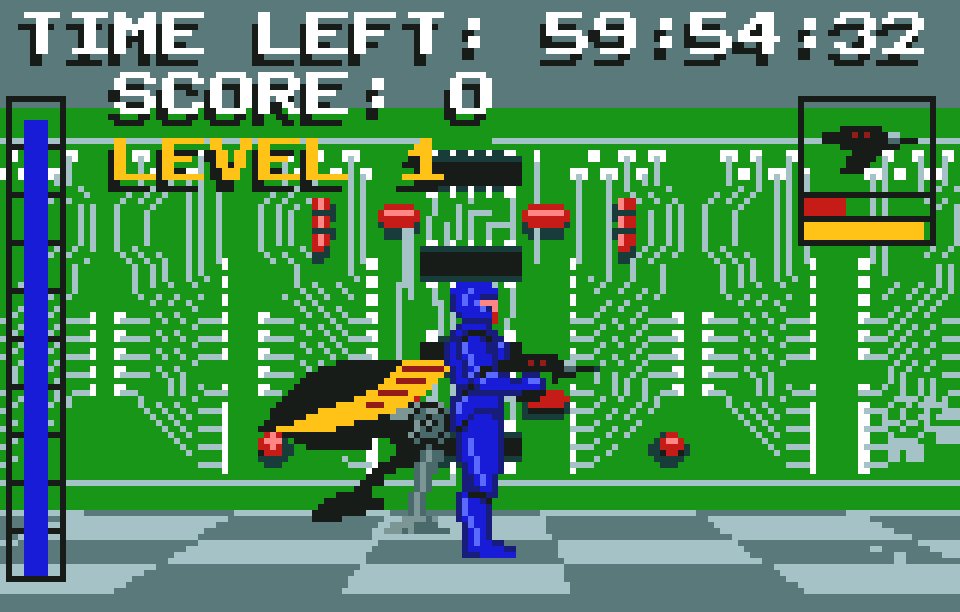
A robot policeman, a kidnapped hostage and a real-time clock: Epyx’s scaling-corridor adventure was the most futuristic handheld game of 1989, and remains one of its most original.

A 51-base shooter campaign with allies to rescue and passwords to keep, from the Lynx’s launch day: slow, strange, atmospheric and like nothing else the system shipped.

Not that Ninja Gaiden: this is Tecmo’s arcade beat ’em up, faithfully ported — a short, sharp, handsome brawler hiding behind its namesake’s reputation.

The sit-down arcade racer that was never supposed to fit on a handheld — and does, at full tempo. Tengen’s conversion is one of the porting miracles of the 8-bit era.