Mystery House and the Birth of the Graphic Adventure
In May 1980 Roberta Williams drew a house, Ken Williams taught an Apple II to draw it back, and the adventure game grew eyes. The story of Sierra’s first game — and the genre it founded.
From the Vault columnist. Grew up feeding quarters to the Ms. Pac-Man machine at his uncle's pizza place; still owns his childhood SNES and every Nintendo Power he ever begged his mother for. Writes the retrospectives and the hidden-gem hunts.

In May 1980 Roberta Williams drew a house, Ken Williams taught an Apple II to draw it back, and the adventure game grew eyes. The story of Sierra’s first game — and the genre it founded.

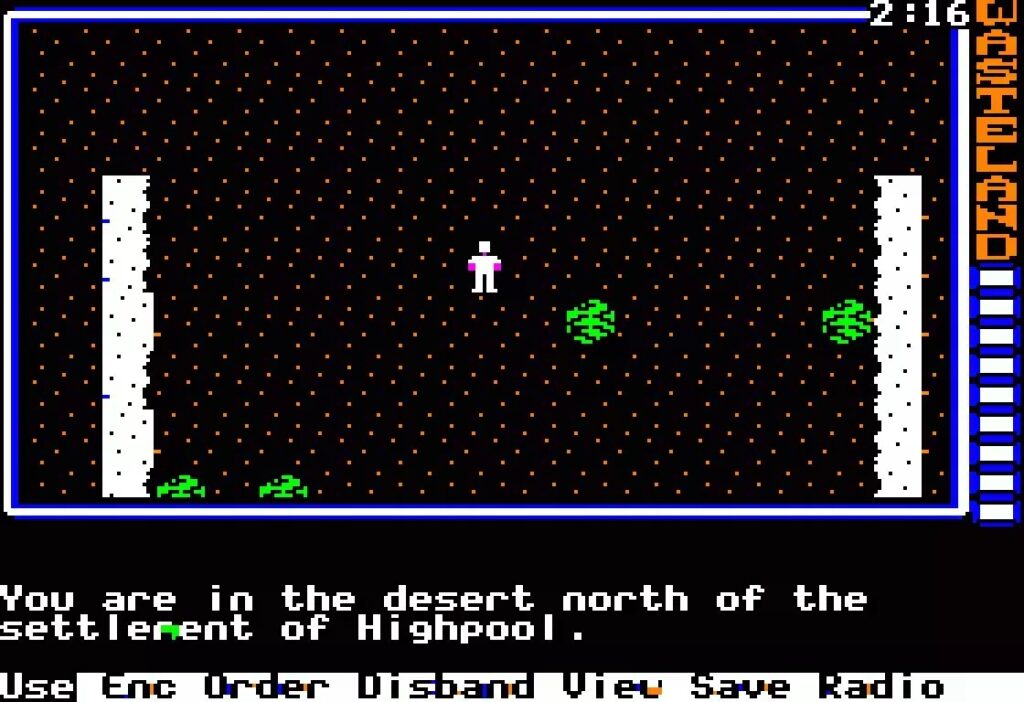
Interplay’s 1988 Desert Rangers wrote the rules of the post-apocalyptic RPG — persistent world, skills that grow by use, problems with five solutions — on the Apple II first.

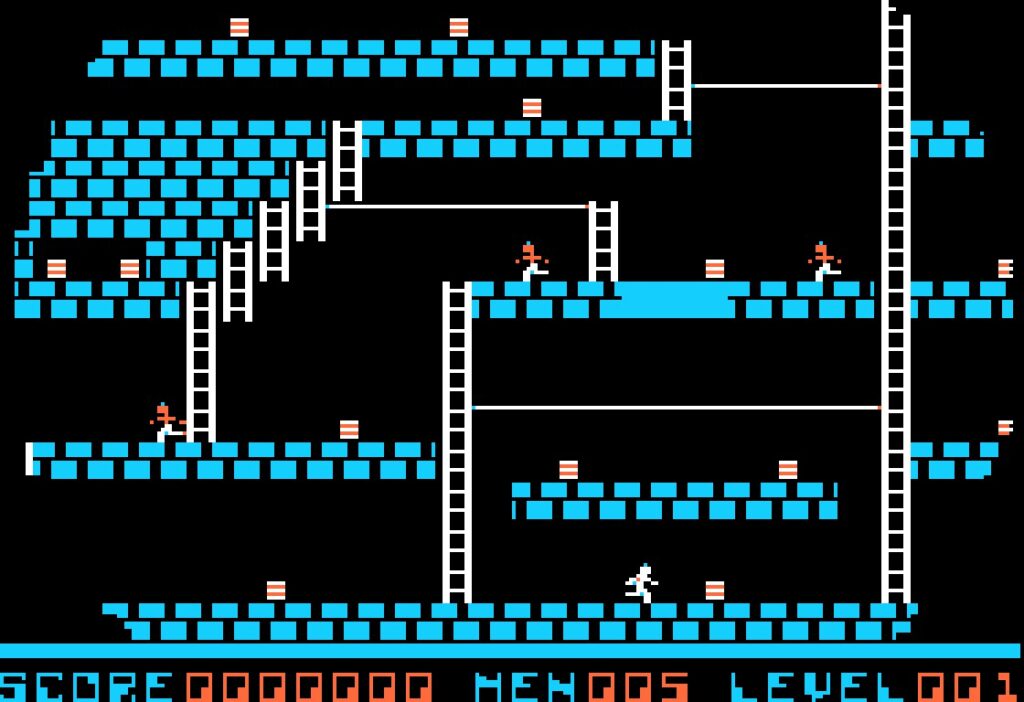
150 levels, five guards, one laser drill and the level editor that changed everything — a full retrospective on the 1983 Brøderbund classic itself. (The game, not the obituary.)

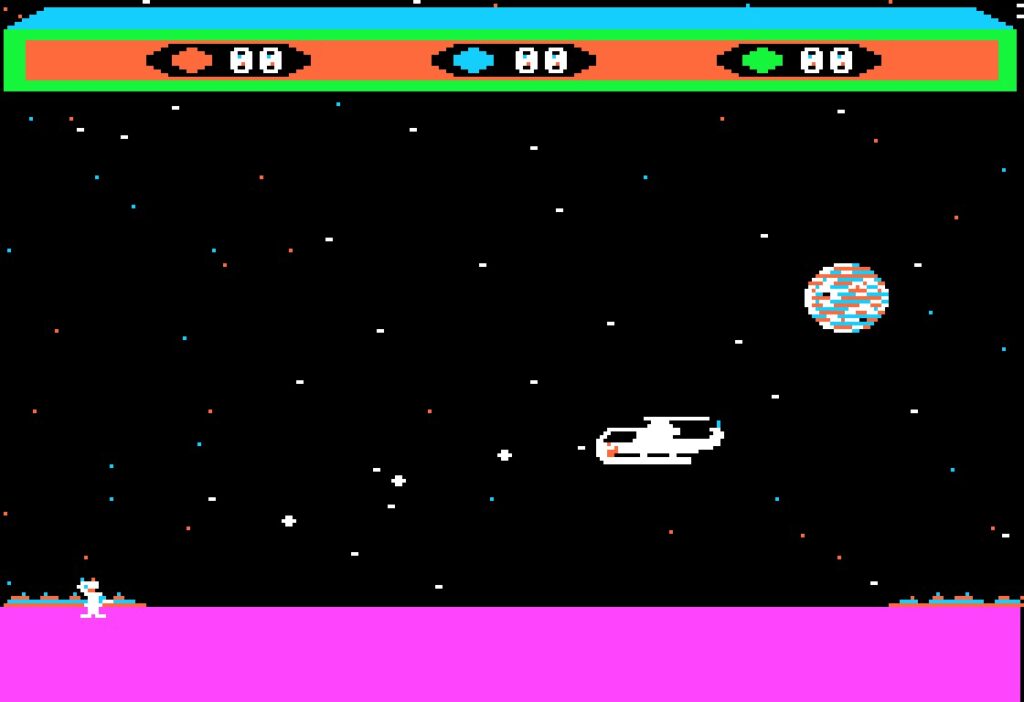
A helicopter, 64 hostages and the Bungeling Empire: Brøderbund’s 1982 Apple II classic turned the shooter into a rescue mission. We take the chopper up once more.

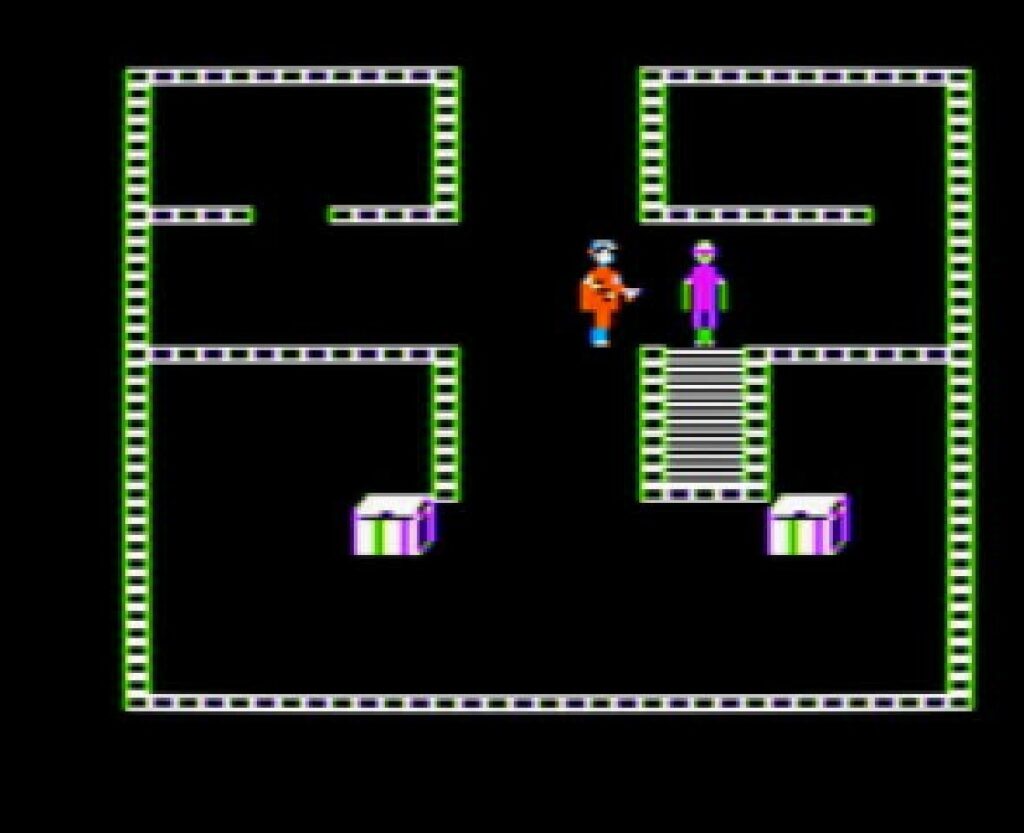
Eleven years before Wolfenstein 3D, Silas Warner’s Apple II original invented stealth: hold-ups, uniforms, searchable bodies and guards who shouted in digitised German. This is that story.

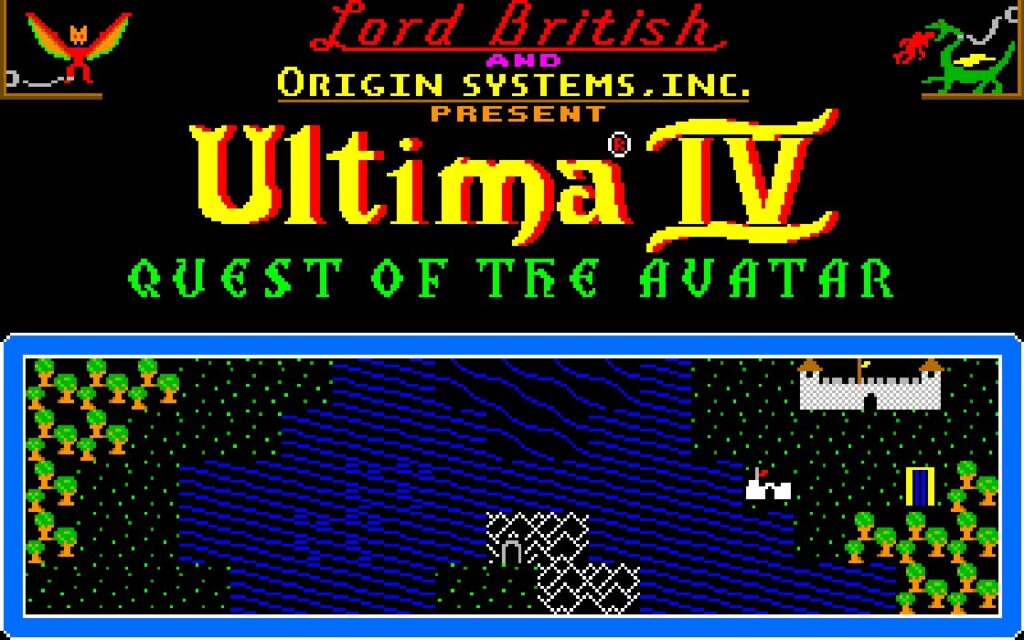
Richard Garriott’s 1985 masterpiece threw away the evil wizard and asked a harder question — can you be virtuous? The Apple II original of the most thoughtful RPG of its decade.

Andrew Greenberg and Robert Woodhead’s 1981 Apple II dungeon crawl invented the party-based computer RPG — and it still does not forgive. We descend, graph paper in hand.

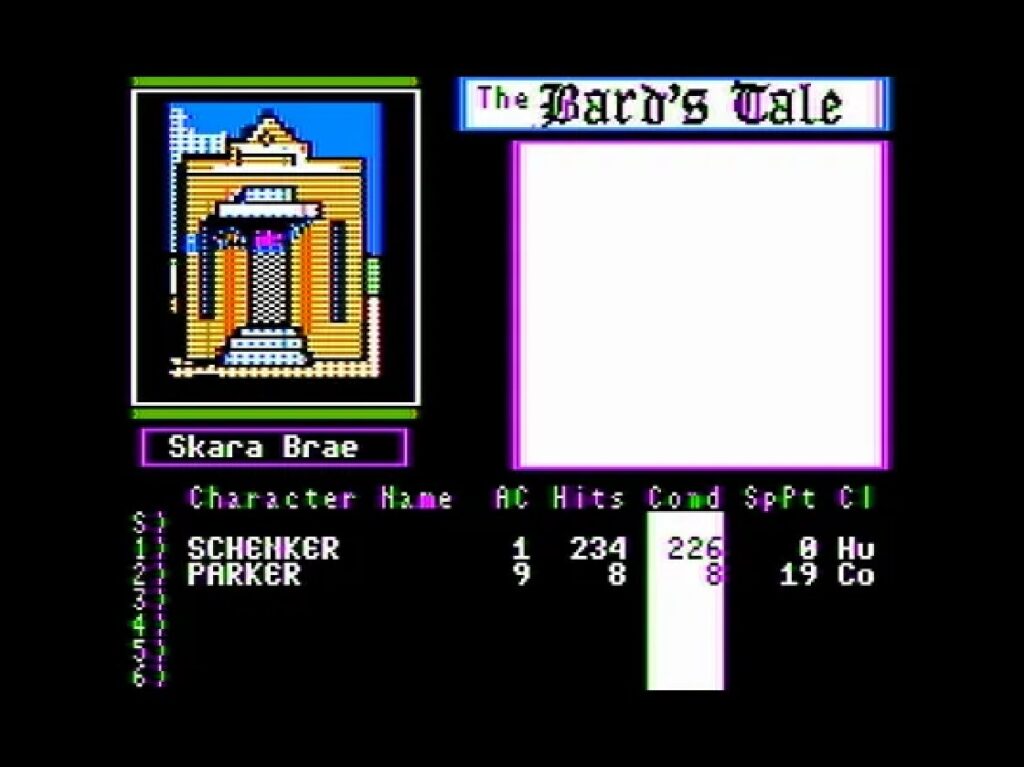
Interplay’s 1985 dungeon crawler gave Apple II adventurers a full 3D city, a singing swordsman and some of the cruellest mazes of the decade. Our party returns to Skara Brae.

Before Prince of Persia there was Karateka — a Yale student’s Apple II martial-arts film in floppy form, with rotoscoped animation and cinema in its bones. We climb Akuma’s mountain again.

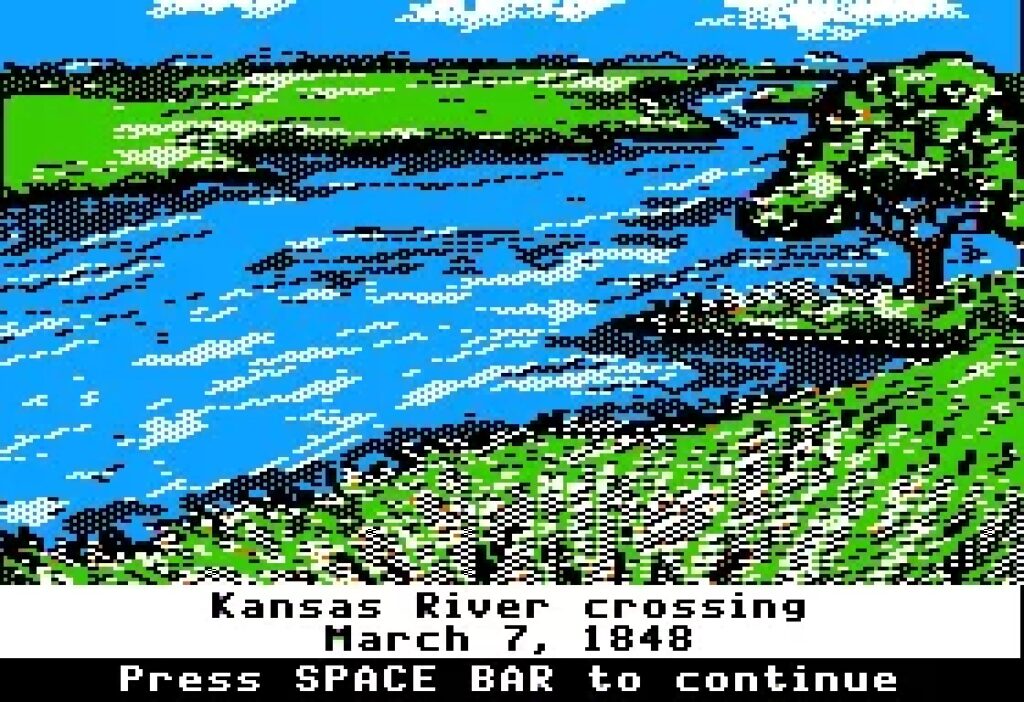
MECC’s 1985 Apple II classic turned a 2,000-mile wagon journey into the most beloved lesson in American classrooms. We ford the river one more time to see why it still holds up.