
Features
Atari 7800 in 2026: The Complete Buying and Setup Guide
NTSC or PAL, which revision, which controller, RF or HDMI, flash or originals — and what to pay. The complete 2026 guide to buying and setting up an Atari 7800.

Hardware desk. If it has a cartridge slot, an FPGA board or a weird controller, Hank has opened it up and put it back together — usually better. Writes the gear reviews and hardware spotlights.
NTSC or PAL, which revision, which controller, RF or HDMI, flash or originals — and what to pay. The complete 2026 guide to buying and setting up an Atari 7800.

Display lists versus tiles, dozens of objects versus eight sprites a line: how GCC’s MARIA chip argued with Nintendo’s PPU — and why her road not taken still matters.
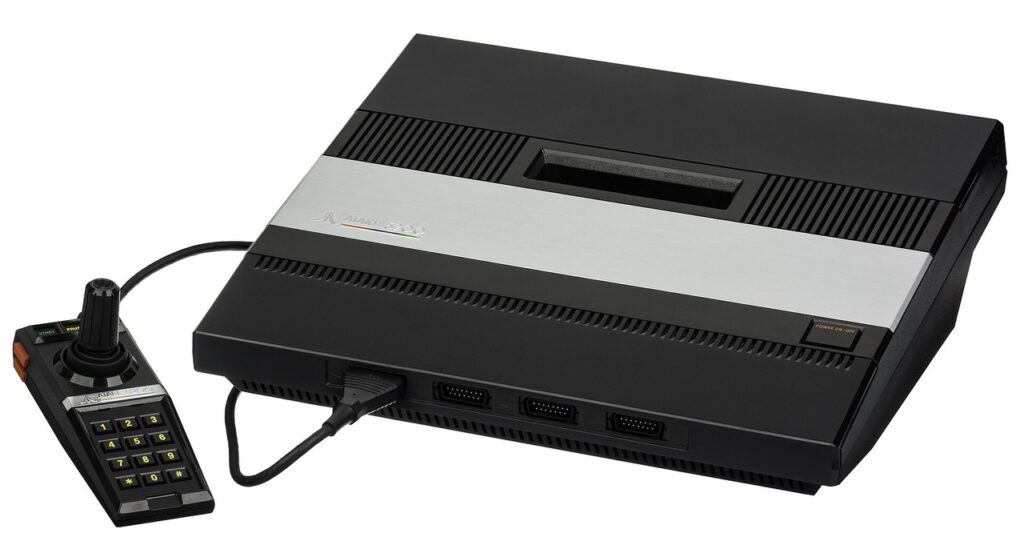
Four-port or two, switchbox traps, controller solutions, multicarts and what to pay: everything you need to buy and set up a 5200 today.

A computer in a wedge: ANTIC, GTIA and POKEY, four ports and two, the Trak-Ball, and the infamous switchbox. Inside the SuperSystem’s hardware.
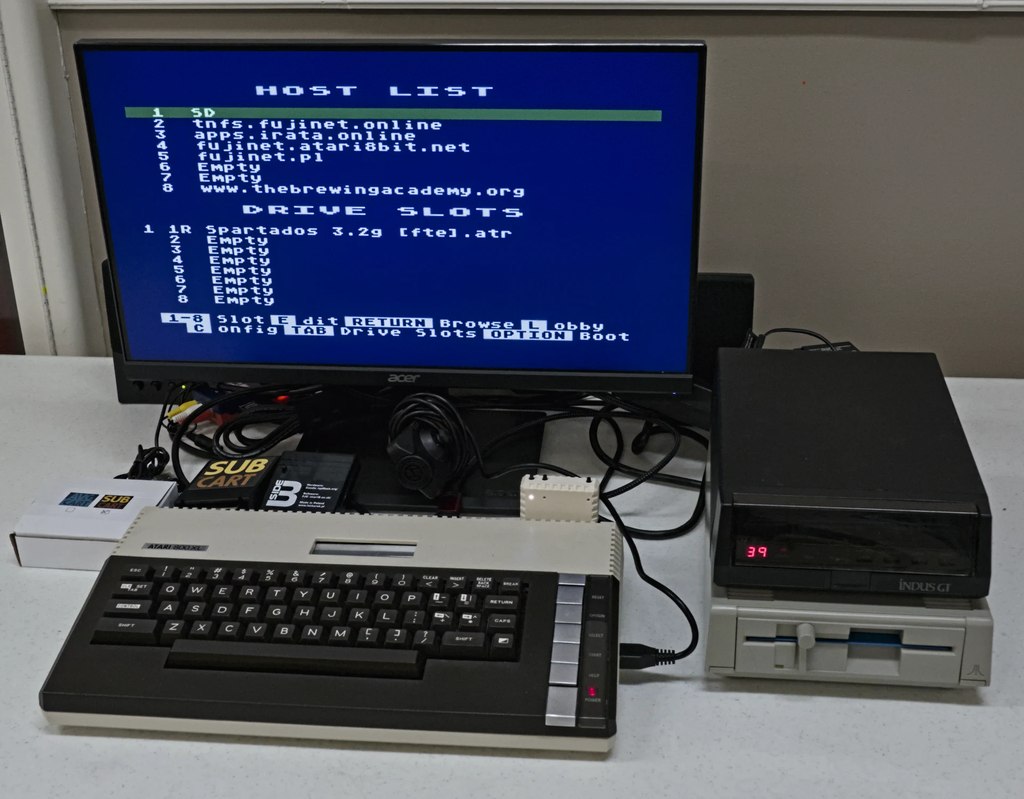
Which model to buy, what to pay, the power supply to replace on day one, and the FujiNet that changes everything: a complete 2026 path into the Atari 8-bit family.
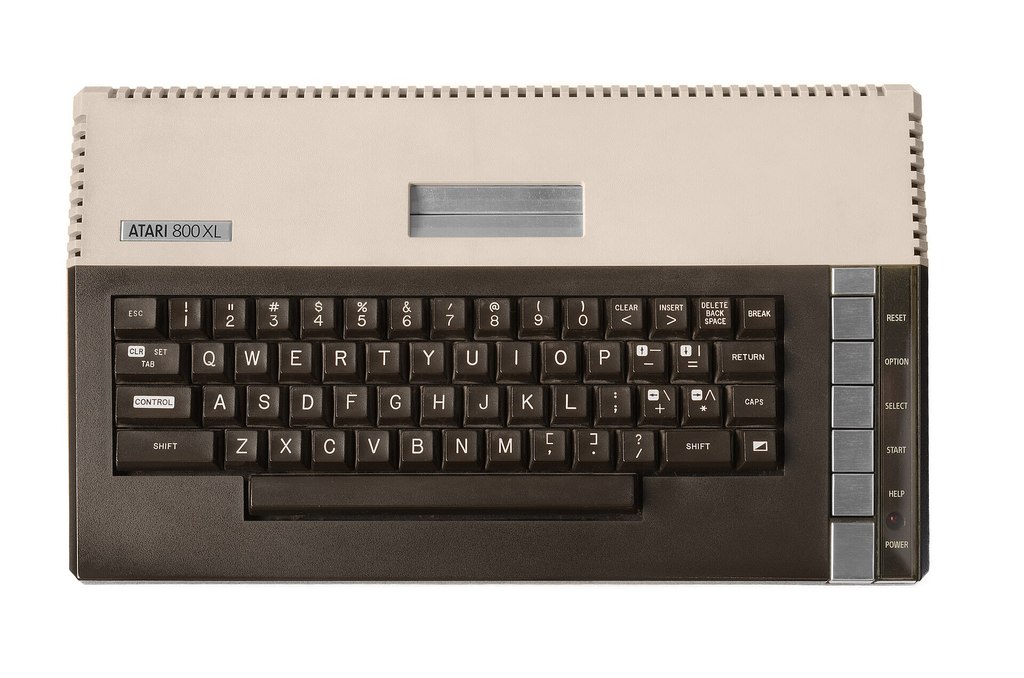
One architecture, thirteen years, a forest of cases: the 400, 800, XL and XE machines that shared three custom chips and kept every promise Atari made in 1979.
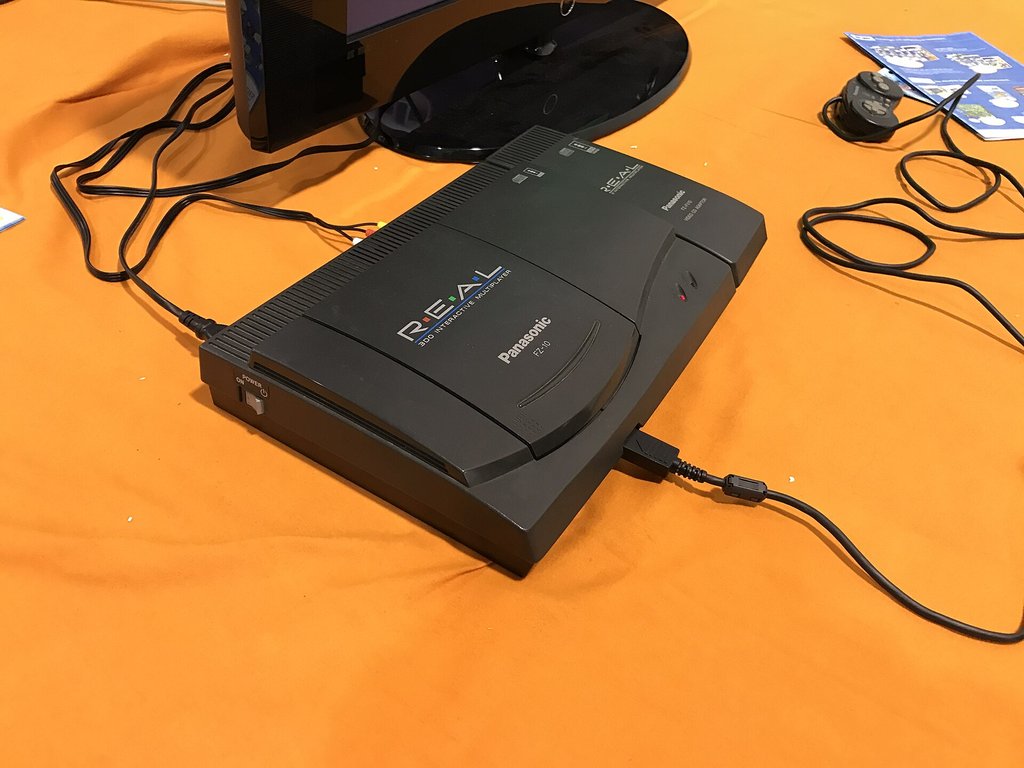
Which model, which ODE, which pads, what to pay and how regions work: the complete 2026 guide to buying a 3DO and building its library in the right order.
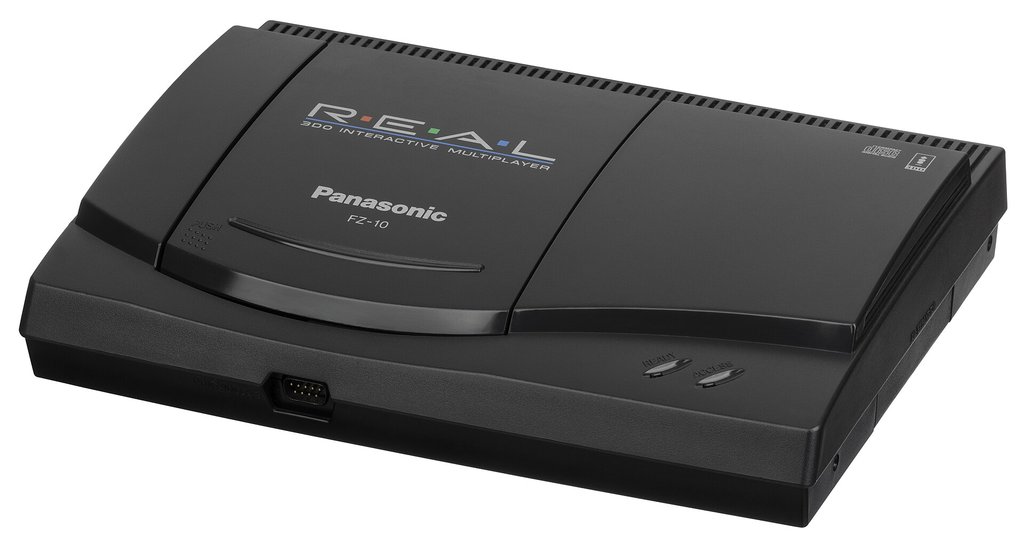
Panasonic’s FZ-1 and FZ-10, GoldStar’s challenger and Sanyo’s Japan-only TRY: how one licensed standard became a family of very different machines.
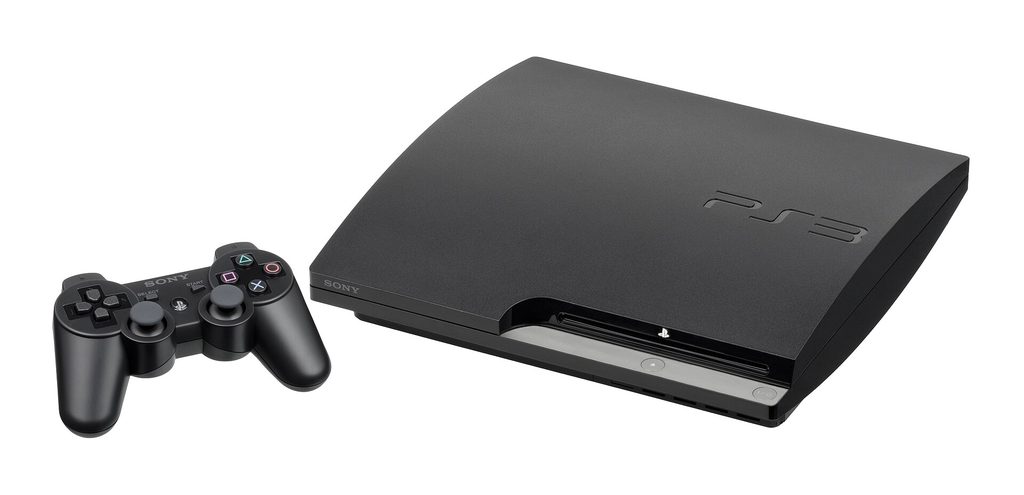
Fat, Slim and Super Slim explained — including the backwards-compatible CECHA/CECHB grails — plus storage upgrades, controller traps and the games to buy first.

How to buy a Virtual Boy that actually works in 2026: the display fault to check, the stand, the games that matter, flash carts, emulation — and what it should all cost you in patience, if not money.