
At a glance — Subject: Counterfeit retro games — how to spot a fake before you buy · Expert source: Anthony Ventura, Gamers Go Retro · Covers: Cartridges, Nintendo DS, discs, consoles, boxes and manuals · Photos: Gamers Go Retro; additional photos via Wikimedia Commons, credited in the captions
A customer sets a bag of Nintendo DS games on the counter. Most of it is fine — good games, honest wear, the scuffs of a library that got played. But one of the Pokémon carts is not right. Not obviously wrong, not wrong in a way a photograph would catch. Wrong in a way you can only see if you have handled a thousand of the real ones. The customer has no idea — he bought it in good faith, at a real-game price, from a listing that lied to him. It happens at Gamers Go Retro in Orlando often enough that the staff have a routine for it, one that starts with teaching, not catching.
Meet the expert. Anthony Ventura runs Gamers Go Retro in Orlando, Florida — the physical store trades as Gamers Inc Orlando — and his team has been buying, testing and selling retro games since 2010. Every game they sell is inspected, cleaned, tested and backed by a 90-day warranty. Counterfeits are the part of the job nobody advertises, so we asked him how the fakes get caught. Find the shop at gamersgoretro.com, on Instagram at @gamersgoretro and on YouTube.
The fakes come through the door every week
“Counterfeits are unfortunately a consistent theme,” Ventura says — though the intention behind them is not always malicious. Every now and then a trade is clearly someone passing games off as real, pressure and all. Far more common is the mixed bag: authentic DS games with one or two reproduction Pokémon carts buried in them, carried in by someone who never knew. “They are often surprised and thankful for the information when we kindly point out that one of their Pokémon games is not authentic.” Meanwhile eBay and Mercari are full of reproductions sold at authentic prices, in listings written to deceive.
Nothing on the shelf is off limits. Cartridges are faked by the thousand. DS games hide flash cards inside real-looking shells. Discs get burned and dressed up as collectibles, consoles change regions and identities, and even the boxes and manuals get reprinted. Pokémon is the biggest single target — its games across Game Boy Color, Game Boy Advance and DS are reproduced constantly, and the money in them pays for the best fakes — so it is where this guide digs deepest. Some counterfeits are obvious. Others are manufactured to extreme lengths — and those are the ones this guide is about.
How to spot a fake retro game: start with the cartridge
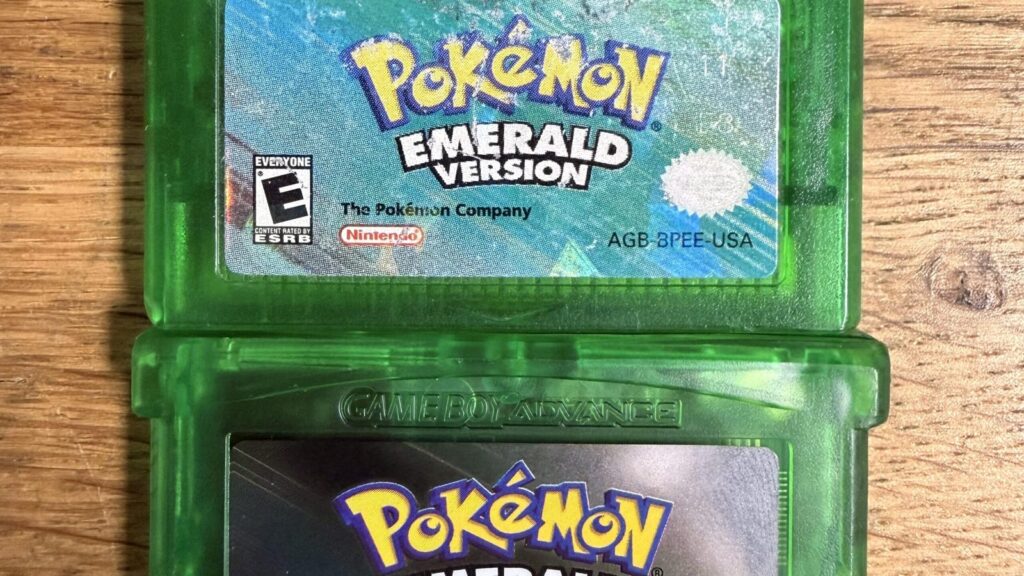
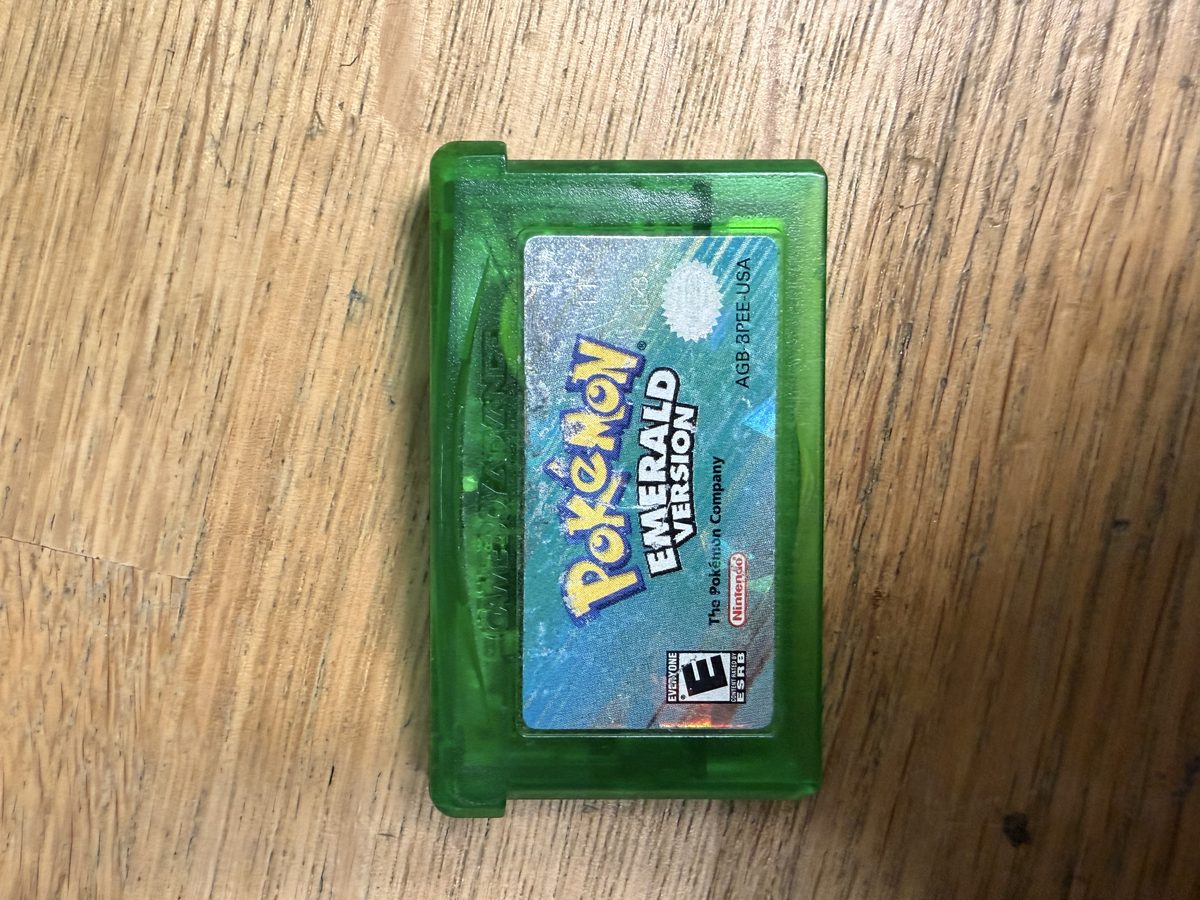
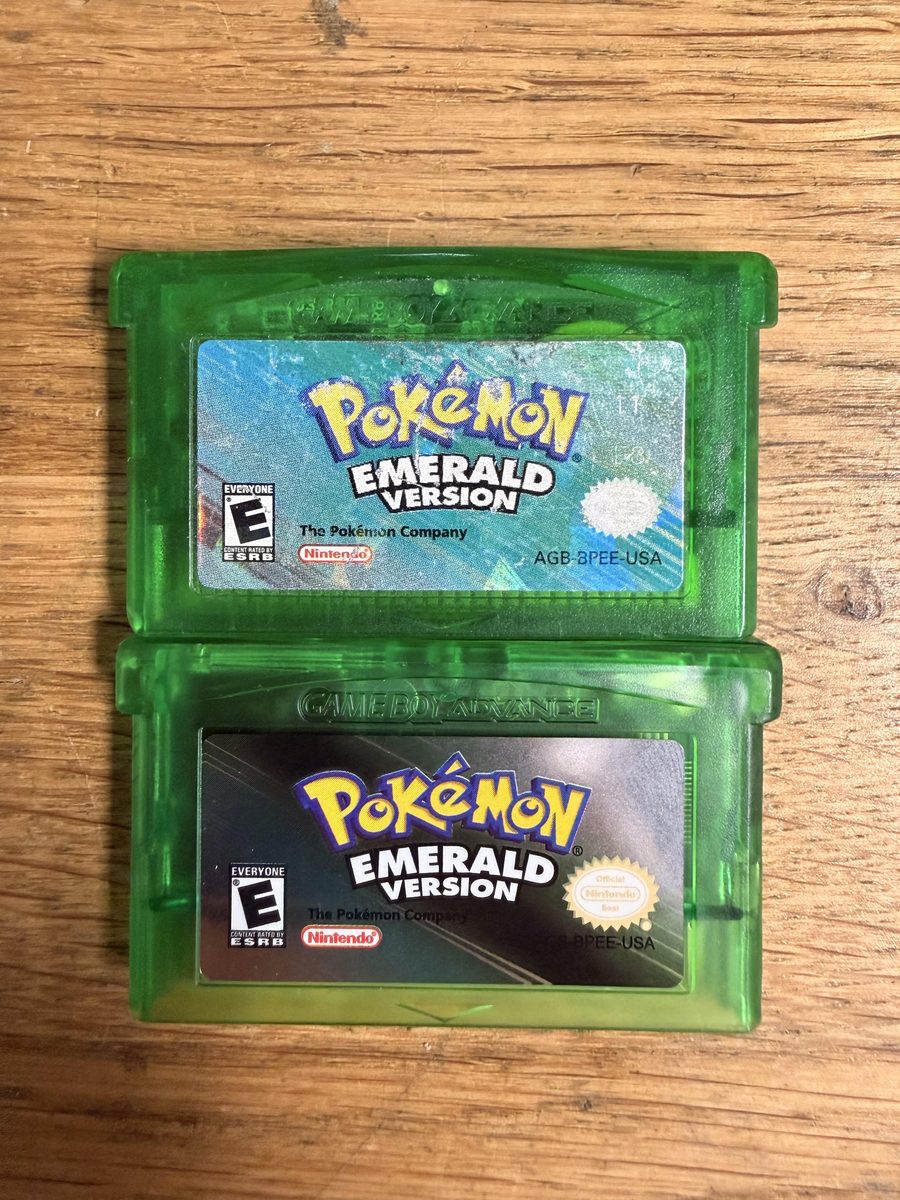
Ventura’s checks need no tools — just hands, eyes and the right order. Start where the fakes are thickest: the cartridge, with Pokémon Emerald as the worked example — the most counterfeited games leave the clearest evidence. First, the label. On Game Boy Color and Game Boy Advance carts, look at the front right of the label for Nintendo’s authenticity stamp, with a double-digit number pressure-stamped into it at the factory — pressed in, not printed on. If the stamp is missing, or the digits sit flat like print, you are holding a reproduction.
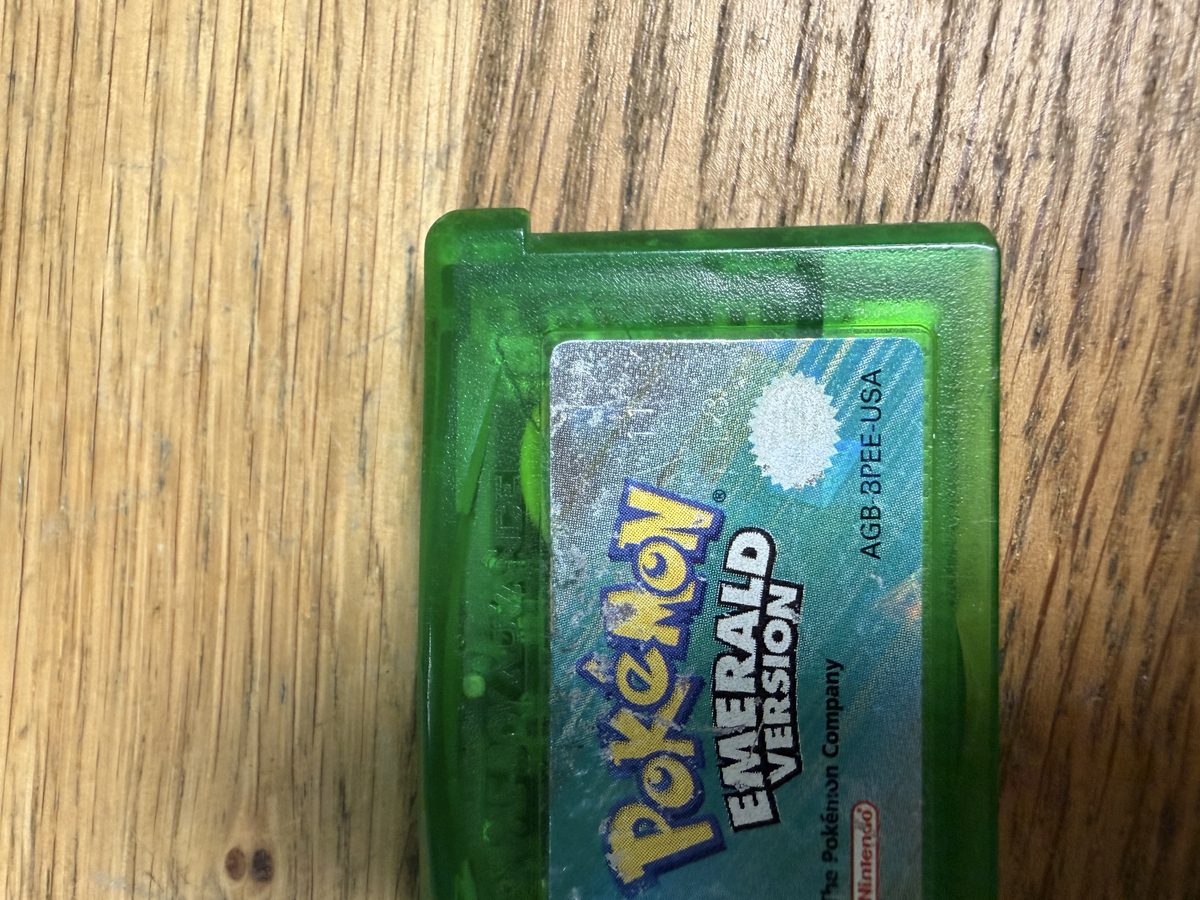
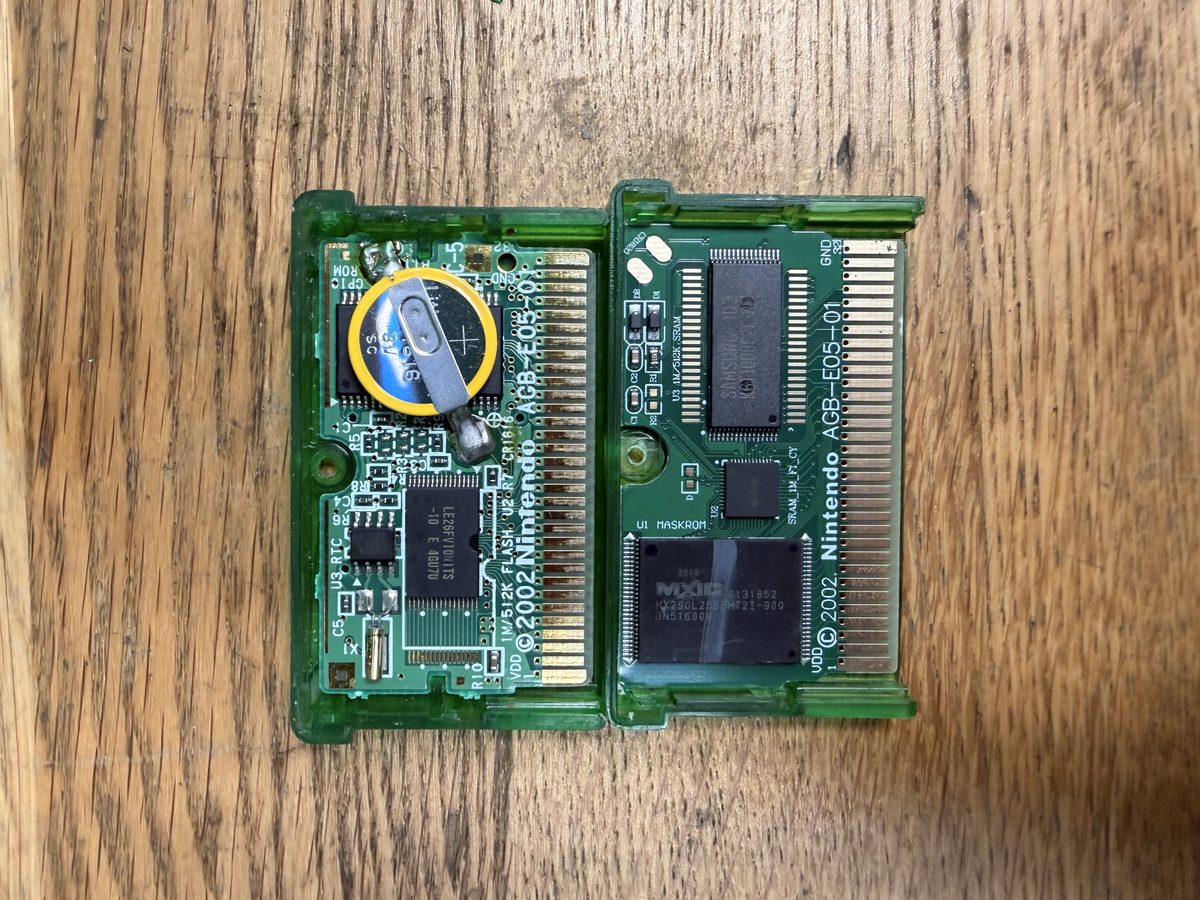
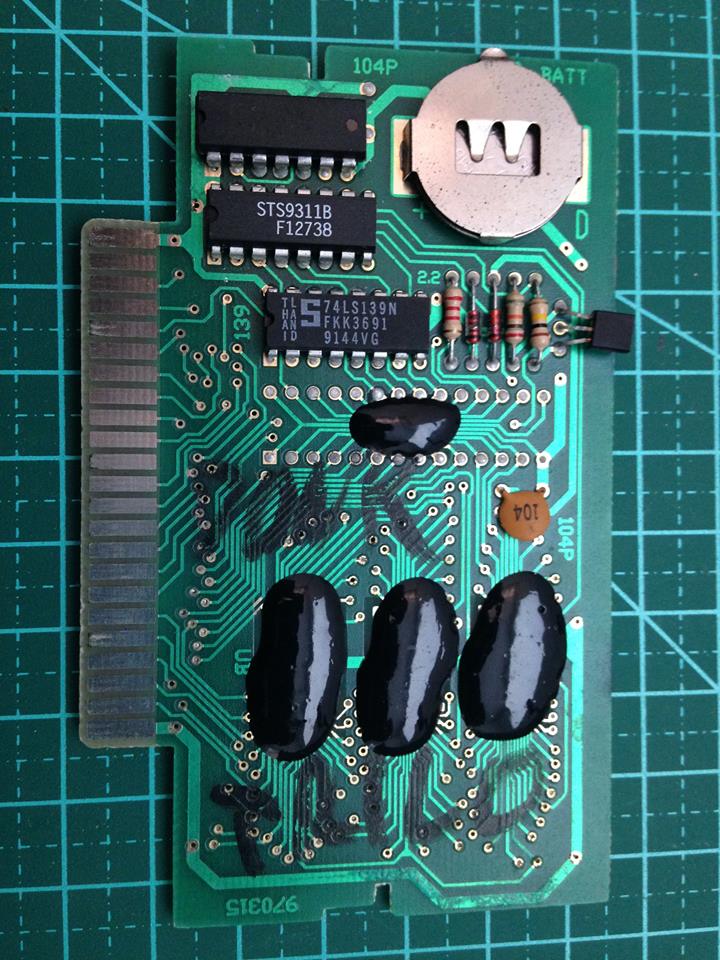
Next, look for a life lived: signs of age and use on the brass pins, the label, the cartridge body. A twenty-year-old game with zero wear anywhere is not a miracle find — it is a red flag. Then, if you can, open the cart. Most Game Boy Color and Game Boy Advance Pokémon games carry a coin battery on the board, powering the game’s clock, and Nintendo’s boards follow a specific layout. A missing battery, absent chips or a contact layout that doesn’t match gives a fake away — the real boards are consistent enough to learn (see our Game Boy Advance hardware guide).
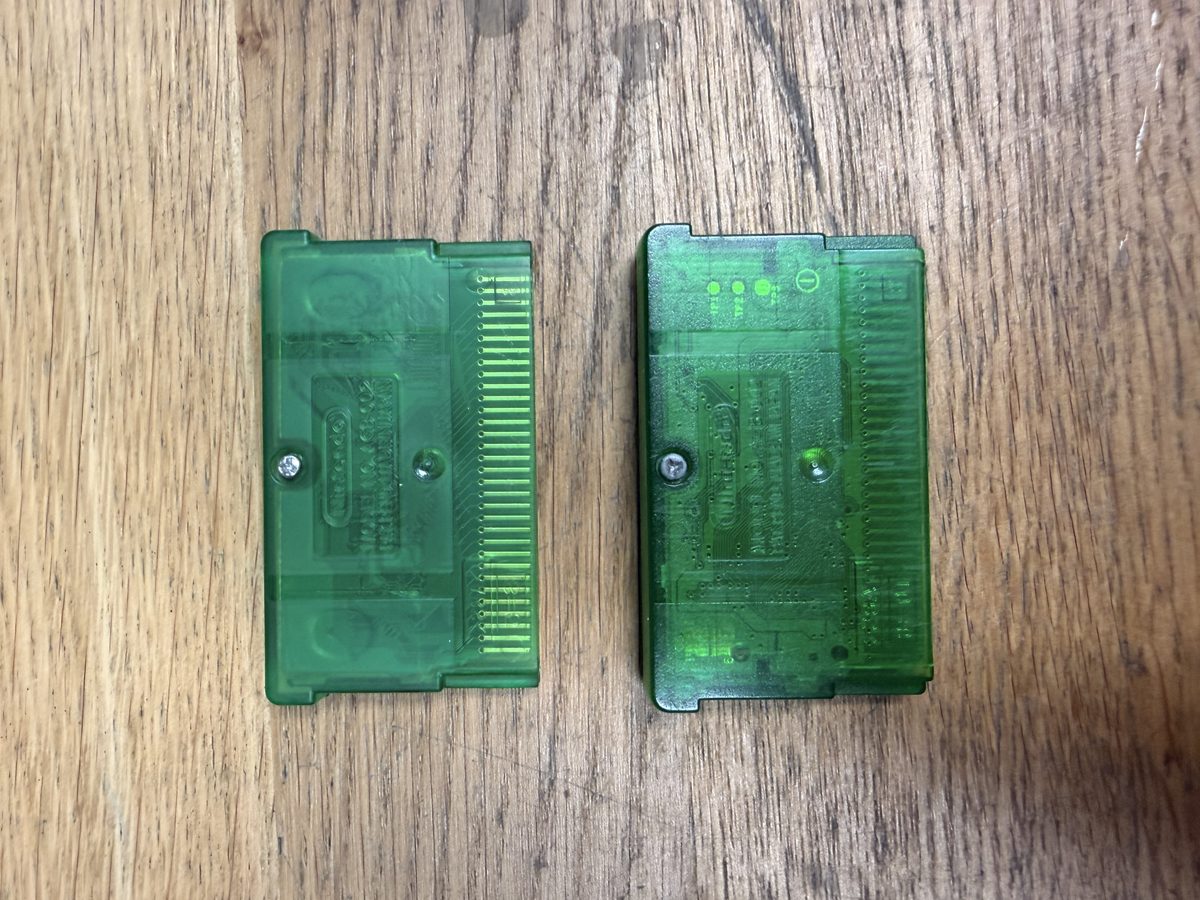
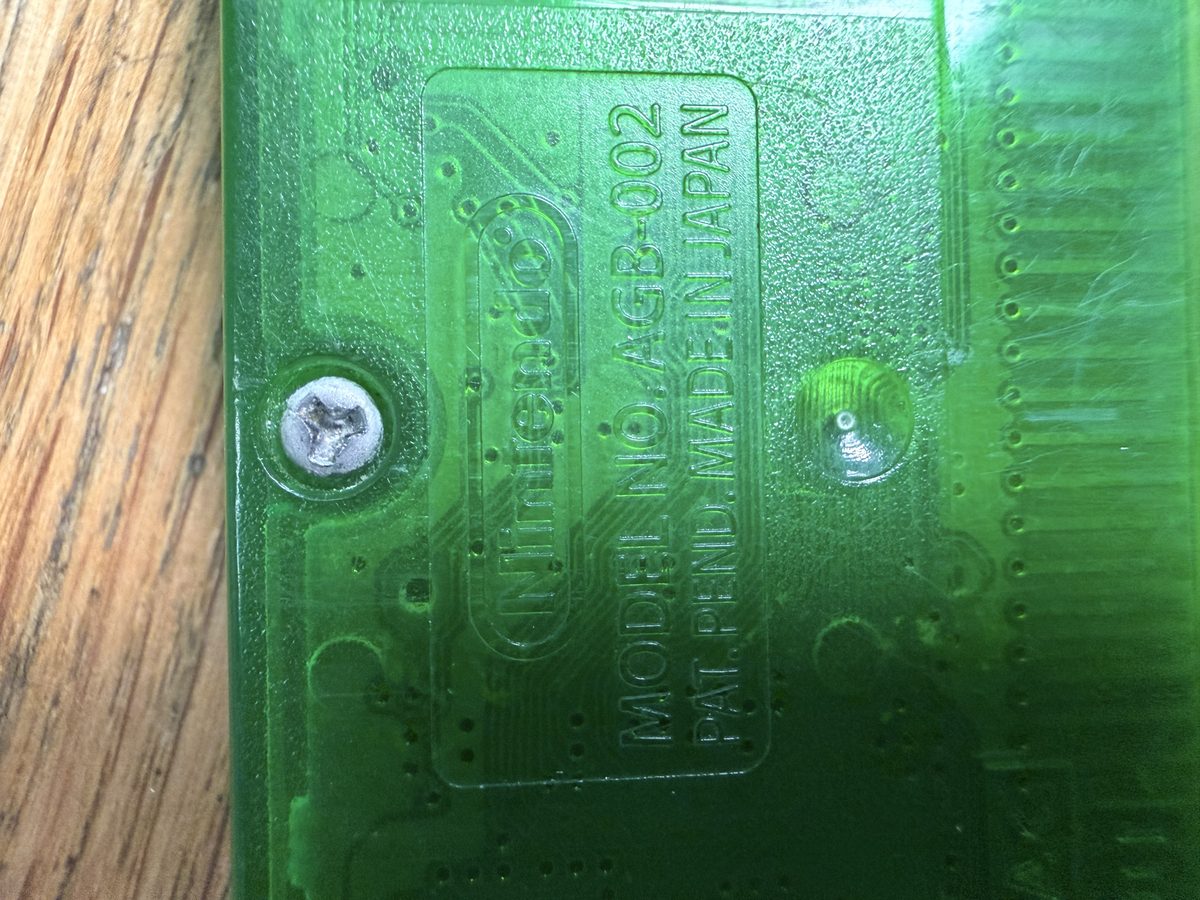
Turn the cart over, too. The shell’s embossing and the board showing through the translucent plastic differ between real and fake, and the back of a genuine cart carries its credentials stamped deep and crisp: Nintendo, the model number, Made in Japan.
The stamp war: when the fakes learned Nintendo’s own trick
Here is why the checklist has layers. The counterfeiters have been studying it too. “They are becoming more advanced with their counterfeit design,” Ventura says, “going so far as to replicate the Nintendo manufacturer’s stamp that is on the front label of all GameBoy Color and GameBoy Advance games.” The very first check on the list — the stamp — is now being forged. No single tell is enough any more; the stamp, the wear, the board and the back have to agree.
Why Pokémon, above everything else? “It is the Pokemon tax,” Ventura says. The cartridges are everywhere, yet they still command high values, powered by nostalgia — kids who once played these games are now adults with adult money, buying back what they lost or sold. The games at the centre of it are genuinely great, which is exactly why they’re faked — our Pokémon Emerald review covers the masterpiece; this page covers its imitators.
The economics are the engine. An original, cartridge-only Pokémon SoulSilver can sell for as much as $180 depending on the market. A reproduction costs very little to make and can be passed off as real for around $100. As Ventura puts it, the margins for scammers are much thicker than a shop’s margins on originals. Collector value hasn’t just made the fakes more common — it has paid for them to get better.
The DS tells: an SD slot, a seam notch and a pinkish glow
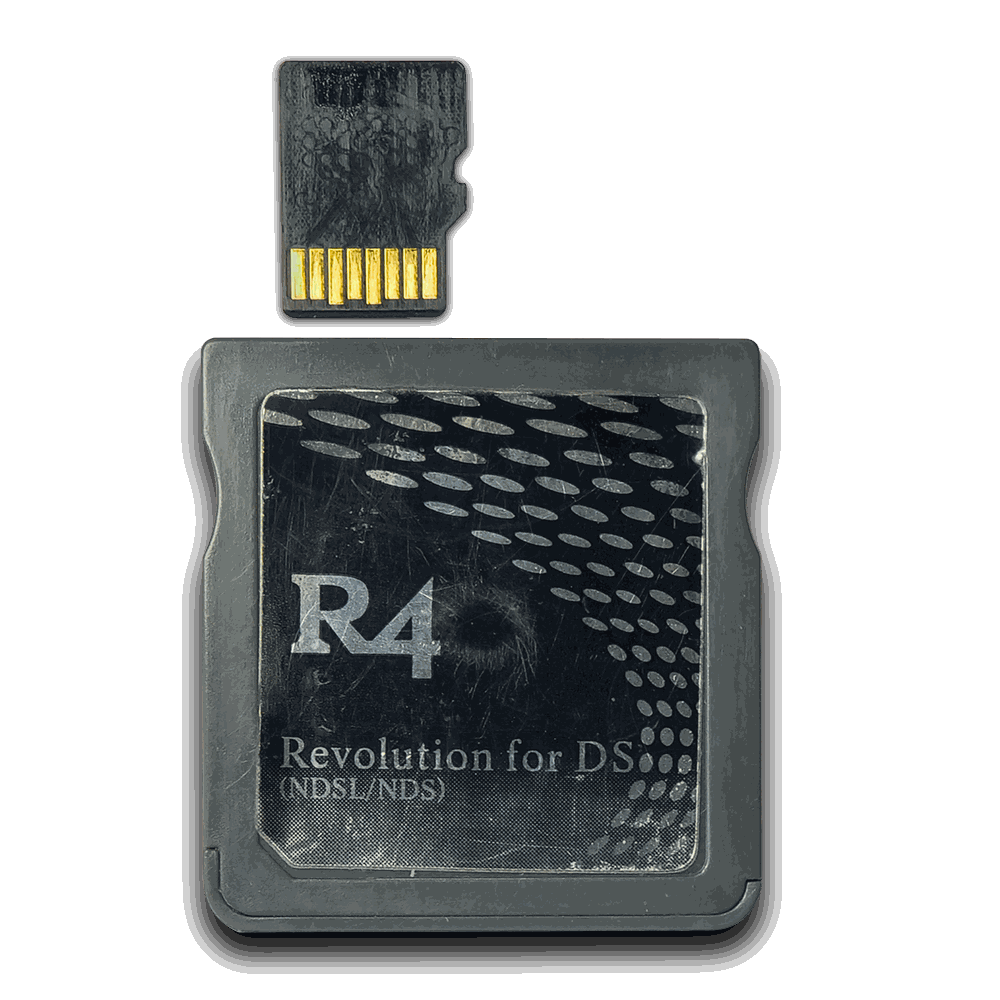
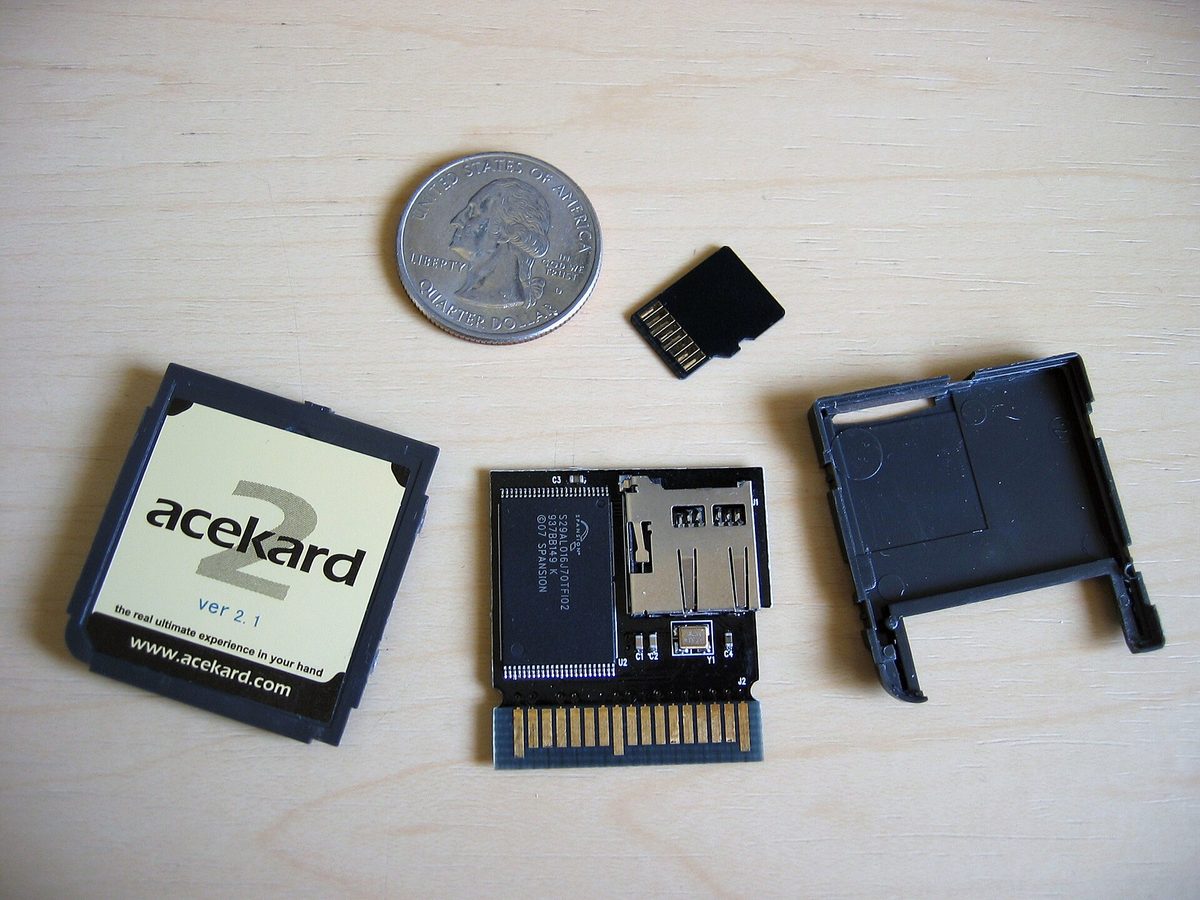
The DS family is subtler. Some reproduction DS games are simply an R4 card — look for the opening at the top of the cart where an SD card slides in; no genuine DS game has one. A genuine cart carries the opposite tell: a very small notch at the top of the cartridge — a slight impression at the seam, left by the manufacturing process, that marks it as an original. Beyond that, look for pin scraping from years of insertions, and judge the label’s age and colouration. Certain DS Pokémon games — SoulSilver and White Version 2 — have one more trick: their cartridges are opaque, so shine a light through one and you can see the board’s workings and a pinkish glow straight through the plastic. That glow is a key indicator of an original. (Our Nintendo DS buying guide covers the hardware side.)
Discs, consoles and boxes: the rest of the shelf
The same principle runs down the rest of the shelf: check what a copier cannot easily copy.
Start with the disc itself. A genuine disc carries an inner holographic security ring with the manufacturer’s logos, and its full art printed on top. The most common may be a stack of “Dreamcast” games passed off as having value, when they are simply burned CDs — the Sega Dreamcast shipped with a security flaw that made its games trivially easy to pirate. A burned disc in a printed sleeve is worth what a blank CD is worth, whatever the seller calls it.
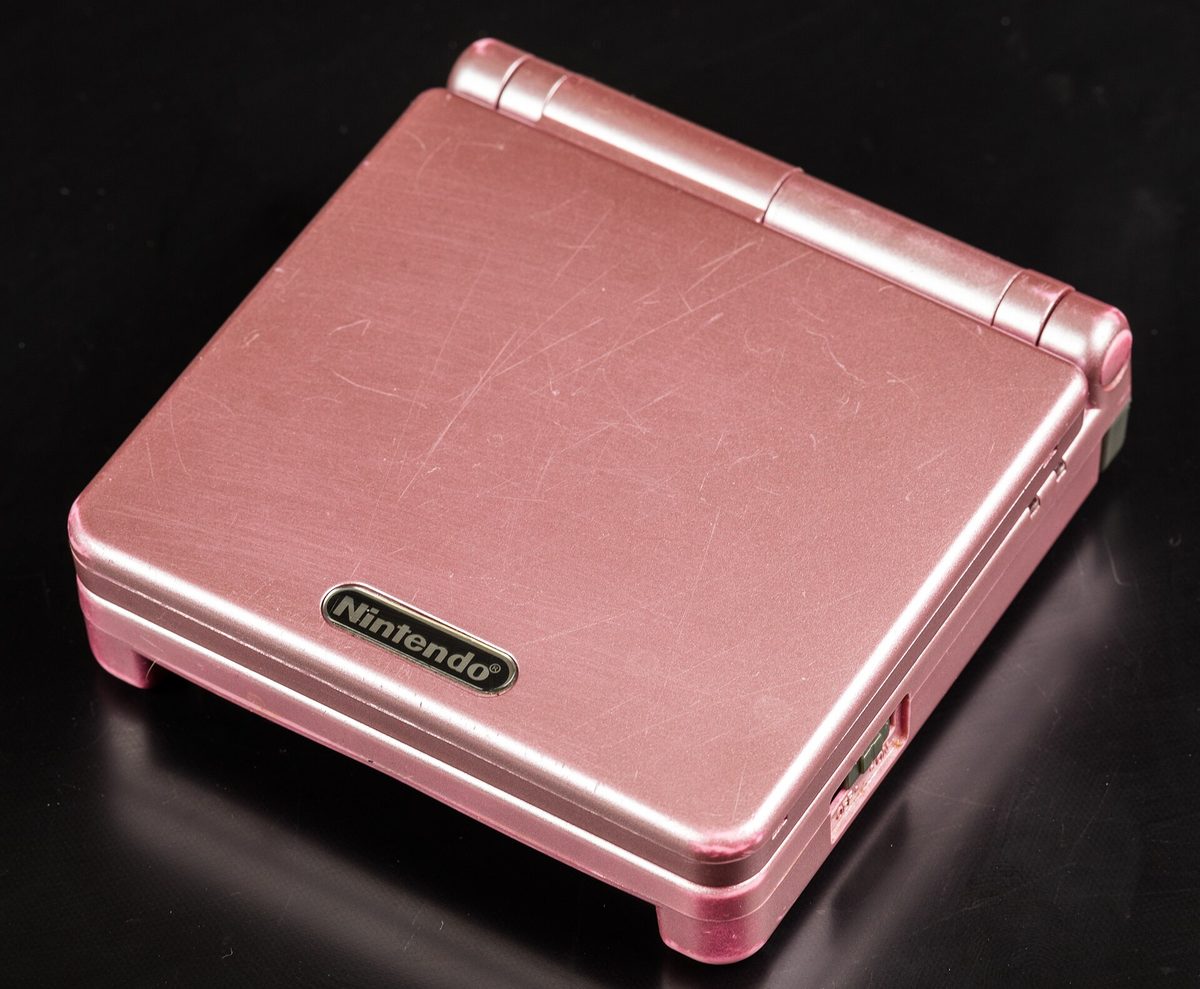
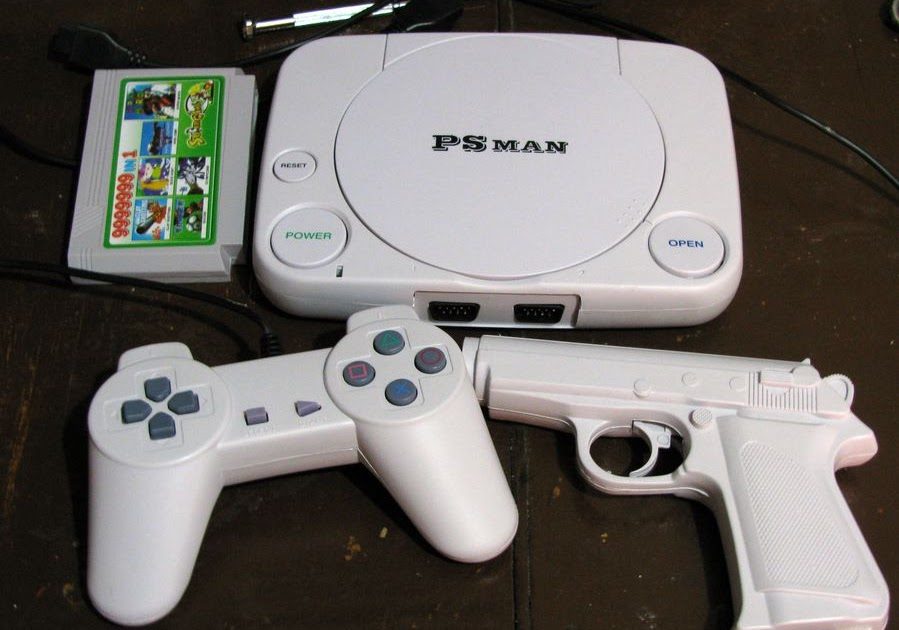
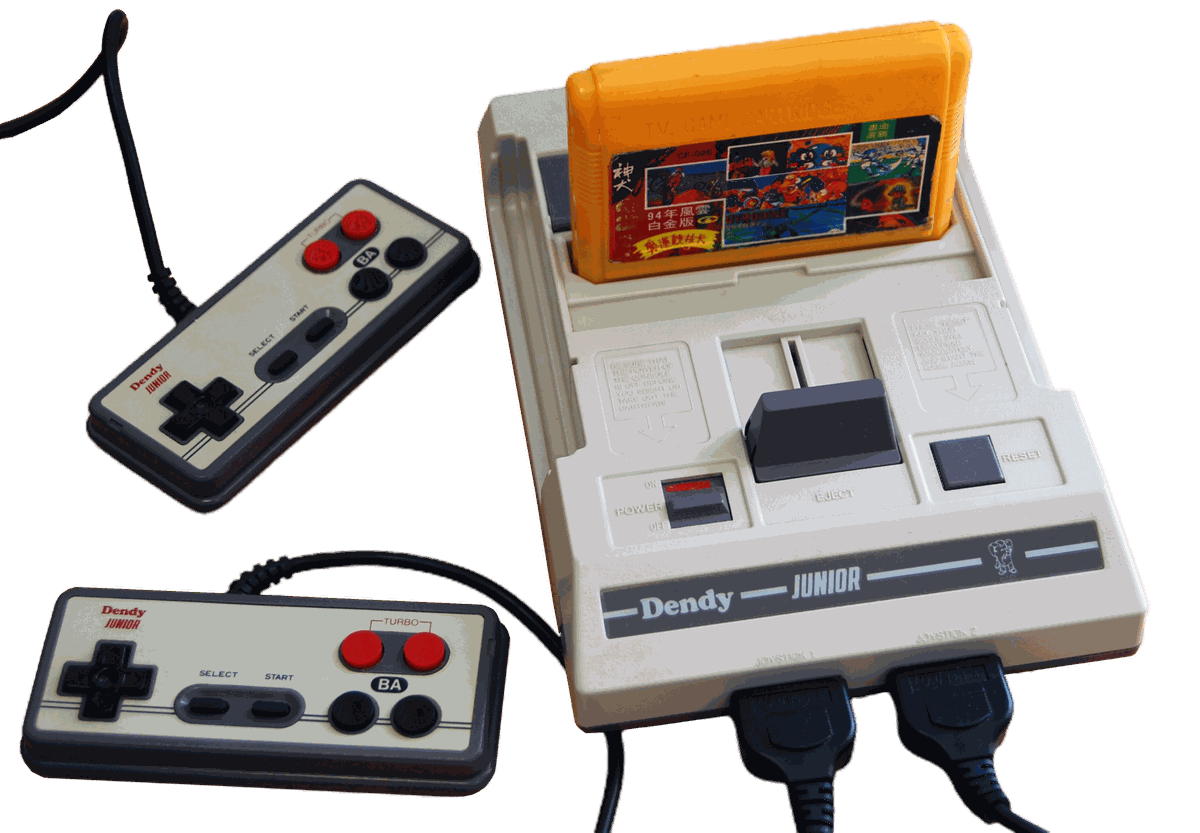
A console states its region on the bottom or back — NA for North American, J for Japan — and that one letter can be the whole story. Consoles carry two myths of their own. The first: a modded machine is worth more. The collector market says the opposite — the more original, the better. Anyone can apply homebrew mods, especially the digital kind, and doing so does not increase its value. The second myth is the region trick: sellers on third-party apps offering Japanese consoles — generally region-locked — passed off as ordinary North American machines at North American prices. Ventura knows customers deceived exactly that way, who found out at his counter. Remember the one-letter check: NA or J, on the bottom or the back.
Reproduction boxes, manuals and inserts are out there too — but they are the easy end of the problem. Put a reprint next to an original and the difference is not subtle: the reproduced boxes and manuals look quite ugly, in Ventura’s assessment, beside the vibrant colours of the real packaging. If you are paying complete-in-box money, compare the print against a known original first.
Educate, don’t accuse
So what happens when the checklist fails a cart at his counter? Nothing dramatic — and that is deliberate policy. “We never treat anyone like they were doing it intentionally, whether we know they were or not,” Ventura says. “It is our policy to treat it as an opportunity to inform the customer that the games they are selling are not officials, and we go through the steps to show them real versus fake, and prove our case as to why we cannot buy the games.” Many of those customers were themselves deceived when they bought the games — the counter is where they find out, kindly and with the evidence in hand.
Has a fake ever slipped past the team and been bought? No. “Fortunately, my team is up to speed in what to look for in spotting fakes, so we have not had an incident where one of us ever bought a fake game.” The near-misses run the other way. Every now and then a seller brings in an untouched Game Boy Pokémon game from childhood, never played, zero wear — so pristine that at first glance you would think it had to be fake, until you realise the game was simply never used. Wear is evidence, and so is its absence. The board settles the argument either way.
Starting out? Don’t be hasty
Ventura’s advice to anyone starting a collection today begins with three words: “do not be hasty.” Rush the hunt and you will come across games in bad shape — or worse, get scammed. His bigger complaint is aimed at shops that don’t do the preservation work: stock covered in old sale stickers, scratched discs and oxidised cartridges, slapped with a price and put straight on the shelf, untested and unwarranted. “This is a very ‘flea-market’ way of doing business,” he says, “so be careful where you shop.”
Be careful with the word “tested,” too. He has found that sellers’ definitions vary extremely — most of the time it means somebody turned the console on once, and sometimes not even that. Check discs for scratches and cartridges for oxidation yourself, or buy from a place where cleaning, testing and a warranty are the house rules. Take your time and enjoy the hunt. The checklist above fits on an index card; the judgment behind it took years at the counter to build.
— Chip