
Reviews
Xevious Review: The Scrolling Shooter Grows Up at Home
Two buttons, two wars: Namco’s layered scrolling shooter with its bomb sight, hidden citadels and screen-filling mothership, whole on the 7800.
Two buttons, two wars: Namco’s layered scrolling shooter with its bomb sight, hidden citadels and screen-filling mothership, whole on the 7800.
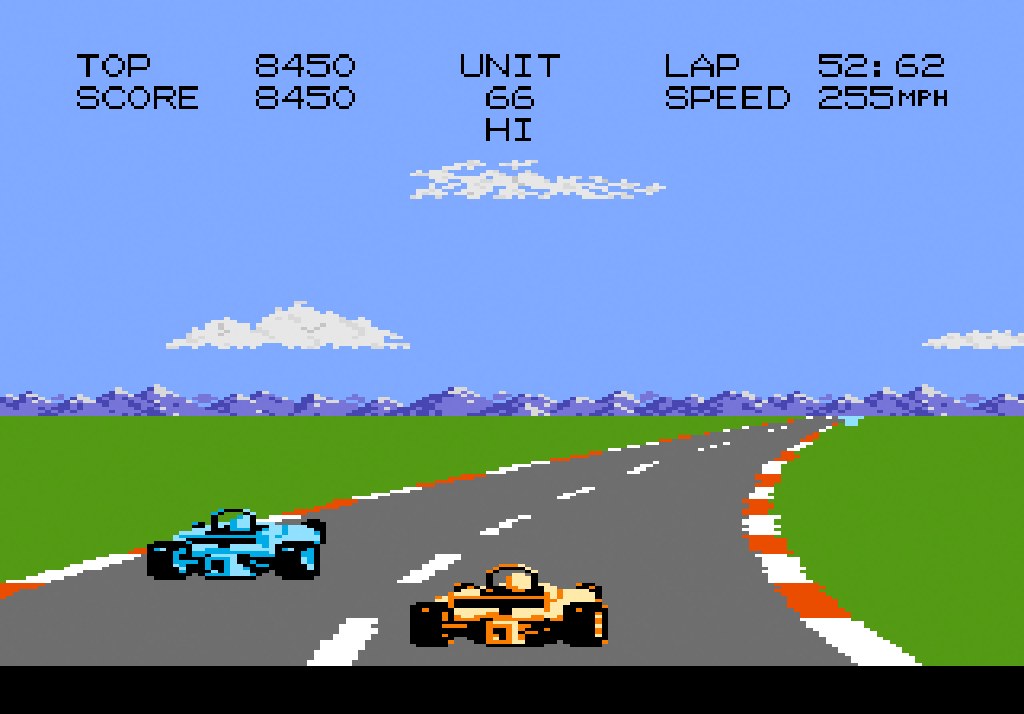
The 7800’s pack-in racer: four circuits — Test, Fuji, Suzuka, Seaside — honest qualifying and genuine speed, judged forty years on.
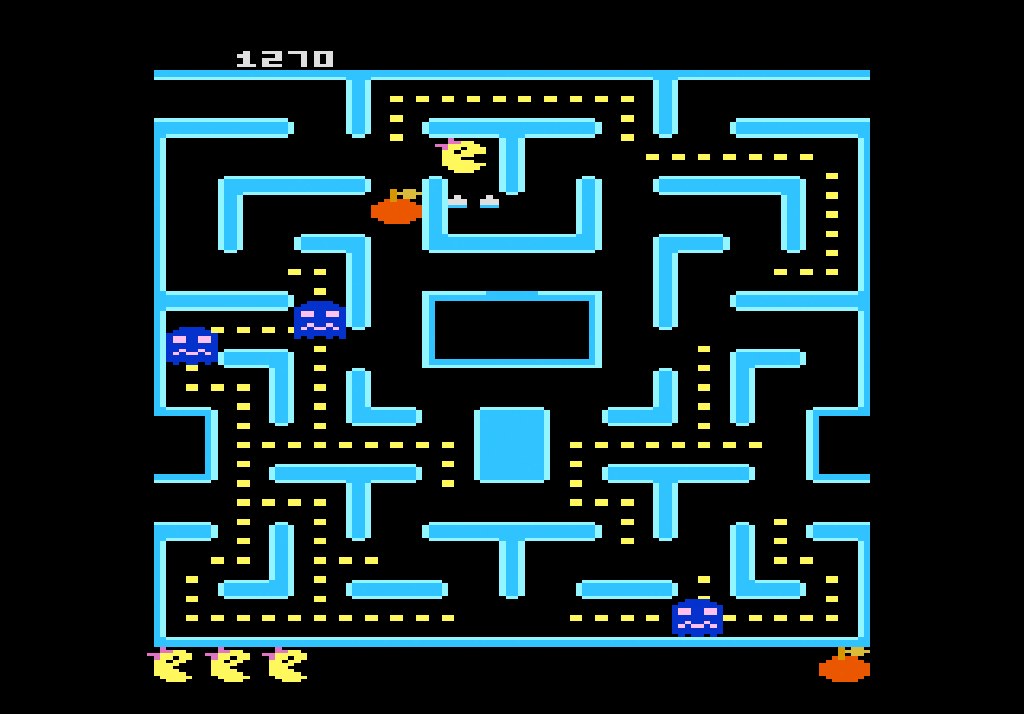
GCC invented her, built the console she runs on, and ported her perfectly: four mazes, bouncing fruit and the intermissions, all present and correct.
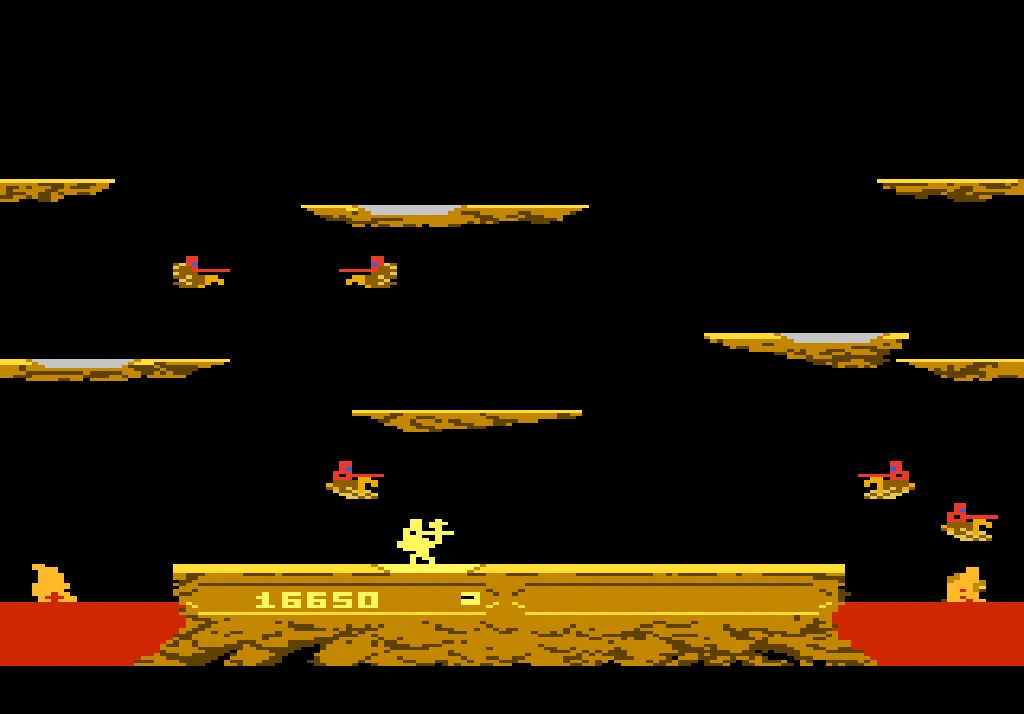
Williams’ one-button aerial duel, complete with the full rider ladder, the pterodactyl and both two-player modes. The definitive home Joust of its era.
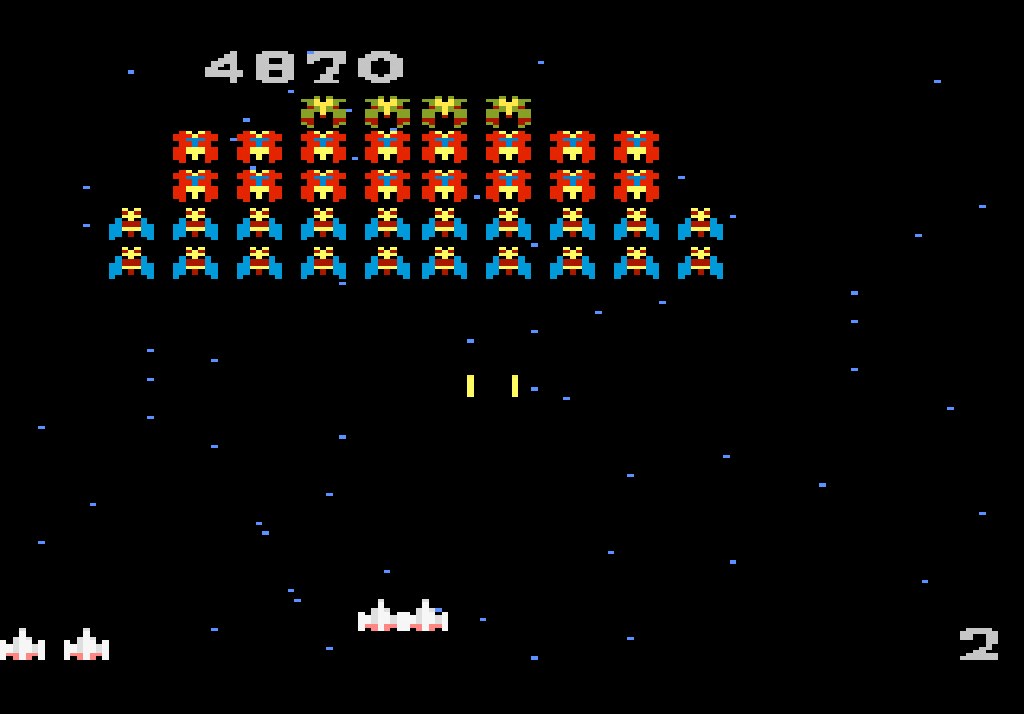
The finest home Galaga of the 8-bit years: the captured-fighter bargain, the challenge stages and the full formation, at full speed, on GCC’s hardware.

Namco’s tunnelling classic in its finest classic-era home form: rich strata, honest enemy behaviour, and the pump-versus-rock dilemma intact.

The arcade garden faithfully replanted — plus a simultaneous two-player mode no other classic-era Centipede offered. GCC’s launch port, reviewed.
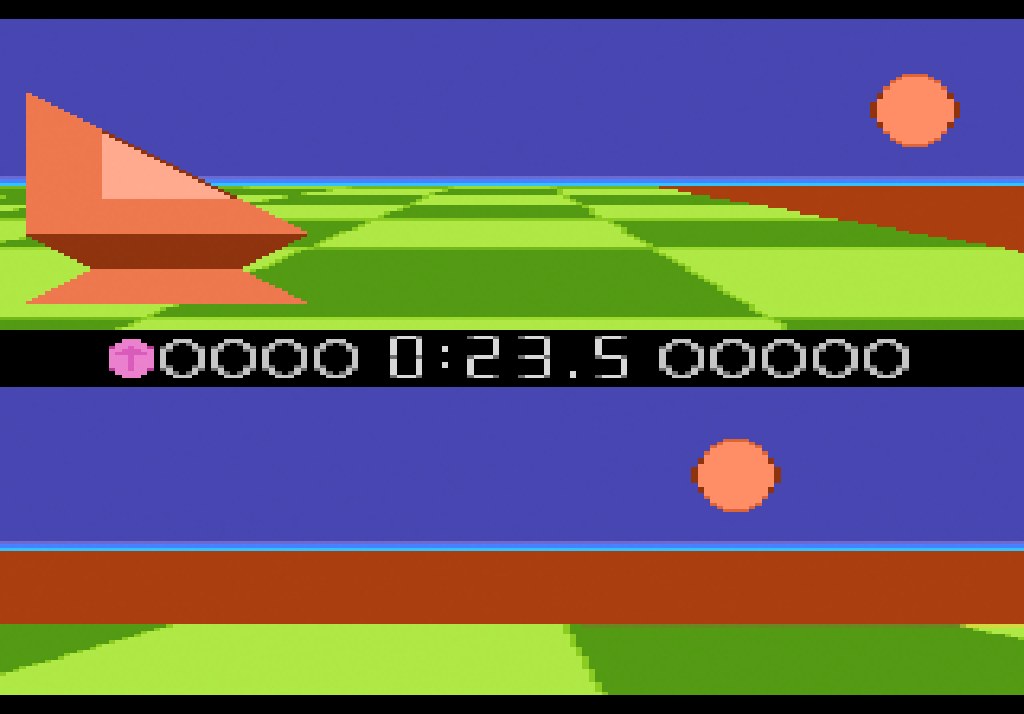
Lucasfilm’s first-person future sport on the 7800, with a POKEY chip in the cartridge supplying the finest soundtrack on the system. Our review of a top-five 7800 game.

GCC’s 1984 rebuild of the arcade classic gives the 7800 solid coloured rocks, a simultaneous two-player mode and the definitive home Asteroids of its era.
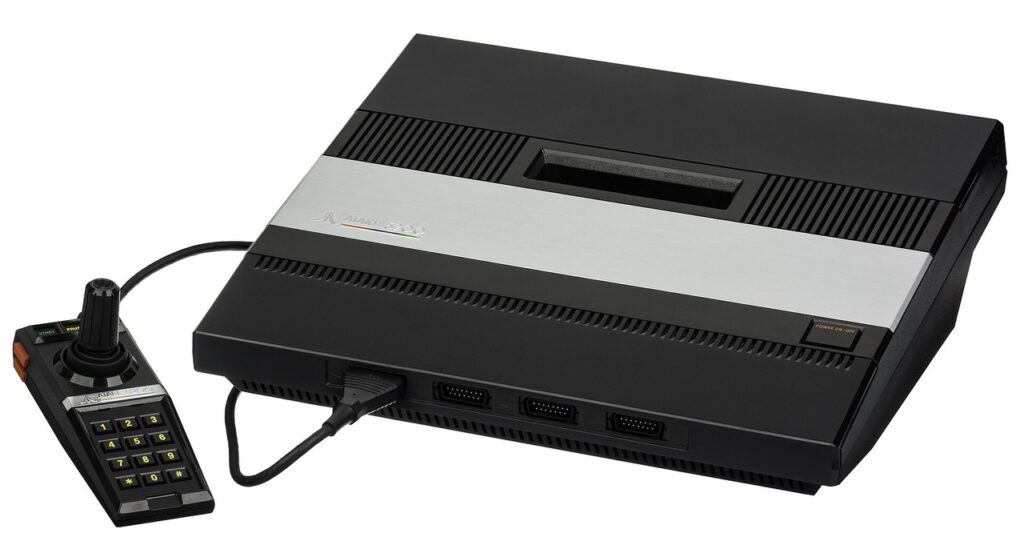
Four-port or two, switchbox traps, controller solutions, multicarts and what to pay: everything you need to buy and set up a 5200 today.