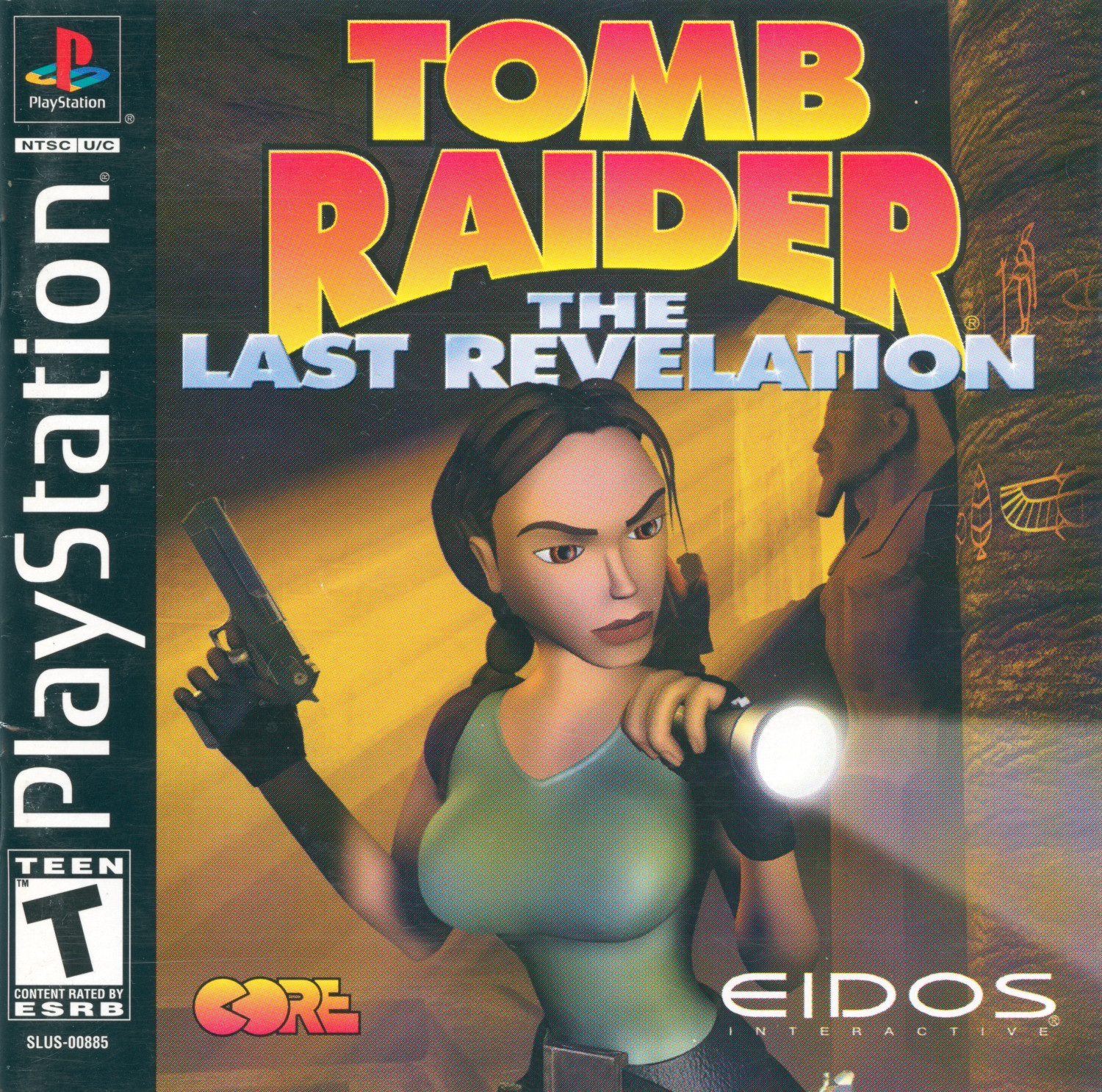
At a glance — Game: Tomb Raider: The Last Revelation · Developer: Core Design · Publisher: Eidos Interactive · Original release: November 22, 1999 (North America, PlayStation) · Original platforms: PlayStation, Microsoft Windows, Dreamcast, Mac OS · Genre: Action-adventure
Four games in four years. That was the deal in the late nineties, and Core Design kept it: a new Tomb Raider every autumn since 1996, whether the team had recovered from the last one or not. By 1999 Lara Croft was everywhere — magazine covers, lunchboxes, a U2 tour screen. The Last Revelation is the game that schedule produced when the people making it decided they’d had enough. It stays in one country. It follows one god and one bad decision. And it ends with the roof coming down on its heroine.
A Sixteen-Year-Old Lara in Cambodia
It starts in 1984. Angkor Wat, Cambodia. Lara is sixteen — braid, backpack, no polish yet — trailing her mentor Werner Von Croy through a temple while he talks her through the work. They’re after an artefact called the Iris.
The clever part is that the tutorial is the story. Von Croy’s running commentary teaches the player the jumps, the climbs, the crawls, plus what’s new: the sprint, the crawl, the rope swing. No training room. No Croft Manor detour. You learn the game inside a friendship.
Then the friendship breaks. Von Croy reaches for the Iris after Lara warns him off it. The mechanism catches him, the chamber starts coming apart, and she runs. She gets out; he doesn’t, not with her. Ten minutes of play, and the game has its engine for everything after: fifteen years of frost, then a reunion in Egypt where neither side has forgiven anything. Von Croy was the series’ first real recurring rival, and he lands because you saw what he was to her before you saw what he became.
Tomb Raider: The Last Revelation Stays in Egypt
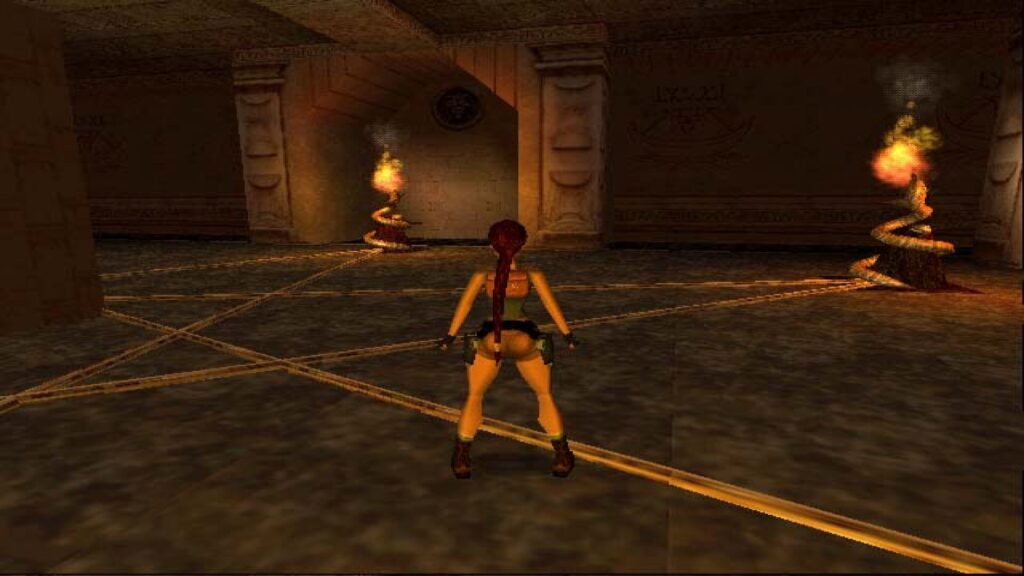
The earlier games hopped. Peru for a bit, Venice for a bit, pack a bag, move on. This one plants its feet. After Cambodia it’s Egypt all the way — the Valley of the Kings, Karnak, Alexandria, Cairo, Giza — and the levels don’t sit in a neat row. They join up. Big complexes, rooms you’ll cross three times for three different reasons, doors that only make sense hours after you first pass them. Less tour, more dig. You live in these places.
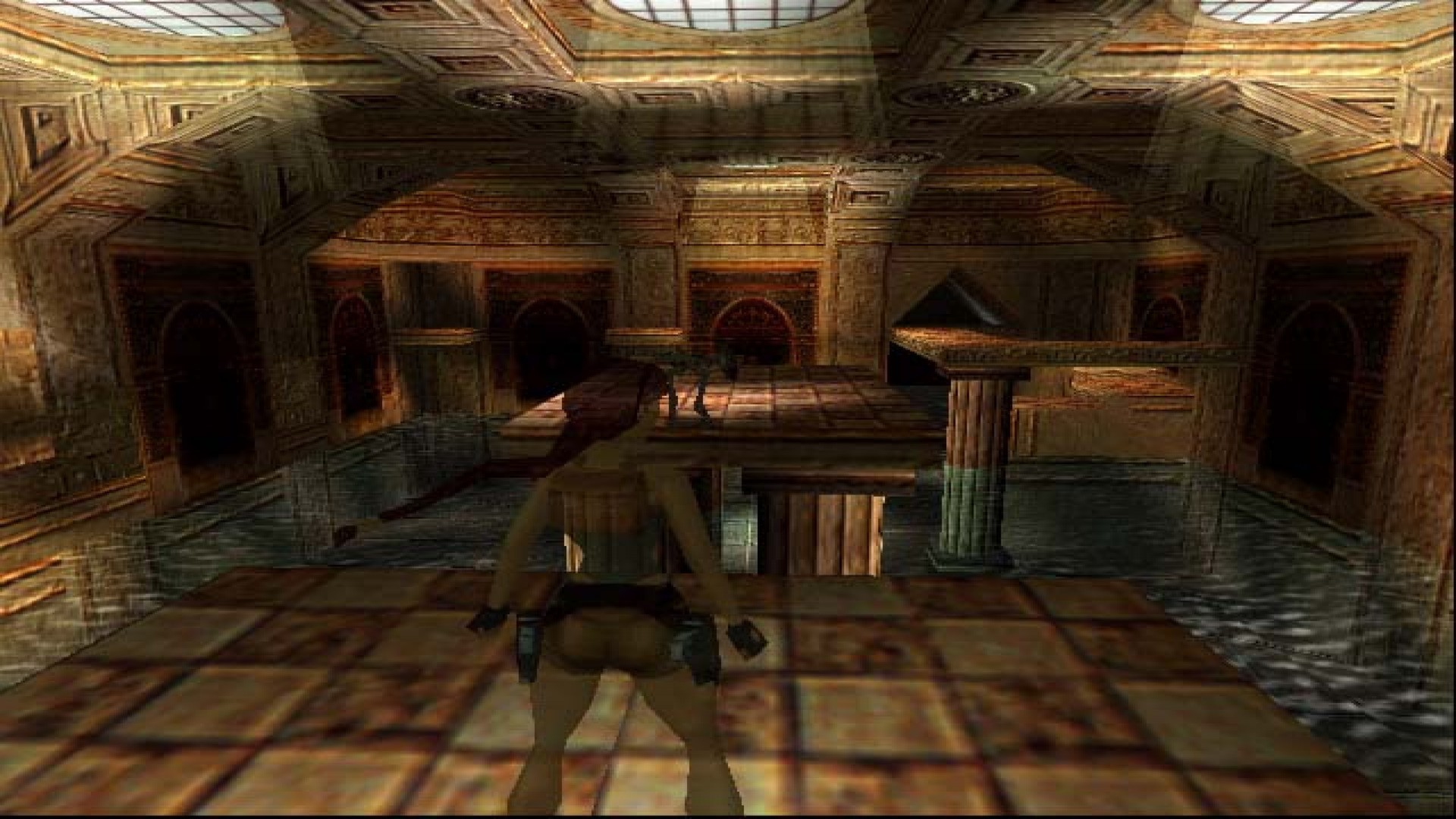
Underneath, it’s still the 1996 machine. Tank controls. Grid movement. Nobody would call it fluid, even then. But the spaces are denser than before and the puzzles run longer — sometimes across several levels at once. The tomb of Semerkhet makes you play Senet against a ghost for the way forward, which is the team at its most playful. The Lost Library of Alexandria is the team at its most patient. Plenty of players in 1999 didn’t have that patience, and honestly, some of the backtracking is hard to read even now. Fair complaint. What the single country buys, though, is mood. None of the other Core sequels feel like this one. Egypt isn’t scenery here. It’s the whole argument.
Set, Von Croy and the Race for the Armour of Horus
Lara makes the mistake herself, early. In the Tomb of Set she lifts the Amulet of Horus from its resting place, and the inscription tells her what that means: Set, god of chaos, was imprisoned by the amulet. She’s just let him out. Her guide sells her to Von Croy before the dust has settled, and the rest of the game is one long attempt to put the god back in his box.
The method comes from her friend Jean-Yves, and it’s pulp Egyptology of the best kind. At the turn of the millennium, Horus can be called into a stone statue — if the statue is wearing his Armour, and the Amulet is powering it. So off you go. The Armour pieces are scattered through the ruins under Alexandria, in Cleopatra’s palaces and the Pharos, and Von Croy’s men are digging in the same sand. He ambushes Lara at Karnak and takes the Amulet. Later he takes Jean-Yves, and offers Cairo a trade: the Armour for the man. On the road there, Set takes Von Croy. Possesses him, outright. The mentor who taught Lara how to raid a tomb finishes the game as the vessel of the god she freed. That’s a cruel piece of plotting, and the game knows it.
The Ending That Tried to Kill Lara Croft
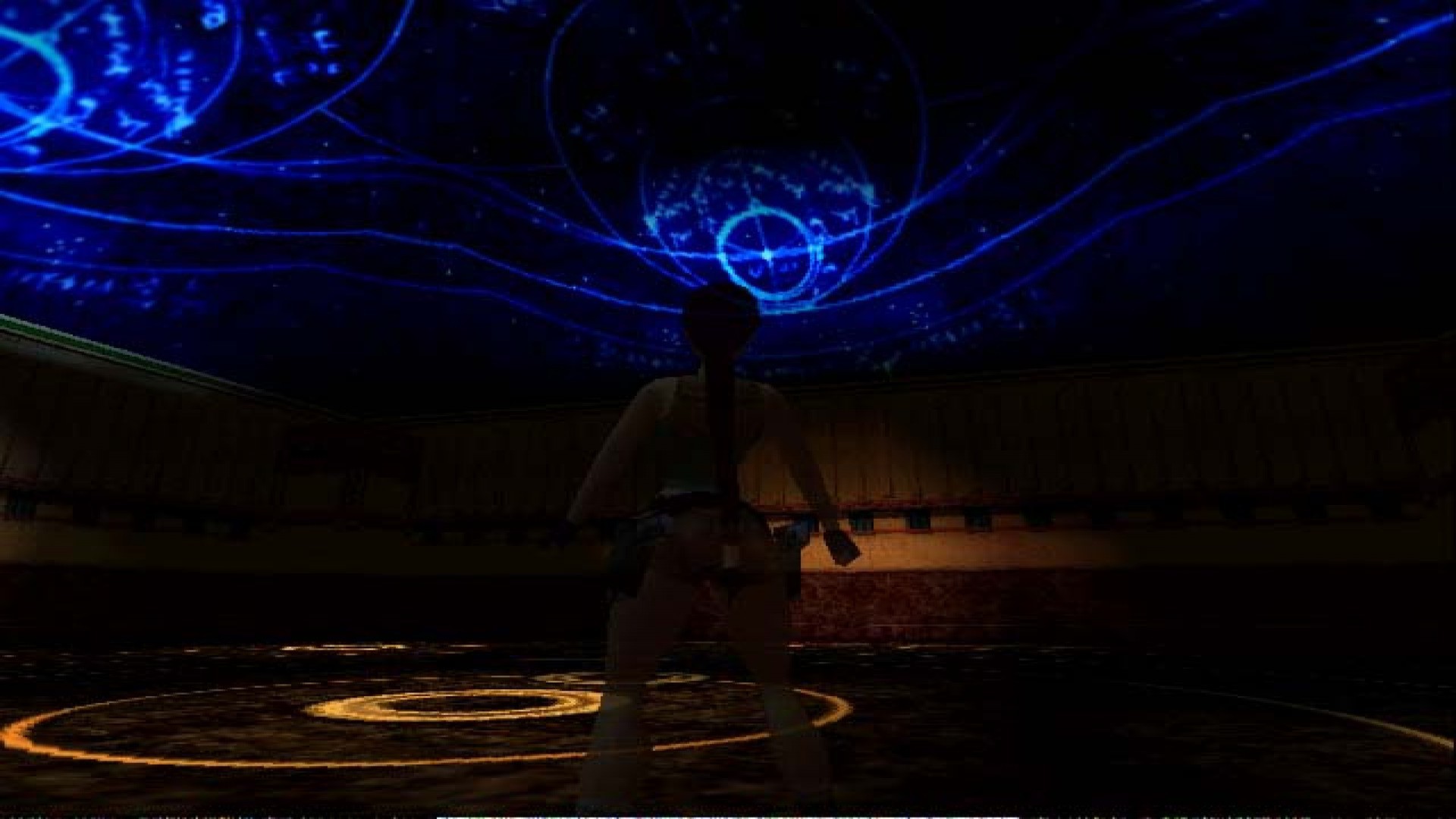
It ends under the Great Pyramid of Giza, in the Temple of Horus. Lara gets the Armour onto the statue. Set gets there first anyway — smashes the Armour, knocks the Amulet into the water. She fishes it back, seals the temple door with it, traps him inside. Job done. Then the pyramid starts coming down on her.
She crawls out of the wreckage injured, barely moving, and finds Von Croy at the entrance with his hand out. She hesitates. Play the fifteen hours before this moment and you’ll hesitate too. The floor gives way. Lara falls into the dark.
That was supposed to be final. Core’s staff were worn down by four straight years of annual Tomb Raider, and they wrote the story to end with Lara’s death. Eidos, sitting on the most valuable heroine in the business, was never going to allow it — two more Core games followed. But the ending on the disc never blinks. No wink. No post-credits rescue. In 1999 the biggest heroine in games went into a hole in the ground, and the credits rolled over it. Players wrote letters about that. It’s still the boldest ending the series has managed.
A Return to Form, With the Cracks Showing
Reviewers, on balance, liked the focus. GameRankings had the PlayStation version at 79%. IGN’s David Zdyrko gave it 8.5 out of 10 and called it the best in the series yet — while doubting it would win back anyone who’d already drifted away. James Price, in Official PlayStation Magazine, went all in: a perfect 10. GameSpot’s James Mielke went the other way, 6 out of 10, solid foundation, but Eidos was milking the series, he said. Both camps had hold of something true. The game has carried the two verdicts ever since — return to form, formula running thin — and the odd thing is how comfortably they sit together.
None of it hurt sales. Eidos spent $5 million marketing the game, its largest campaign to that point, down to demo discs handed out with Pizza Hut orders. By 2009 it had sold over five million copies: the fourth best-selling Tomb Raider title. And in December 1999 there was The Times Exclusive, a standalone bonus level Core built with The Times of London around a newly discovered section of Tutankhamun’s tomb. It opens with Lara visiting the newspaper’s editor, Peter Stothard, in his office. A national newspaper commissioning a game level — that’s where Lara stood at the end of the century.
The afterlife has been kind to it. Dreamcast and Mac OS versions arrived in 2000. In 2025 it came back in Tomb Raider IV–VI Remastered, and a new audience got to reach that ending and sit with it — and the 1996 original is now being remade as Tomb Raider: Legacy of Atlantis. Twenty-seven years on, this is the Core game I’d hand a newcomer first. It’s the purest version of what Tomb Raider was, made by people who loved it enough to try ending it properly. The tombs were always the point. This is the one that never leaves them.
— Sal
For more launches from this date, see This Day in Gaming History: November 22.