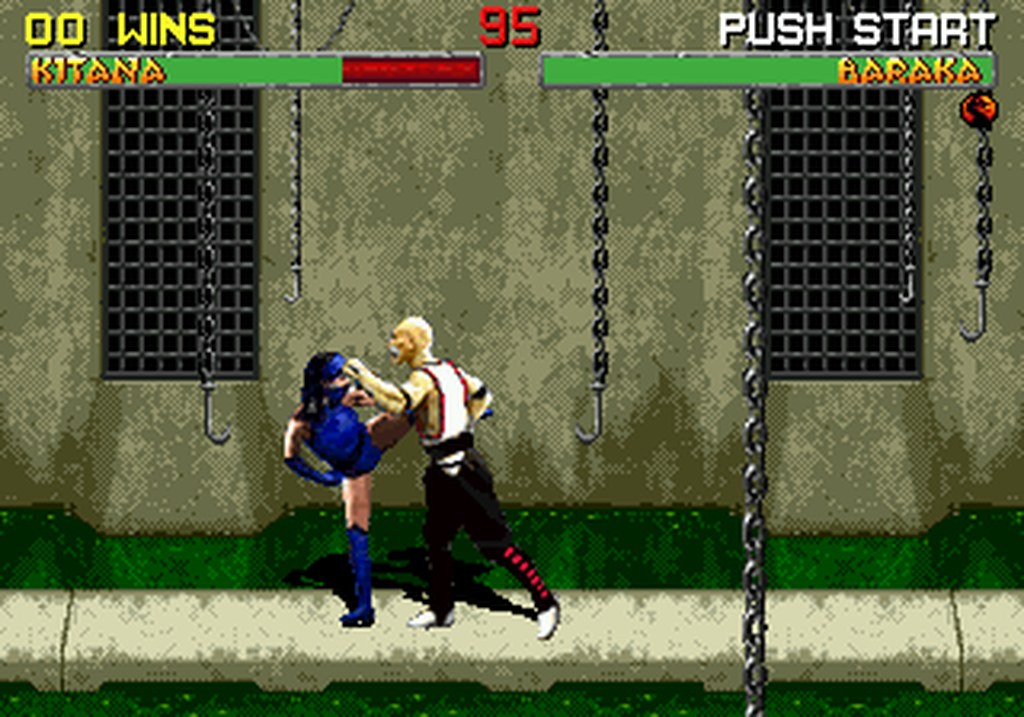
Mortal Kombat II 32X Review: More Fighters, More Blood, the Arcade Comes Home
The fullest Mortal Kombat II of the 16-bit generation: bigger sprites, more animation, all the fatalities — and a six-button pad finally earning its keep.
From the Vault columnist. Grew up feeding quarters to the Ms. Pac-Man machine at his uncle's pizza place; still owns his childhood SNES and every Nintendo Power he ever begged his mother for. Writes the retrospectives and the hidden-gem hunts.

The fullest Mortal Kombat II of the 16-bit generation: bigger sprites, more animation, all the fatalities — and a six-button pad finally earning its keep.

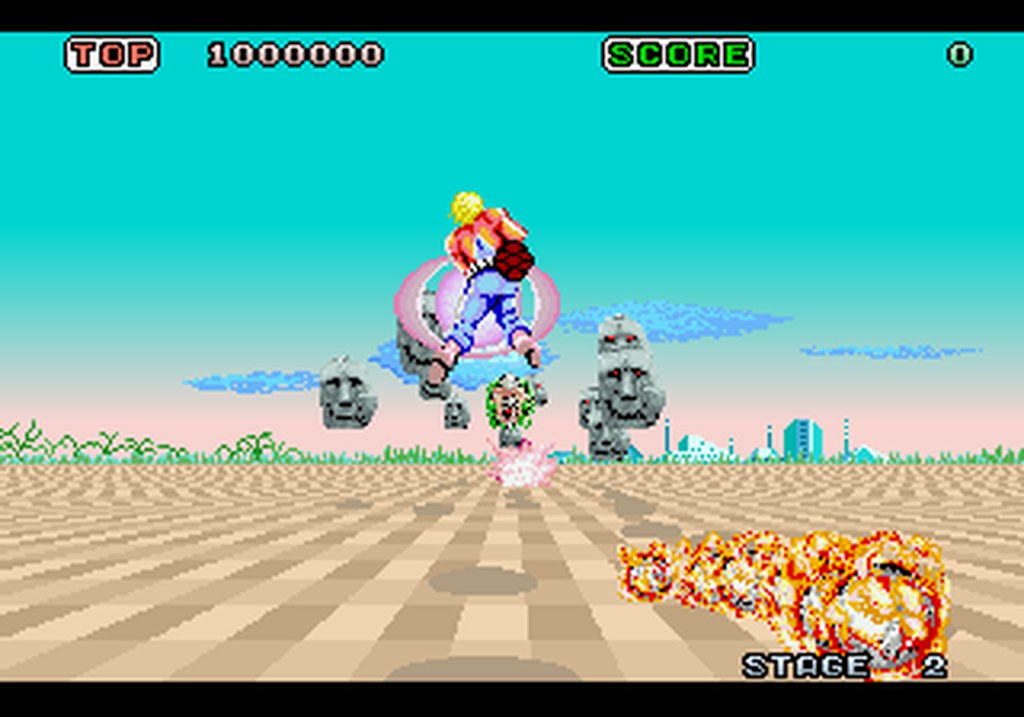
The 1985 super-scaler masterpiece whole at last: all eighteen stages, smooth as glass, with checkerboard ground racing beneath the Harrier’s feet.

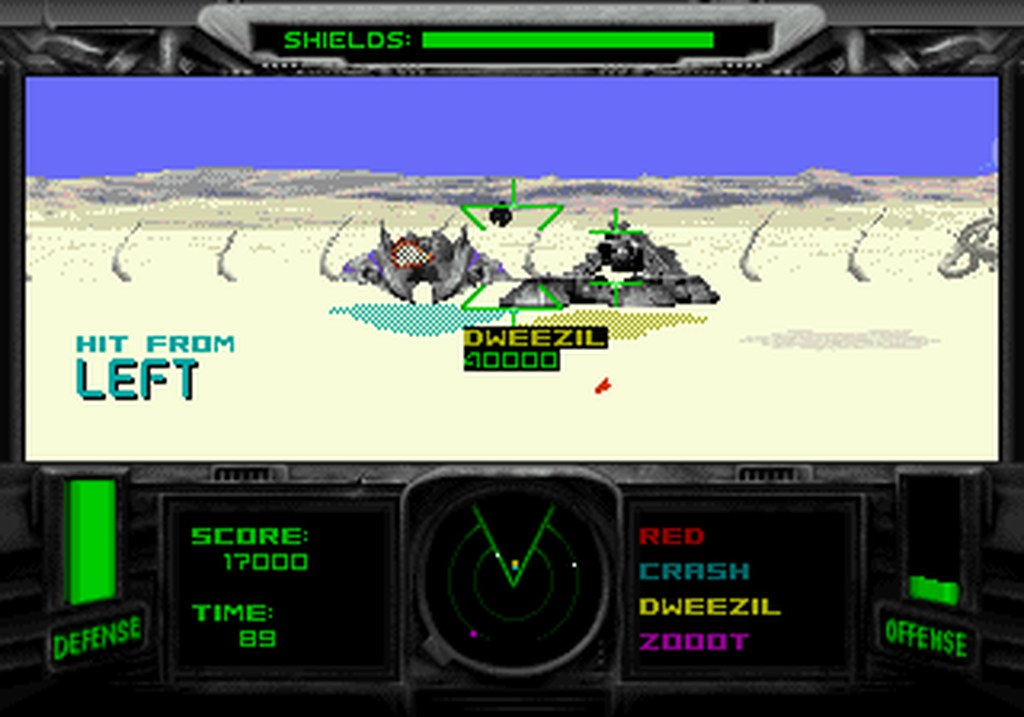
Six hover-tanks, maze arenas and a nemesis called Nazrac: the arcade’s sit-down duelling game converted with its split-screen soul intact.

Twelve-bike fields, dirty tactics and a split-screen mode in a launch-window racer whose ambitions keep outrunning its frame rate.

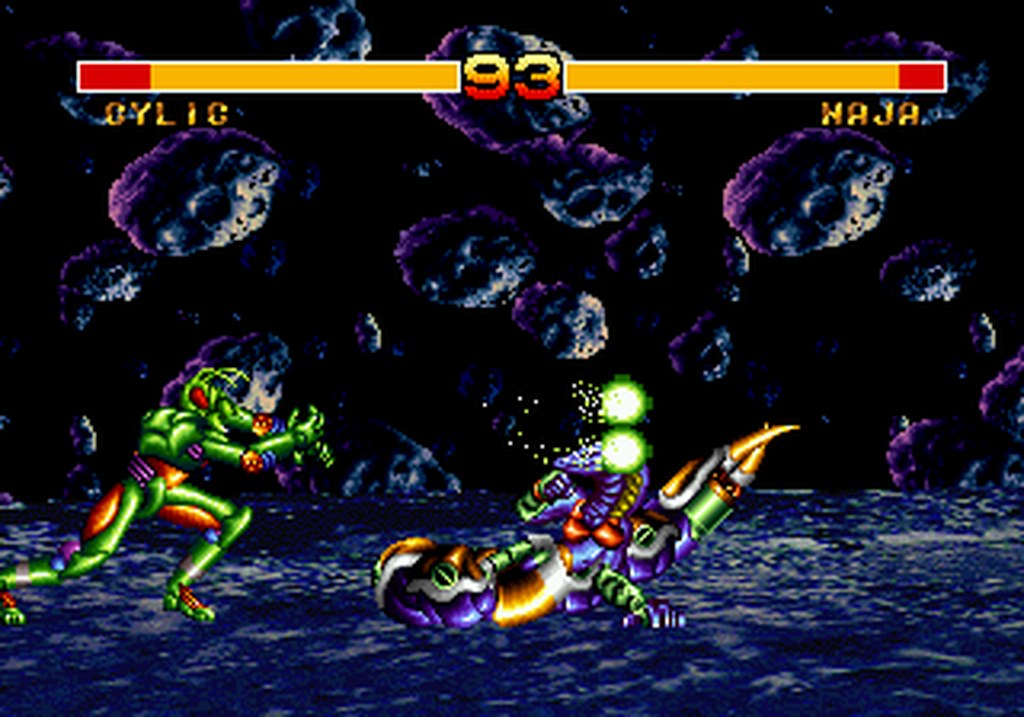
Armour you can knock off, a camera that zooms to the pixel, and ideas a generation early: the launch fighter that is more interesting than good.

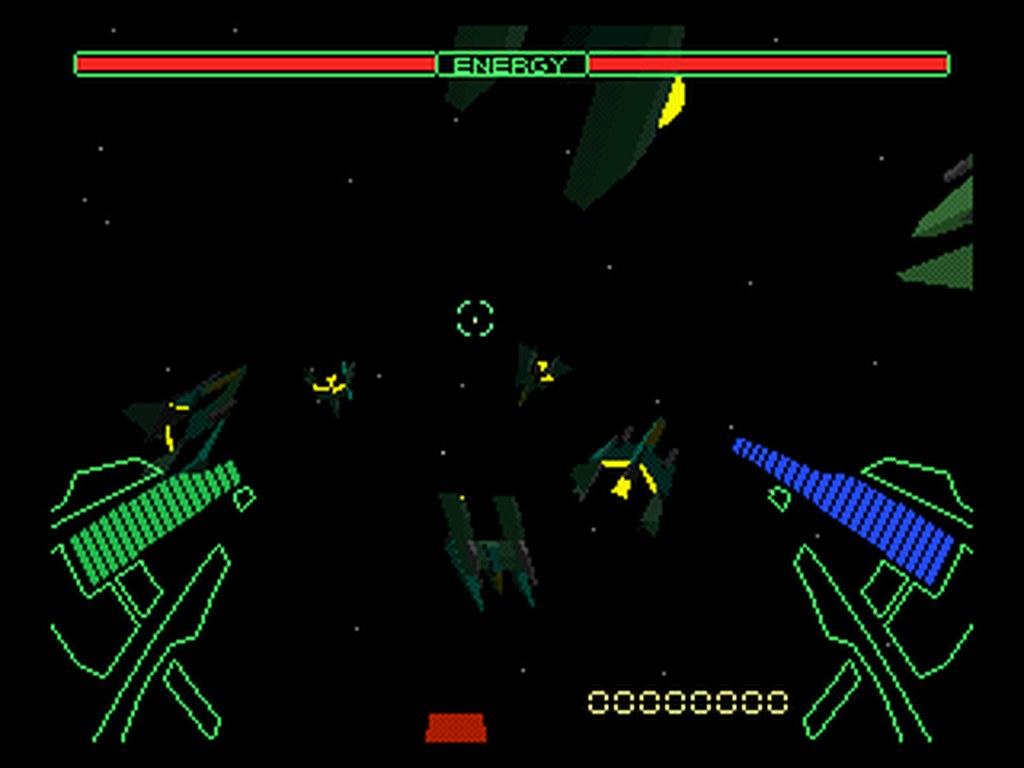
Free-flight polygon space combat with capital ships to gut from the inside of their defences: the thinking pilot’s 32X shooter, known in Japan as Stellar Assault.

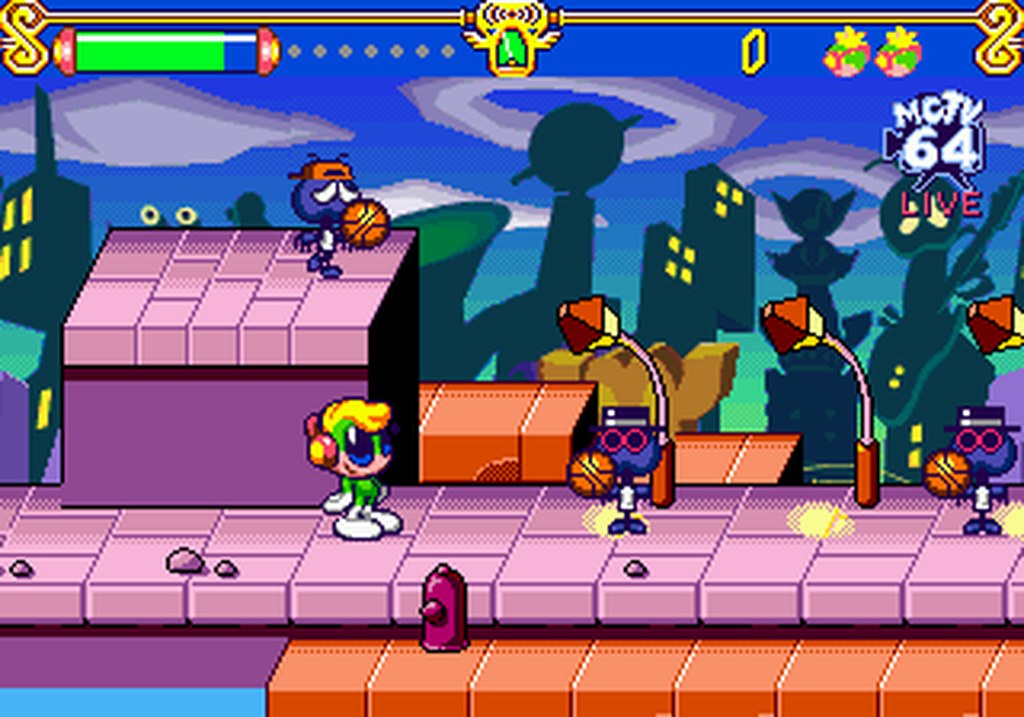
A musical grasshopper platformer of wild invention and wilder difficulty spikes: Red Company’s cartoon assault on the senses, powered by the 32X palette.

From the Ecco the Dolphin team: a hummingbird defends the Earth with a beak-mounted arsenal, in the most beautiful and baffling shooter of the 16-bit era.

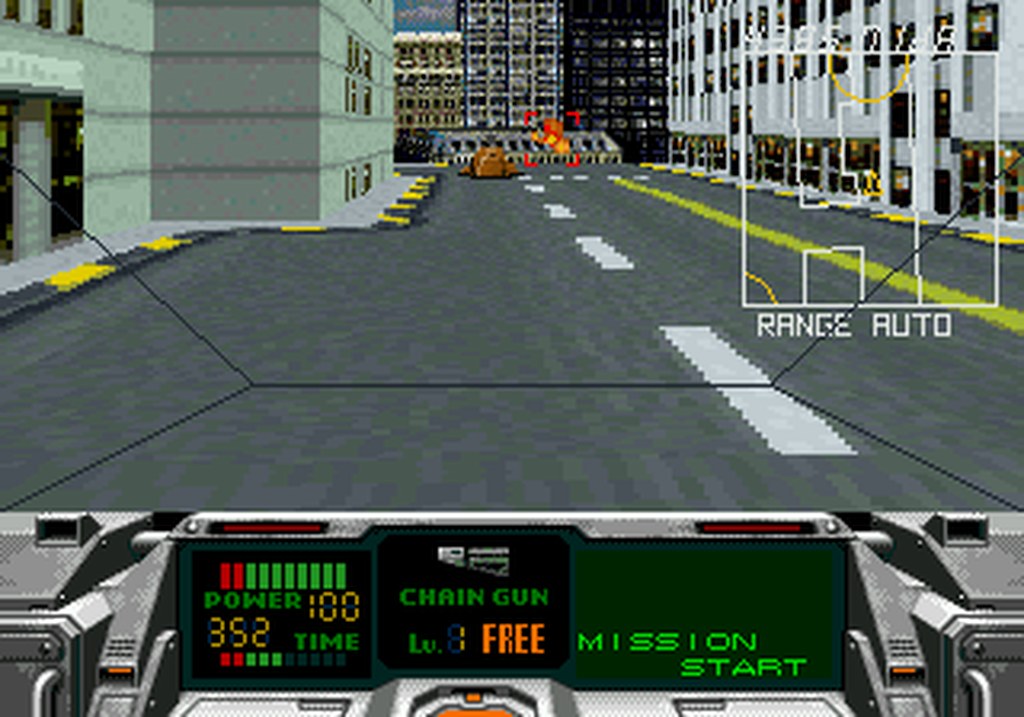
Texture-mapped city streets, talking pilots and a transforming mech: Sega’s own 32X showcase is the add-on’s most ambitious original game.

Seventeen levels in a bordered window with a soundtrack fans still argue about: the rushed launch port that is better than its reputation and worse than its legend.