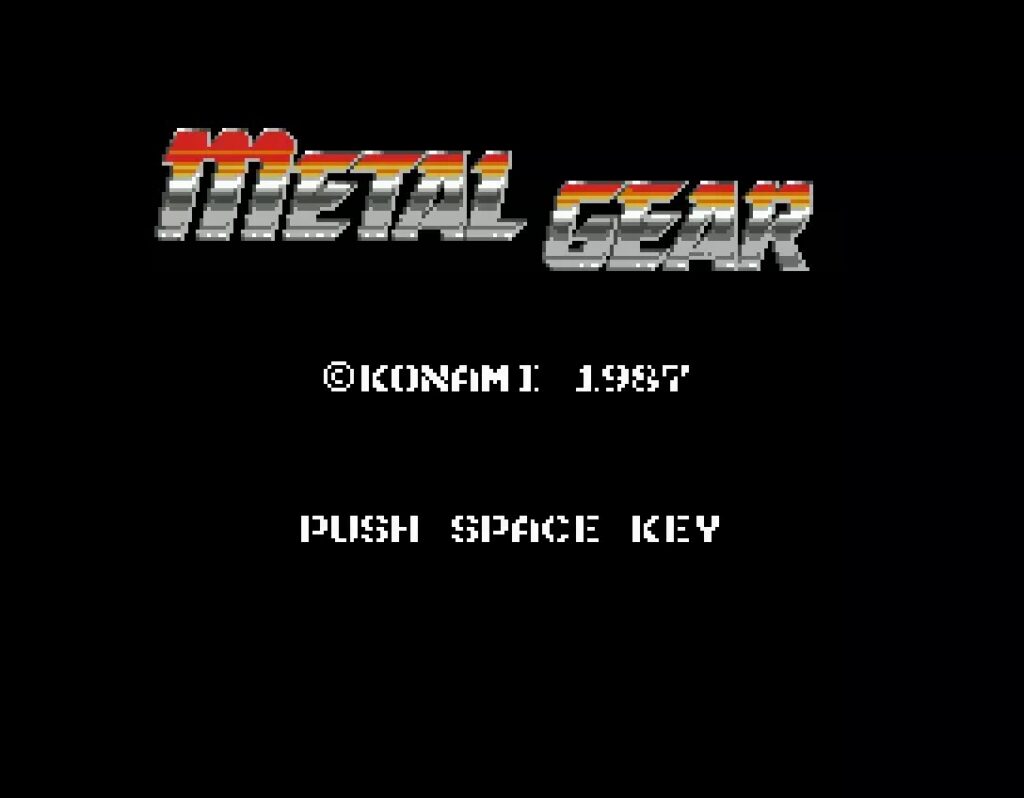
Metal Gear Review: The 1987 MSX2 Original That Invented the Stealth Game
Before the NES port, before Solid Snake was a household name, Hideo Kojima’s Metal Gear debuted on MSX2 in 1987 — and the stealth genre began here. Our review of the original.
From the Vault columnist. Grew up feeding quarters to the Ms. Pac-Man machine at his uncle's pizza place; still owns his childhood SNES and every Nintendo Power he ever begged his mother for. Writes the retrospectives and the hidden-gem hunts.

Before the NES port, before Solid Snake was a household name, Hideo Kojima’s Metal Gear debuted on MSX2 in 1987 — and the stealth genre began here. Our review of the original.

Quicksilva’s thieving invaders, Artic’s mirror-signed shooter, a guard, a swamp and a princess: ten verified ZX81 deep cuts from the second shelf.

Chess in 672 bytes, games in a kilobyte, a literature of technique in the magazines: the unexpanded ZX81 scene treated memory like the sonnet form.

A watch company took Sinclair’s wedge, doubled its memory, and broke the $100 barrier in July 1982. For eighteen months the future was a Timex.

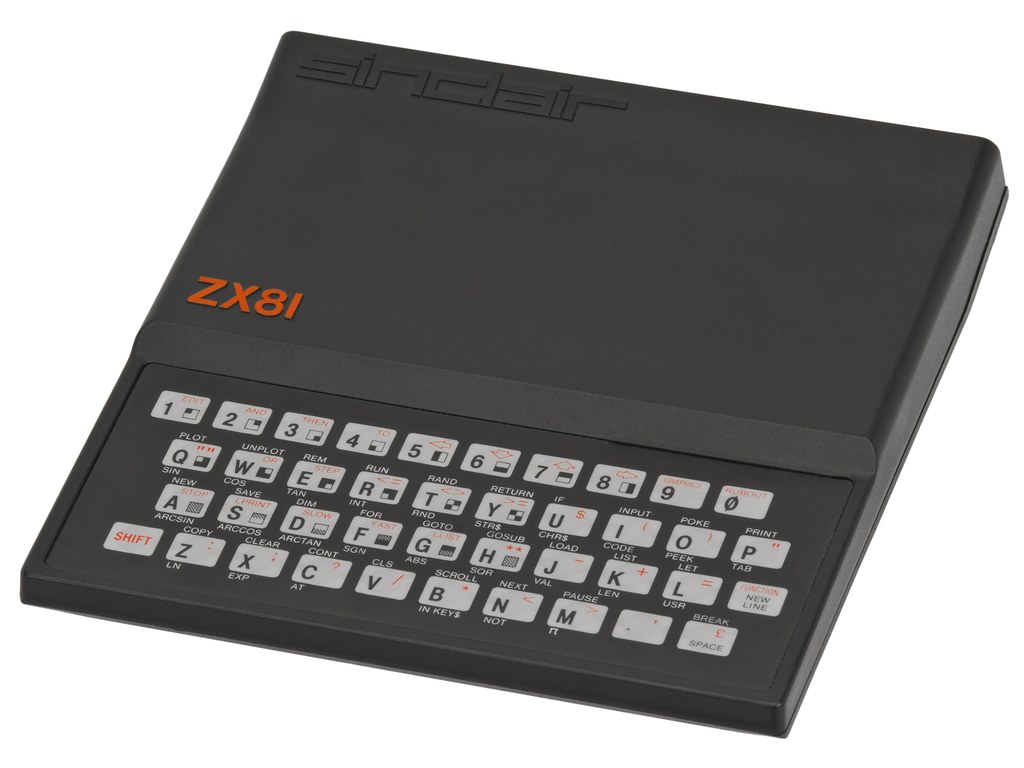
Launched 5 March 1981 at £49.95 in kit form, sold through a newsagent’s chain, the ZX81 put a computer in over a million British homes and bedrooms.

Don Priestley’s banana-republic satire is the funniest civics lesson of the 8-bit age: stay in power, rob the treasury, buy the helicopter.

PSS puts Donkey Kong’s girders, ladders and barrels on a machine with no platform games: the skeleton is the game, and the skeleton survives.

dK’Tronics translates Atari’s mushroom-garden masterpiece into character cells — the most natural arcade conversion the ZX81 ever received.

J. K. Greye’s 1981 dungeon keeps your accounts in two numbers — strength and gold — while the black map eats the white unknown.

The 3D Monster Maze team turns its block-graphics perspective from dread to action: Malcolm Evans proves his revolution was a method, not a miracle.