Reviews
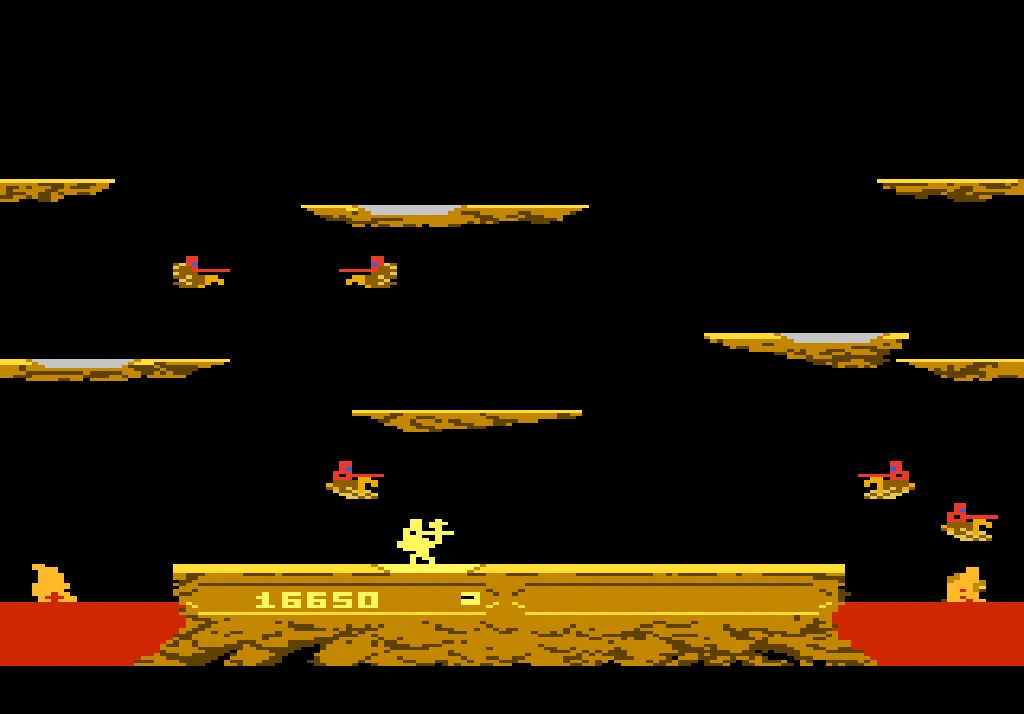
Joust Review: Flap, Bounce, Bragging Rights
Williams’ one-button aerial duel, complete with the full rider ladder, the pterodactyl and both two-player modes. The definitive home Joust of its era.

From the Vault columnist. Grew up feeding quarters to the Ms. Pac-Man machine at his uncle's pizza place; still owns his childhood SNES and every Nintendo Power he ever begged his mother for. Writes the retrospectives and the hidden-gem hunts.
Williams’ one-button aerial duel, complete with the full rider ladder, the pterodactyl and both two-player modes. The definitive home Joust of its era.
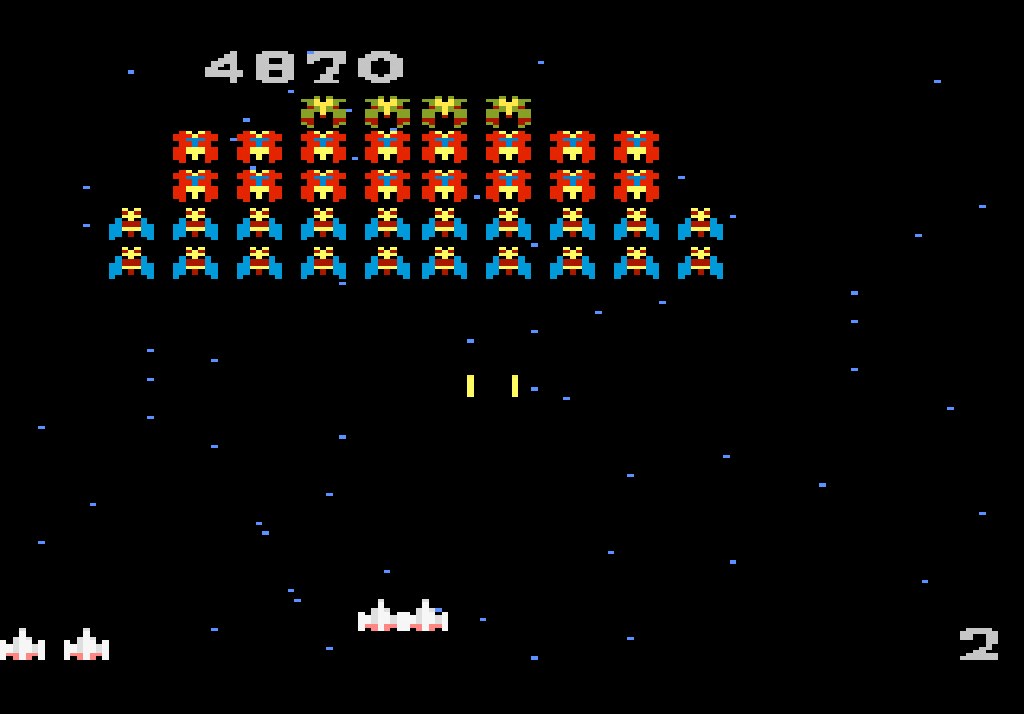
The finest home Galaga of the 8-bit years: the captured-fighter bargain, the challenge stages and the full formation, at full speed, on GCC’s hardware.

Namco’s tunnelling classic in its finest classic-era home form: rich strata, honest enemy behaviour, and the pump-versus-rock dilemma intact.

The arcade garden faithfully replanted — plus a simultaneous two-player mode no other classic-era Centipede offered. GCC’s launch port, reviewed.
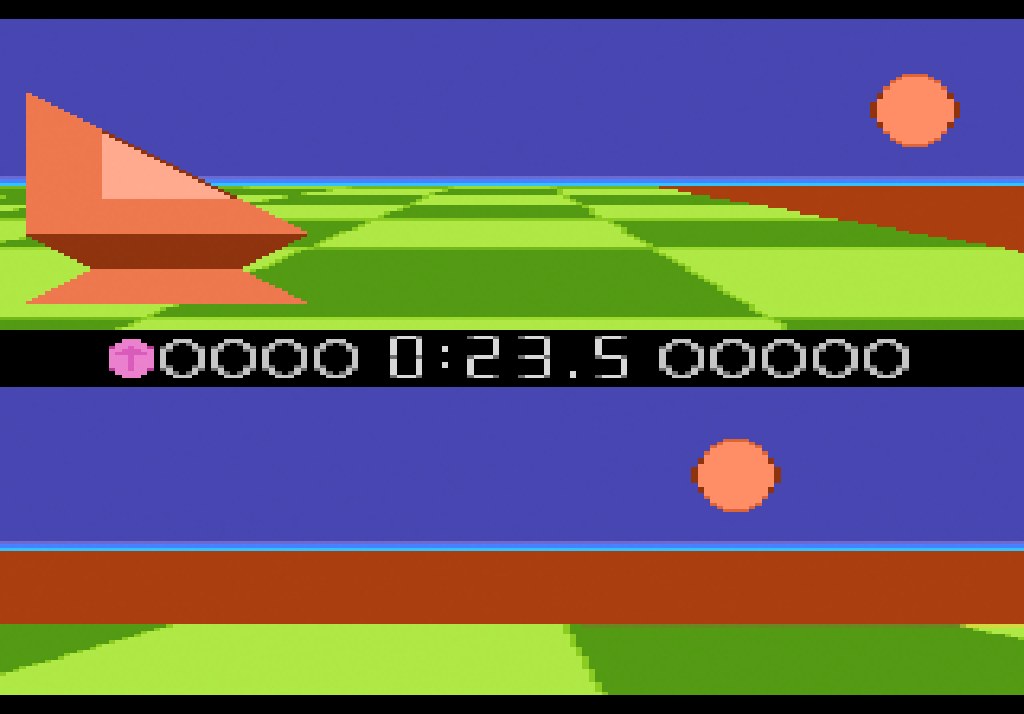
Lucasfilm’s first-person future sport on the 7800, with a POKEY chip in the cartridge supplying the finest soundtrack on the system. Our review of a top-five 7800 game.

GCC’s 1984 rebuild of the arcade classic gives the 7800 solid coloured rocks, a simultaneous two-player mode and the definitive home Asteroids of its era.

Gremlins at 6 a.m., Lucasfilm’s fractal rescues, Activision’s quiet masterpieces: ten 5200 games beyond the famous ports that every owner should play.

Beef Drop, Castle Crisis, completed prototypes and new cartridges in boxes: how the homebrew community gave the 5200 a second career.

Donkey Kong in one box, Super Breakout in the other: how the first great console war was fought, and what forty years of hindsight does to the scorecard.

The Last Starfighter, the unfinished Tempest and a drawer full of nearly-games: the lost library of the SuperSystem, and why it still matters.