Reviews
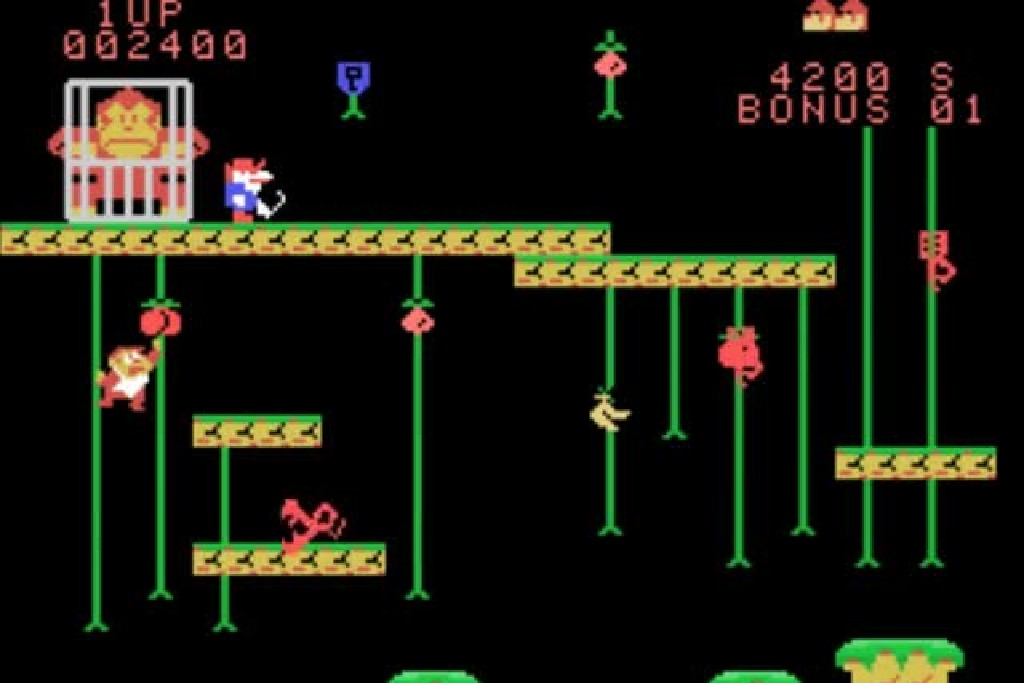
Donkey Kong Jr. ColecoVision Review: The Sequel Swings Higher
The ape is in the cage this time: Donkey Kong Jr. swaps girders for vines and chains, and its ColecoVision conversion is every bit as assured as the famous pack-in.

From the Vault columnist. Grew up feeding quarters to the Ms. Pac-Man machine at his uncle's pizza place; still owns his childhood SNES and every Nintendo Power he ever begged his mother for. Writes the retrospectives and the hidden-gem hunts.
The ape is in the cage this time: Donkey Kong Jr. swaps girders for vines and chains, and its ColecoVision conversion is every bit as assured as the famous pack-in.
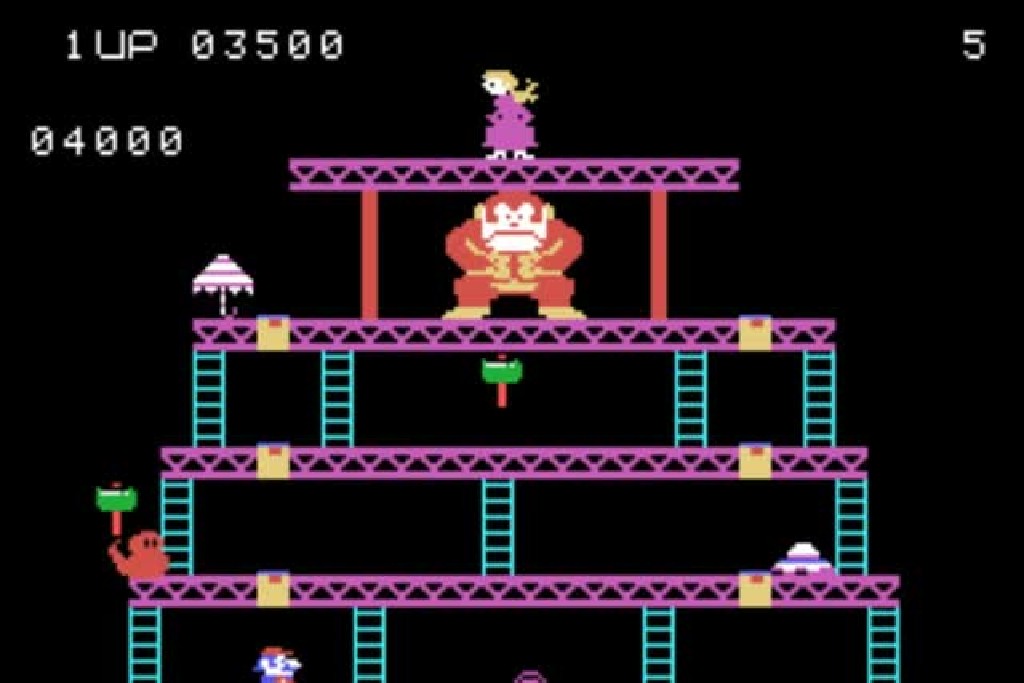
The cartridge in the box was the whole argument: ColecoVision’s Donkey Kong brought Nintendo’s arcade giant home in 1982 with three of its four stages, the pink girders and the attitude intact.
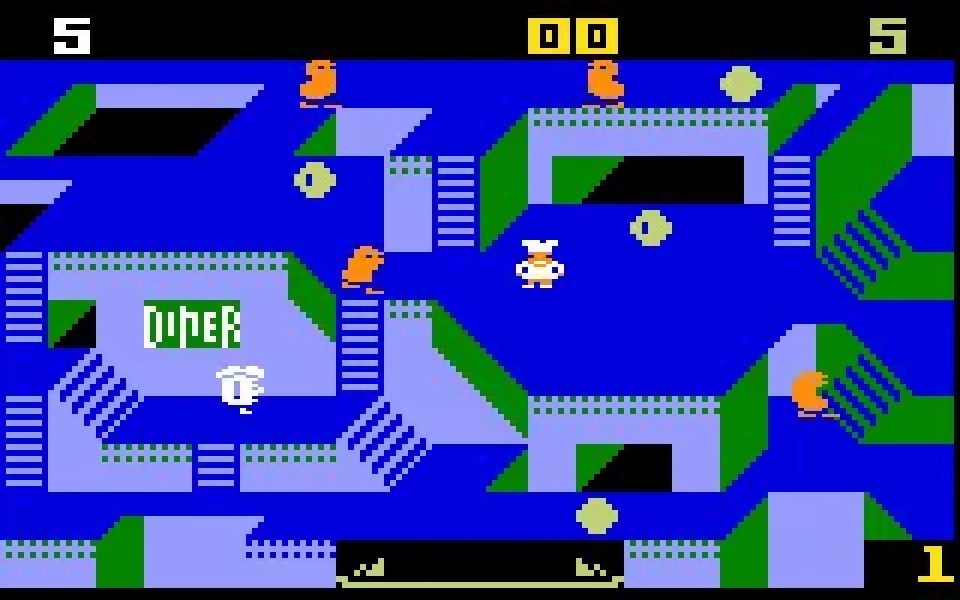
Diner’s isometric burgers, Snafu’s party snakes, White Water!’s river, a He-Man quest and six more: ten real Intellivision releases the best-seller lists forgot.

In 1982 Mattel’s voice module made a console speak — as a starship computer, a bomber crew and a heckling bomb. The economics failed; the idea was twenty years early.
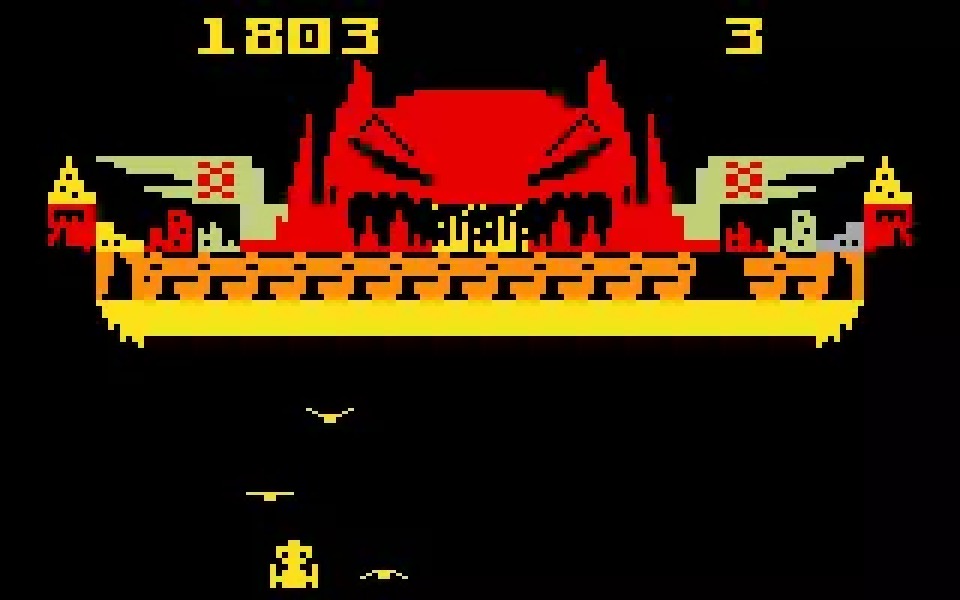
Rob Fulop’s demon waves in richer colour — plus a Pandemonium fortress finale the famous 2600 version never had. The port that completes the legend.

A robot surgeon, a failing patient and never enough power to fix everything: Imagic’s triage simulation is a game about healing that was decades ahead of its industry.
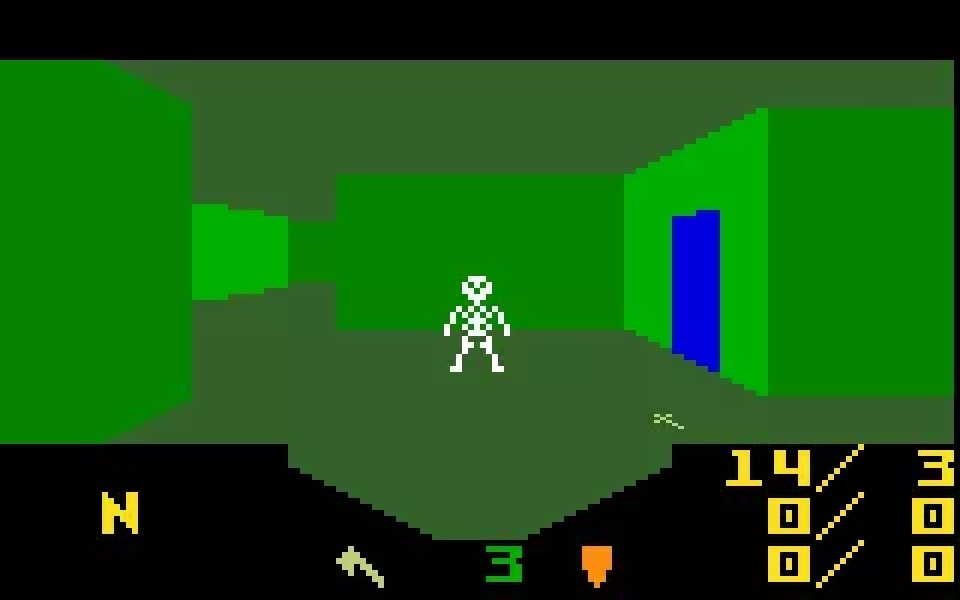
A first-person, multi-level dungeon with degrading weapons, chests, potions and a Minotaur: Tarmin is the counterexample that starts console RPG history in 1983.

An overland journey, caves explored by ear, and a crown on a mountain: Cloudy Mountain founded the console action-adventure four years before the genre had a name.

Procedural levels, unidentified items, diplomacy stats and permadeath stakes in 1987 — on a 1979 console. Tower of Doom is one of the most forward-looking games of the 8-bit era.

Knights, dragons, wizards and a classical score in 1986, on a console its maker had abandoned: Thunder Castle is the Intellivision’s swan song and one of its peaks.