Encyclopaedias, storybooks, language courses and art discs: the CD-i was the set-top box before broadband and the learning tablet before touchscreens. A defence of the format’s real ambition.
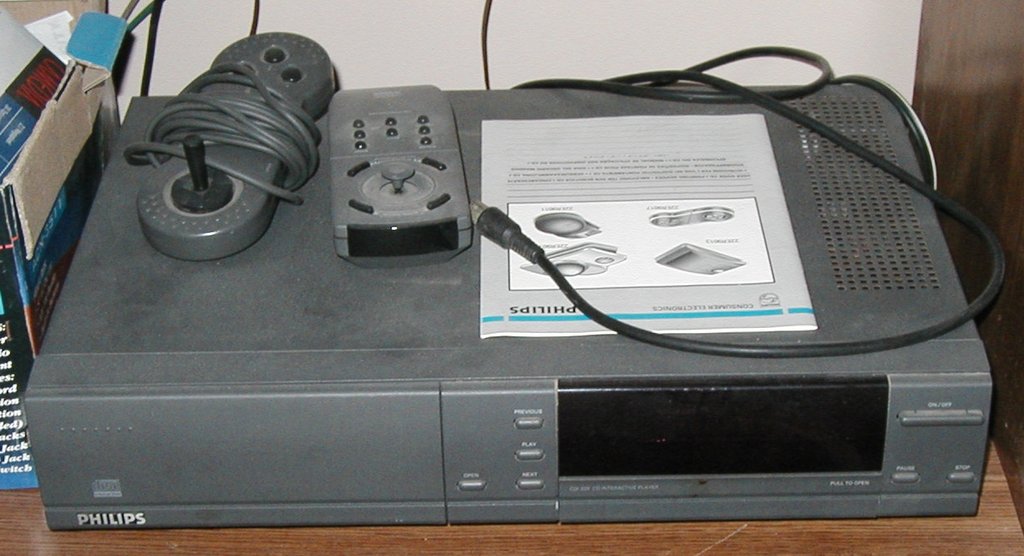
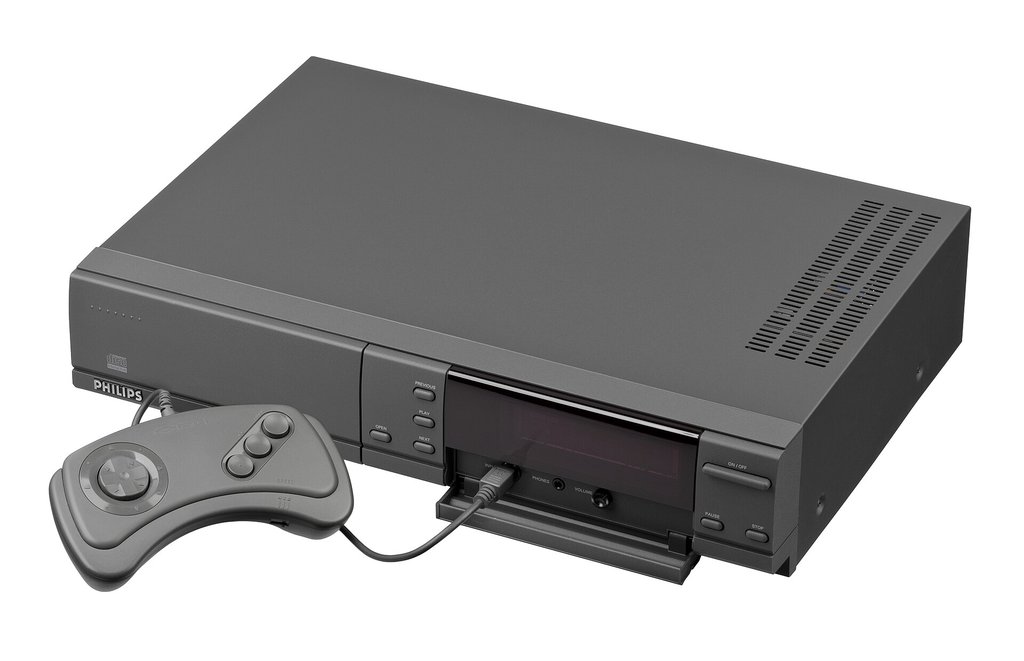
Launch flagships, portable briefcases, kiosk workhorses and games decks: the dozen-plus machines Philips and its partners sold under one logo, and what each one says about the future Philips thought it was selling.
The little MPEG module that split the CD-i library in two: what the Digital Video Cartridge did, which games demanded it, and why Philips’ two-tier gamble still shapes how we collect the format.
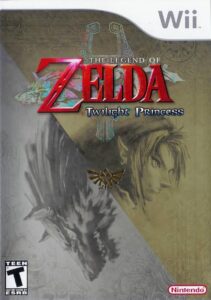
One CES weekend in 1991 humiliated Nintendo, empowered Sony — and left Philips holding a licence to Mario and Zelda with no supervision attached. The full story of the strangest deal in games.
Infogrames’ flagship for the Digital Video Cartridge: anime briefings, full-screen rendered flight and a cursor where a light gun should be. GamePro’s CD-i game of 1995, reappraised.
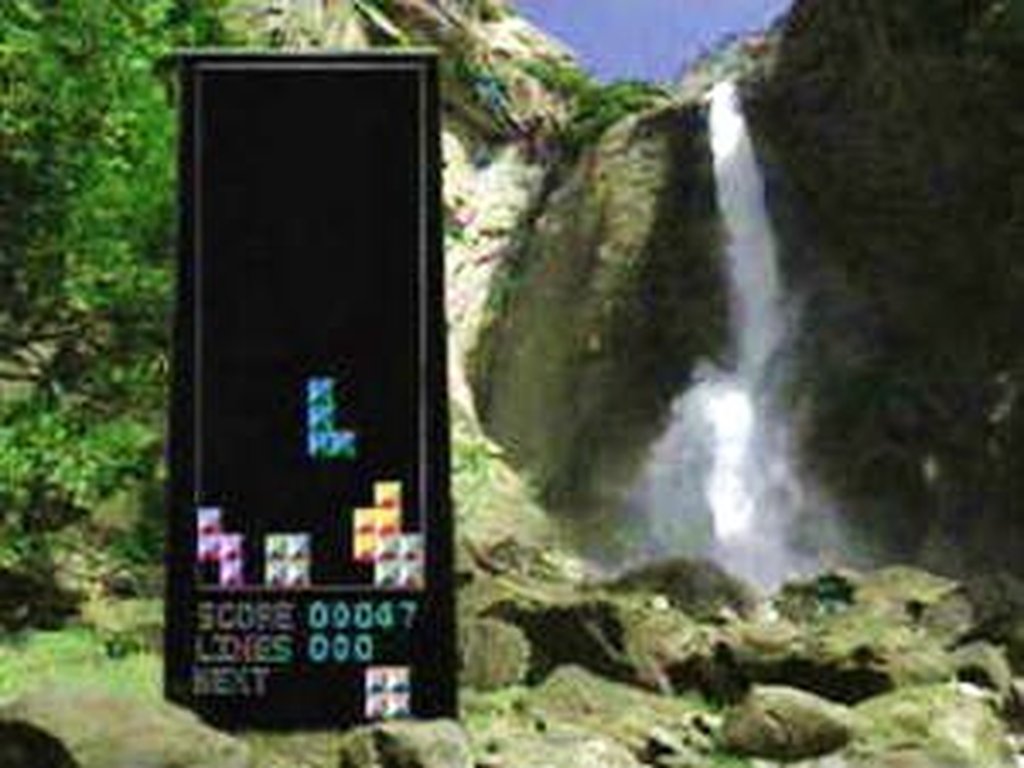
Philips’ Tetris plays its falling blocks against filmed waterfalls to Jim Andron’s serene score — a mediocre conversion wrapped around a soundtrack that later conquered vaporwave.
Infogrames built a stern, statistical tennis simulation — with television phone-in pedigree — for a machine sold to families. One of the deepest sports games of its era, hiding in plain sight.
Gremlin’s Mutt hunts the Mystical Pizza of Plenty through fifty inventive dungeon rooms. The tunnels tax you; the rooms repay you. The CD-i’s best cartoon game by a distance.
Guy Selva’s spaceflight adventure split 1993’s reviewers between dazzled and frustrated. Thirty years on, we settle it: a beautiful, demanding oddity that only the CD-i would have published.
New · Retro Trivia Quiz
Ten questions. One rank. Zero quarters required.
Ten fresh questions every week — take the general-knowledge retro quiz and earn your rank, from Insert Coin to Retro Royalty.